
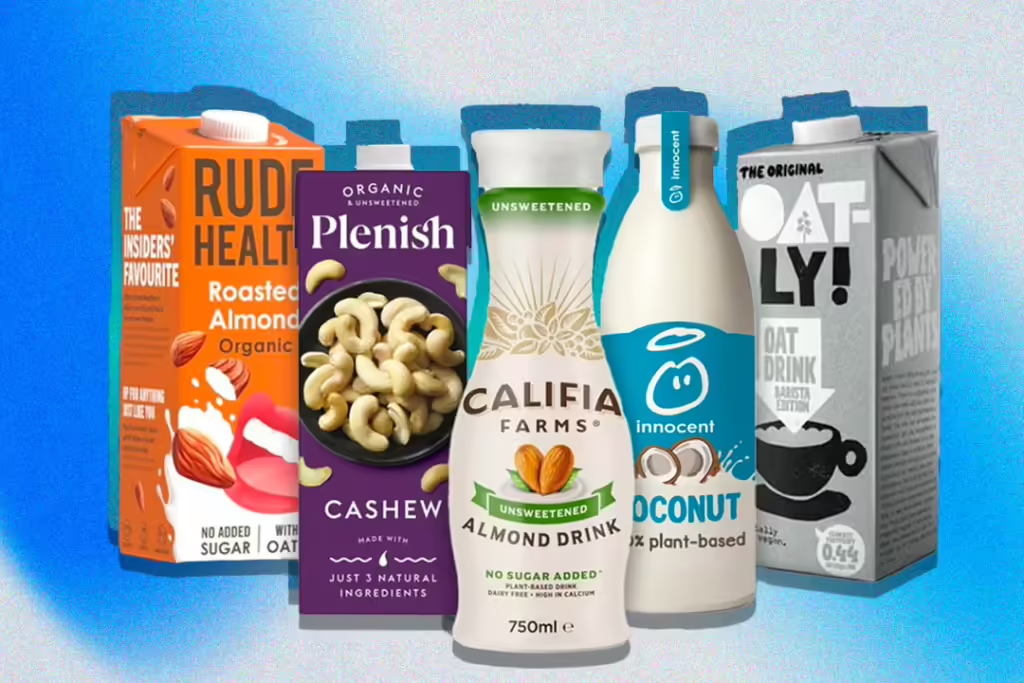
Choosing the right plant-based milk can be overwhelming due to the numerous options available and the varying environmental impact, nutritional content, and potential allergens or irritants of each type. In this article, we’ll explore the different types of plant-based milks, their benefits and drawbacks, and provide a comprehensive guide on how to choose the best one for your needs.
-
Coconut Milk
- Coconut milk is a popular choice for those looking for a creamy and rich plant-based milk alternative.
- However, its production has a significant impact on the environment, particularly in regions such as the Philippines, Indonesia, and India where coconuts are grown.
- Environmental Impact: High
- Nutritional Content: Rich in saturated fat
- Potential Allergens or Irritants: Coconut milk can be high in saturated fat, making it a potential allergen for some individuals
-
Almond Milk
- Almond milk is a low-calorie and low-fat plant-based milk alternative that has become increasingly popular in recent years.
- However, its production requires large amounts of water, which can have negative environmental impacts.
- Environmental Impact: High
- Nutritional Content: Low in calories and fat
- Potential Allergens or Irritants: Almonds are a common allergen
-
Oat Milk
- Oat milk is a plant-based milk alternative made from oats and water.
- It’s gaining popularity due to its creamy texture and lower environmental impact compared to other plant-based milks.
- Environmental Impact: Moderate
- Nutritional Content: Low in calories and fat
- Potential Allergens or Irritants: Oats are a common allergen
-
Soy Milk
- Soy milk is a plant-based milk alternative made from soybeans and water.
- It’s high in protein and is often considered a healthier option compared to other plant-based milks.
- Environmental Impact: Moderate
- Nutritional Content: High in protein
- Potential Allergens or Irritants: Soy is a common allergen
-
Rice Milk
- Rice milk is a plant-based milk alternative made from rice and water.
- It’s hypoallergenic and easy to digest, making it a popular choice for those with sensitive stomachs.
- Environmental Impact: Low
- Nutritional Content: Low in calories and fat
- Potential Allergens or Irritants: Rice is a common allergen
-
Hemp Milk
- Hemp milk is a plant-based milk alternative made from hemp seeds and water.
- It’s high in protein and has a nutty flavor.
- Environmental Impact: Moderate
- Nutritional Content: High in protein
- Potential Allergens or Irritants: Hemp is a common allergen
-
Flax Milk
- Flax milk is a plant-based milk alternative made from flaxseeds and water.
- It’s high in omega-3 fatty acids and has a nutty flavor.
- Environmental Impact: Low
- Nutritional Content: High in omega-3 fatty acids
- Potential Allergens or Irritants: Flax is a common allergen
-
Avena Milk
- Avena milk is a plant-based milk alternative made from oats and water.
- It’s high in fiber and has a creamy texture.
- Environmental Impact: Moderate
- Nutritional Content: High in fiber
- Potential Allergens or Irritants: Oats are a common allergen
When choosing the right plant-based milk, consider factors such as environmental impact, nutritional content, and potential allergens or irritants. Research the different types of plant-based milks available and weigh their benefits and drawbacks before making an informed decision.
Where to Buy Plant-Based Milk
There are several places where you can buy plant-based milk, including:
- Amazon: Offers a wide selection of plant-based milks from various brands.
- Whole Foods Market: Sells a variety of organic and non-organic plant-based milks.
- Health Food Stores: Many health food stores carry a selection of plant-based milks.
Frequently Asked Questions (FAQs)
-
What is the best plant-based milk for me?
- The best plant-based milk for you depends on your dietary needs and preferences. Consider factors such as nutritional content, environmental impact, and potential allergens or irritants.
-
Is all plant-based milk created equal?
-
No, not all plant-based milk is created equal. Some types of plant-based milk have a higher environmental impact than others, while some are more nutritious.
-
Can I make my own plant-based milk at home?
-
Yes, you can make your own plant-based milk at home using ingredients such as oats, rice, almonds, or hemp seeds.
-
What is the best way to store plant-based milk?
-
Store plant-based milk in the refrigerator and consume within a few days of opening.
-
Can I use plant-based milk in baking?
-
Yes, you can use plant-based milk in baking, but some types may not provide the same texture as traditional dairy milk.
By considering these factors and doing your research, you can make an informed decision about which plant-based milk is right for you.


