
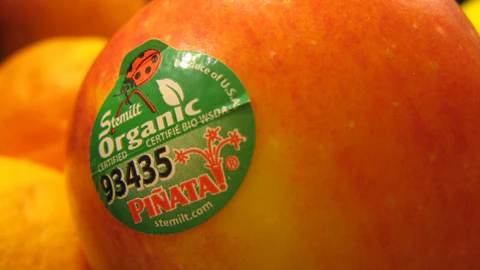
The majority of hypermarkets have designated sections for organic products, but who can guarantee that these products on those shelves are truly organic? It’s in the best interest of producers to label their products as organic, and it’s also in the best interest of supermarkets to sell them. So, who protects the consumer? A coordinated project by the University of Copenhagen, in collaboration with the Italian Foundation Edmund Mach, and the Italian Association for Organic Agriculture (Aiab), aims to analyze production chains and test samples to determine if a product is worthy of the Bios certification.
The AuthenticFood Project: Uncovering the Truth
The Aiab will analyze operations, testing products to ensure they meet high standards throughout the entire production chain. This project involves 11 European countries and 16 partners, including the Aiab. In a statement, the Aiab explains:
“We will examine several organic vegetable products (particularly tomatoes, cereals, and their derivatives) and develop a series of innovative analytical methods for authenticating plant-based food products. The primary goal of this project is to create tools that can strengthen the trustworthiness of bio-products and ensure that consumers, as well as users of raw materials such as mills, feedlots, and pasta manufacturers, are protected.”
The Need for Authentic Food
This project is crucial in addressing the issue of false certification on organic products. The Italian Guardia di Finanza has been actively intercepting shipments of fake biologically certified products. The fraudulent trade of organic food can be a double threat to consumers who pay a premium price for a product that may contain harmful chemicals found in non-organic, cheaper alternatives.
Authentic Food: A Solution for the Future
The AuthenticFood project offers innovative solutions that will complement existing certification procedures but provide an additional layer of protection for consumers and businesses buying raw materials internationally. This project is a step forward in ensuring transparency and accountability throughout the entire organic food production chain.
How Does Organic Certification Work?
Organic certification involves testing products to ensure they meet specific standards, including the absence of genetically modified organisms (GMOs), pesticides, and synthetic fertilizers. The process typically includes inspections of farms, processing facilities, and transportation networks to verify compliance with these regulations.
The Role of Aiab in Organic Food Certification
As a leading organization for organic agriculture in Italy, Aiab plays a crucial role in ensuring the authenticity of organic products. They conduct regular audits and testing to guarantee that certified products meet high standards, from farm to table.
A Collaborative Approach to Sustainable Agriculture
Organic farming is built on a collaborative approach between farmers, producers, processors, and consumers. By working together, we can create a more sustainable food system that prioritizes environmental stewardship and social responsibility.
What Does the Future Hold for Organic Food?
As the demand for organic products continues to grow, so does the need for innovative solutions that address the complexities of certification, production, and distribution. The AuthenticFood project is an important step forward in this direction.
Organic Food vs. Conventional Farming: What’s the Difference?
While conventional farming often relies on synthetic fertilizers and pesticides, organic farming adopts natural methods to maintain soil health, control pests, and promote biodiversity.
Benefits of Organic Food
Eating organic food can have numerous benefits for human health, the environment, and local communities. Some of the key advantages include:
- Lower exposure to pesticide residues and other toxic chemicals
- Higher intake of essential nutrients and antioxidants
- Support for sustainable agriculture practices that prioritize soil health, biodiversity, and ecosystem services
- Economic benefits for small-scale farmers and rural communities
How Can I Choose Organic Products?
Choosing organic products can be challenging due to the numerous certifications and labels available. Here are some tips for selecting high-quality, authentic organic products:
- Look for third-party certifications like Bios, EU Organic, or USDA Organic.
- Check the product label for ingredients and avoid products containing GMOs, artificial preservatives, or synthetic fertilizers.
Frequently Asked Questions
- What is the AuthenticFood project?
The AuthenticFood project aims to analyze production chains and test samples to determine if a product is worthy of the Bios certification. - How does organic food certification work?
Organic certification involves testing products to ensure they meet specific standards, including the absence of GMOs, pesticides, and synthetic fertilizers. - What is the role of Aiab in organic food certification?
Aiab plays a crucial role in ensuring the authenticity of organic products by conducting regular audits and testing to guarantee compliance with regulations. - Can I trust all organic products on the market?
No, not all organic products are created equal. Look for third-party certifications like Bios or EU Organic to ensure you’re getting an authentic product. - How can I make informed choices about my diet?
To choose high-quality, authentic organic products, read labels carefully and look for certifications like Bios or EU Organic. - What is the difference between organic and conventional farming?
Organic farming uses natural methods to maintain soil health, control pests, and promote biodiversity, while conventional farming relies on synthetic fertilizers and pesticides. - Can I make a positive impact by choosing organic products?
Yes, by choosing organic products, you can support sustainable agriculture practices that prioritize environmental stewardship and social responsibility.
Common Organic Certifications
- Bios: The European Union’s (EU) organic certification scheme, which ensures compliance with EU organic standards.
- EU Organic: A voluntary label used by some producers to indicate their commitment to organic farming practices.
- USDA Organic: The United States Department of Agriculture’s (USDA) national standard for organic products.
- Non-GMO Project Verified: A third-party certification that ensures the absence of genetically modified organisms (GMOs) in food products.
Certification Scams: Be Aware
While many certifications are legitimate, there are some scams to be aware of:
- Look out for overly complex labeling or confusing terminology.
- Check if the certification body is recognized by reputable organizations and governments.
- Research the producer’s commitment to sustainable agriculture practices and environmental stewardship.
By understanding the complexities of organic food certification and production, we can make informed choices about our diets and contribute to a more sustainable food system for generations to come.


