
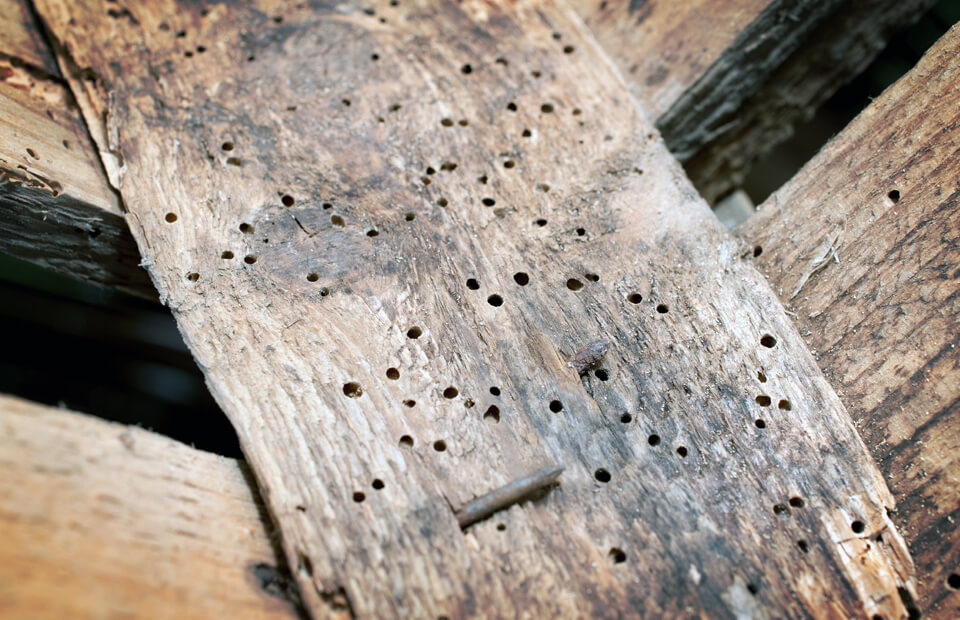
As a homeowner, there’s nothing more frustrating than discovering that your beloved furniture is infested with woodworms. These pesky insects can wreak havoc on your wooden pieces, causing irreparable damage and ruining their aesthetic appeal. In this comprehensive guide, we’ll delve into the world of woodworms, explore the conditions that favour their presence, and provide you with effective methods to eliminate them using natural remedies and specialized products.
Understanding Woodworms
Woodworms are insects that feed on wood, specifically the larvae of certain beetle species. These larvae burrow into the wood, creating tunnels and galleries that can lead to serious structural damage if left unchecked. The adults then emerge from these tunnels, leaving behind characteristic holes and discoloration.
The Life Cycle of Woodworms
To understand how woodworms infest your furniture, it’s essential to grasp their life cycle:
- Egg stage: Female woodworms lay eggs in the wood, usually in a protected area such as a hole or tunnel.
- Larval stage: The eggs hatch into larvae, which feed on the surrounding wood and burrow deeper into the material.
- Pupal stage: As the larvae mature, they transform into pupae, during which time they undergo metamorphosis.
- Adult stage: The adult beetles emerge from the pupal stage, ready to start the cycle anew.
The Perfect Storm: Conditions Favouring Woodworm Infestation
So, what conditions create an ideal environment for woodworms to thrive? Here are the key factors to consider:
- High humidity: Woodworms need a humid environment to survive. When the air is filled with moisture, it’s easier for them to breathe and burrow into wood.
- Optimal temperature: The ideal temperature range for woodworm larvae is between 22°C and 23°C (72°F-73°F). While some species can tolerate lower temperatures, this range provides optimal conditions for growth.
- Poor ventilation: Inadequate airflow in your home or furniture storage area can contribute to high humidity levels, creating an ideal environment for woodworms.
The Elimination Process
Before we dive into the remedies, it’s essential to identify whether your infestation is active. To do so:
- Check for holes with a dark-colored dust or debris around them
- Look for signs of recent activity, such as new holes or tunnels
If you’ve confirmed an active infestation, follow these steps:
- Clean the affected area: Thoroughly clean the wood surface to remove any dirt, dust, or debris that may be harboring the larvae.
- Apply a woodworm treatment: Use a specialized product containing insecticides, such as borate-based treatments or fumigants. These products can help eliminate the larvae and prevent further infestation.
- Seal the area: Once treated, seal the affected area with a clear varnish or wax to prevent re-infestation.
Natural Remedies: Effective Alternatives
While chemical treatments are often effective, natural remedies can be just as potent in eliminating woodworms. Here are some tried-and-true methods:
- Cedar oil: Cedar essential oil has natural insecticidal properties that can repel and kill woodworms.
- Vodka and lavender oil: Mix equal parts vodka and lavender oil to create a potent blend that can help eliminate woodworms.
- Diatomaceous earth: This powder is made from the fossilized remains of tiny aquatic organisms. It dehydrates the larvae, causing them to die.
Specialized Products: Chemical Treatments
While natural remedies have their benefits, specialized products containing insecticides are often necessary for effective elimination:
- Borate-based treatments: Borate products can help prevent woodworm infestations and kill existing larvae.
- Fumigants: Fumigants can be used to treat entire rooms or areas, eliminating the risk of re-infestation.
Prevention is Key
To avoid future infestations, consider these preventative measures:
- Treat wooden furniture with a wood preservative
- Use felt-wrapped drawer liners to protect wooden components from moisture
- Regularly inspect for signs of woodworm activity
By understanding the conditions that favour woodworm infestation and implementing effective methods to eliminate them, you can protect your valuable furniture from these pesky insects.


