
As the winter season comes to an end, it’s time to prune your plants. Pruning is a crucial process that eliminates excess parts of the plant, allowing new growth, flowers, and fruits to flourish. However, it requires skill, patience, and some basic knowledge of botany.
In this article, we’ll delve into the world of pruning, exploring its importance, types, techniques, and benefits for your plants. We’ll also cover the two-day workshop “È tempo di potare” (It’s time to prune) offered by Cascina Cuccagna, where expert guide Professor Antonio Volontà from the Institute Tecnico Agrario will share his knowledge on ornamental and fruit-bearing plant pruning.
Why Prune?
Before we dive into the nitty-gritty of pruning, let’s talk about why it’s essential. Pruning eliminates dead or damaged branches, promotes healthy growth, and increases fruit production. It also helps to maintain the overall shape and appearance of your plants. Without regular pruning, your garden can quickly become overgrown and unkempt.
Pruning also plays a crucial role in:
- Reducing stress: Pruning can help reduce stress on plants by removing damaged or diseased branches.
- Preventing disease: Regular pruning can help prevent the spread of diseases by removing infected branches.
- Promoting air circulation: Pruning can improve air circulation around plants, reducing the risk of fungal infections.
- Enhancing aesthetics: Pruning can enhance the overall appearance of your garden by shaping and maintaining plant structures.
Ornamental Plant Pruning (February 23rd)
On February 23rd, our workshop will focus on ornamental plants. Professor Volontà will guide you through:
- The Function of Pruning: Understanding the purpose of pruning and how it benefits your plants
- Classifying and Typing Pruning Methods: Learning about different types of pruning techniques and when to use them
- Immediate Effects of Pruning: How pruning affects plant growth and development
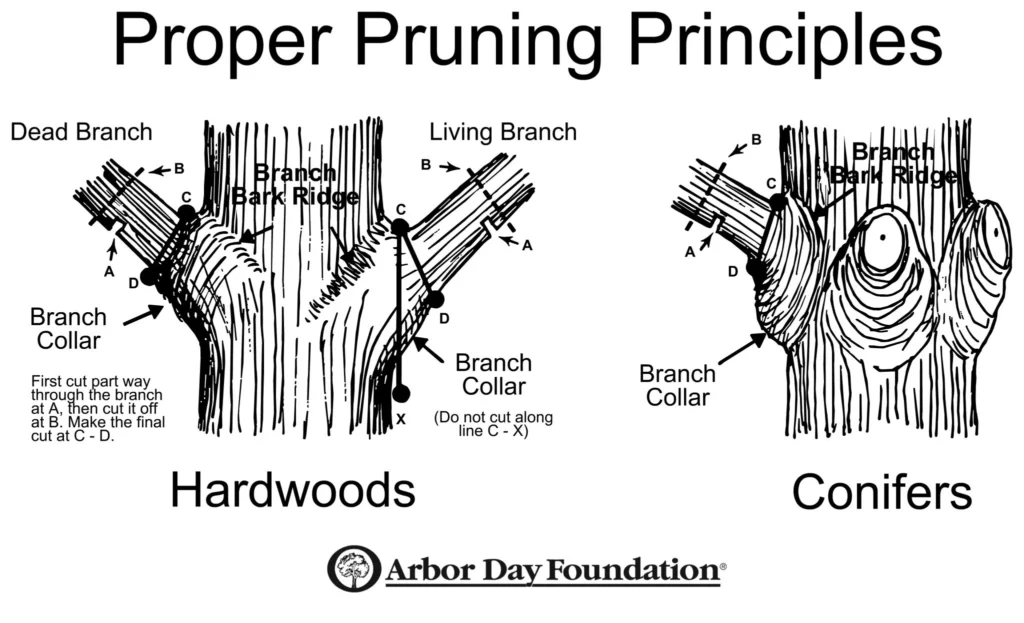
- Correct Execution Techniques: Mastering the art of pruning, including proper cutting techniques and tool usage
- Reactions from Plants: Understanding how plants respond to pruning
- Pruning Ornamental Plants with Tall Stems: Tips for pruning tall-stemmed ornamental plants like trees and shrubs
Fruit-Bearing Plant Pruning (March 2nd)
On March 2nd, our workshop will shift its focus to fruit-bearing plants. Professor Volontà will cover:
- The Scopes of Pruning in Fruit-Bearing Plants: Understanding the importance of pruning in fruit production
- Correcting Techniques and Types of Tagling: Mastering various pruning techniques for fruit-bearing plants
- Reactions from Plants: Understanding how plants respond to pruning
- Recognizing Rami da Frutto (Fruit Stems): Identifying the correct branches for pruning
- Pruning Production in Pomaces (Apples and Pears): Techniques for promoting fruit production in apple and pear trees
- Pruning Citrus Trees: Tips for pruning citrus trees, including dwarf varieties
- Actinidia Pruning: Mastering the art of pruning Actinidia vines
Registration and Fees
A limited number of spots are available for each workshop. The registration fee is €10 per person (€8 for Cascina Cuccagna’s “Sostenitore” membership holders). For more information or to reserve your spot, please email [email protected].
Conclusion
Pruning is a powerful tool for reviving and maintaining your garden. By mastering the art of pruning, you’ll be able to promote healthy growth, increase fruit production, and create beautiful gardens that thrive year-round.
Frequently Asked Questions
Q: What are the workshop dates?
A: The workshops will take place on February 23rd and March 2nd.
Q: Who is our expert guide?
A: Professor Antonio Volontà from the Institute Tecnico Agrario will lead the workshops.
Q: What topics will be covered in the workshops?
A: The workshops will cover both ornamental and fruit-bearing plants, including pruning techniques, plant reactions, and identifying fruit-stem branches.
Q: Can I attend both workshops?
A: Unfortunately, due to limited spots available, participants can only choose one workshop.
Q: What is the registration fee?
A: The registration fee is €10 per person (€8 for Cascina Cuccagna’s “Sostenitore” membership holders).
Q: How do I register?
A: Please email [email protected] to reserve your spot.
Q: Are the workshops suitable for beginners?
A: Yes, the workshops are designed for both beginners and experienced gardeners. Professor Volontà will provide clear explanations and demonstrations.
Q: Can I ask questions during the workshop?
A: Yes, participants can ask questions at any time during the workshop.
Q: Will there be any materials or tools provided?
A: Yes, materials and tools will be provided for all workshops.
Q: Are the workshops wheelchair accessible?
A: Yes, the workshops will take place in a wheelchair-accessible location.


