
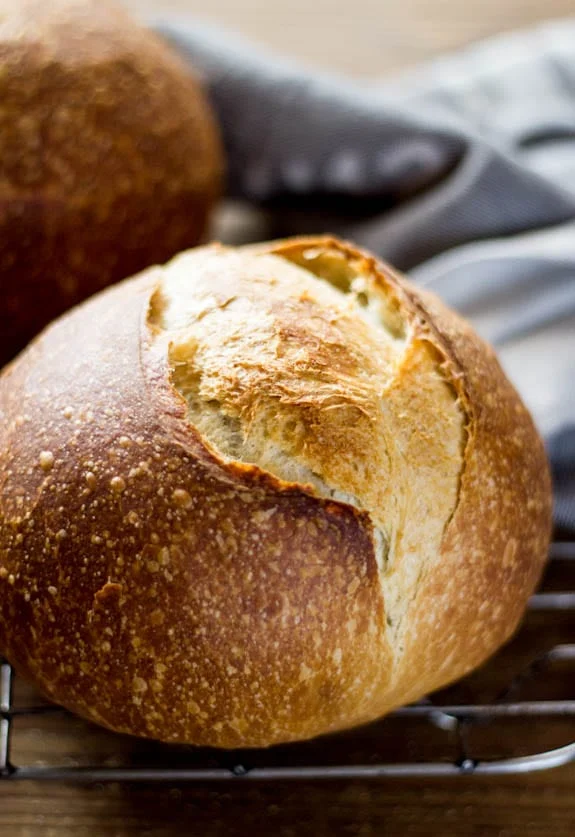
Are you ready to unlock the secrets of traditional Italian bread-making? Look no further than pasta madre, also known as natural yeast or sourdough starter. This amazing ingredient is used to make delicious bread, pizza, and other baked goods that require fermentation. In this article, we’ll show you how to prepare pasta madre at home with just two simple ingredients: flour and water.
What is Pasta Mother?
Pasta mother is a natural yeast culture that’s been used for centuries to leaven bread, pizza, and other baked goods. It’s made by allowing a mixture of flour and water to ferment, creating a unique ecosystem that produces lactic acid and carbon dioxide gas. This process gives pasta madre its characteristic tangy flavor and airy texture.
Pasta mother is more than just a natural yeast culture; it’s a living organism that requires care and maintenance to thrive. It’s not uncommon for homemade pasta mothers to develop their own personalities, with some being more active and others being more laid-back. With the right care and attention, your pasta mother will reward you with delicious bread, pizza, and other baked goods that are unmatched by commercial yeast.
Preparing Pasta Mother: A Step-by-Step Guide
Making pasta madre at home is easier than you think! All you need are two ingredients:
- Type 0 Flour: This type of flour is essential for creating a healthy pasta mother. Look for biodegradable, unbleached flour that’s free from additives.
- Water: Use room temperature water to create the perfect environment for fermentation.
Step 1: Mix and Knead
Combine 200g of type 0 flour with 100ml of water in a bowl. Mix until you get a smooth, consistent dough. Knead the mixture by hand for about 10 minutes, until it becomes elastic and slightly sticky. This initial kneading process is crucial in developing the gluten structure that will help your pasta mother to ferment properly.
Step 2: First Fermentation (48 hours)
Cover the bowl with plastic wrap or a damp cloth and let the mixture ferment at room temperature (18°C-24°C) for 48 hours. You’ll start to notice a sour smell, similar to yogurt, and tiny bubbles will appear on the surface. This is the beginning of your pasta mother’s fermentation process.
Step 3: Refreshment (First Rinse)
After 48 hours, discard half of the mixture (the “old” pasta mother). Add another 200g of type 0 flour, 100ml of water, and mix until you get a smooth dough. Cover the bowl again and let it ferment for another 24 hours.
Repeat the Process
For the next two weeks, repeat the fermentation process every day, using the same ratio of flour to water (1:1). This will help create a strong, active pasta mother that’s ready to use in bread-making recipes. Be patient and don’t get discouraged if your pasta mother seems sluggish or inactive at times; this is just part of its natural development.
Tips and Tricks
- Use a glass or ceramic container for fermentation, as metal can inhibit yeast growth.
- Keep your pasta mother at room temperature (18°C-24°C) during fermentation. Avoid placing it near direct sunlight, which can cause uneven heating and affect fermentation.
- Don’t overmix the dough, as this can lead to a dense, unpleasant texture.
- Store your pasta mother in an airtight container and feed it once a day to maintain its health and activity.
Pasta Mother: Storage and Maintenance
Once you’ve created your pasta mother, it’s time to store it. Place it in an airtight container and keep it in the refrigerator at 4°C (39°F). Before using, give it a good rinse with water and let it come to room temperature. You can also dry your pasta mother for up to six months if you plan to use it during a cold winter.
To conserve your pasta mother, simply store it in the refrigerator every week and feed it once a day. If you won’t be using it for an extended period, consider freezing it or drying it for future use.
Common Issues with Pasta Mother
Don’t worry; common issues are normal when working with pasta mother! Here are some tips to help you troubleshoot:
- Off smell: A strong off smell can indicate that your pasta mother is past its prime. Try feeding it again and adjusting the storage conditions.
- Slow fermentation: If your pasta mother seems sluggish, try increasing the temperature or reducing the amount of flour in the mixture.
- Inactivity: Don’t worry if your pasta mother seems inactive at times; just give it a good rinse with water and let it come to room temperature.
Conclusion
Creating pasta madre at home is a fun and rewarding process that’s perfect for bread enthusiasts. With just two simple ingredients and some patience, you can unlock the secrets of traditional Italian baking. By following these steps and tips, you’ll be well on your way to creating your own delicious homemade pasta mother.
FAQs:
Q: What type of flour is best for making pasta madre?
A: Type 0 flour is essential for creating a healthy pasta mother. Look for biodegradable, unbleached flour that’s free from additives.
Q: How often should I feed my pasta mother?
A: Feed your pasta mother once a day to maintain its health and activity.
Q: Can I use store-bought yeast instead of pasta madre?
A: No, store-bought yeast doesn’t provide the same flavor and texture as homemade pasta madre.
Q: How long does it take to create pasta madre at home?
A: It takes about two weeks to create a healthy, active pasta mother using this method.
Q: Can I use my pasta mother for pizza dough?
A: Yes, but be sure to adjust the recipe according to your pasta mother’s strength and activity.
Q: How do I store my pasta mother for long-term use?
A: Store your pasta mother in an airtight container in the refrigerator or freeze it for future use.
Q: Is making pasta madre at home worth the effort?
A: Absolutely! Homemade pasta madre provides a unique flavor and texture that’s hard to replicate with commercial yeast.


