
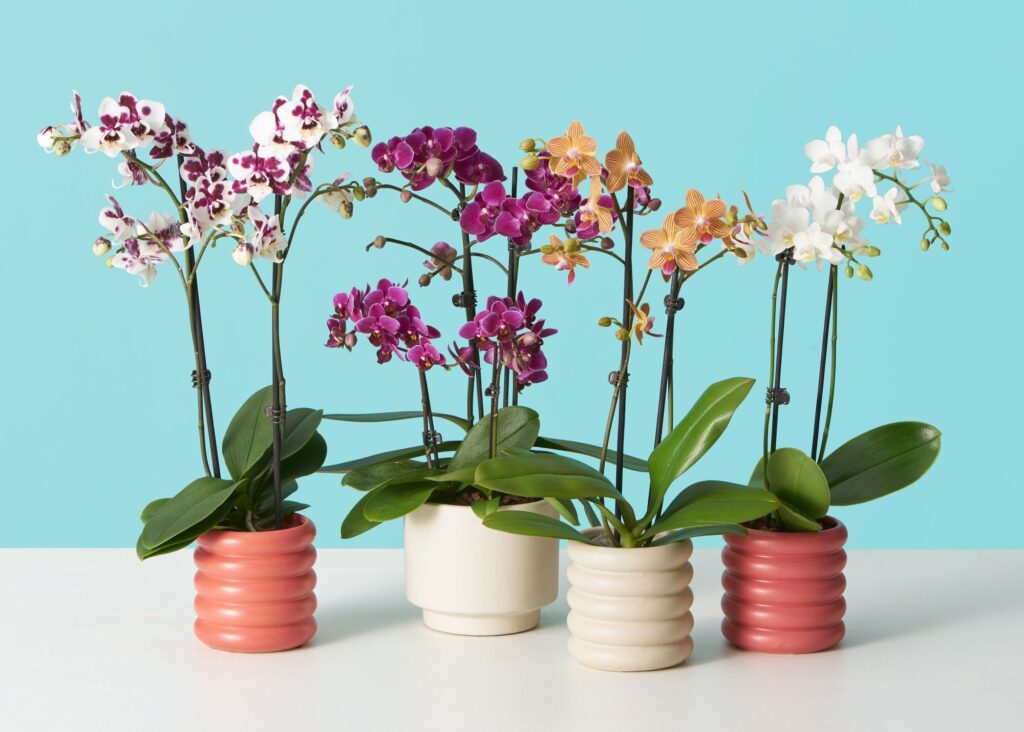
Are you tired of watching your beautiful orchid sit idle, refusing to bloom? Don’t worry, we’ve got you covered! This comprehensive guide will walk you through the steps to help your orchid regain its vibrancy and produce stunning flowers.
Understanding Why Your Orchid Isn’t Blooming
Before we dive into the solutions, it’s essential to understand why your orchid may not be blooming. Some common reasons include:
- Poor care during the summer months
- Over-exposure to sunlight and heat
- Inadequate watering or fertilization
- Pests or diseases affecting the plant
Choosing the Right Orchid Species
With over 25,000 species of orchids, selecting the right one for your needs can be daunting. However, some species are more beginner-friendly than others. Here are five popular species that thrive in domestic environments:
- Orchidea Cymbidium: Known for their elegant white blooms and dark green leaves.
- Orchidea Phalaenopsis: A popular choice for beginners, they come in a variety of colors and patterns.
- Orchidea Cattleya: These orchids are known for their vibrant flowers and require moderate to high humidity.
- Orchidea Paphiopedilum: With over 80 species, these orchids are popular for their unique leaf shapes and colors.
- Orchidea Dendrobium: A versatile species that comes in a range of colors and can thrive in different environments.
Getting Your Orchid Ready to Bloom
To induce your orchid to bloom, focus on the following factors:
- Lighting: Provide bright, indirect light during the winter months.
- Temperature: Maintain a temperature between 65°F (18°C) and 75°F (24°C).
- Humidity: Keep the humidity level between 40% and 70%.
- Watering: Water your orchid when the potting mix is dry to the touch, avoiding overwatering.
- Fertilization: Use a balanced fertilizer specifically designed for orchids.
Solving Common Problems
Address common issues that might be affecting your orchid’s blooming:
- Lack of light: Move your orchid to a brighter location or supplement with grow lights.
- Overwatering: Reduce watering frequency and ensure proper drainage.
- Pests: Inspect your plant regularly and treat any infestations promptly.
Tips for a Successful Blooming Season
To increase the chances of blooming, follow these expert tips:
- Reduce watering: Gradually decrease watering frequency to encourage root growth.
- Increase fertilization: Use a balanced fertilizer specifically designed for orchids during the growing season (spring and summer).
- Maintain humidity: Use a humidifier or mist your orchid regularly to maintain optimal humidity levels.
Common Mistakes to Avoid
Don’t make these common mistakes that can prevent your orchid from blooming:
- Over-exposure to sunlight: Move your orchid to a shaded location during the summer months.
- Under-watering: Water your orchid when the potting mix is dry to the touch.
- Inadequate fertilization: Use a balanced fertilizer specifically designed for orchids.
Repotting and Potting Mix
Orchids require a well-draining potting mix to prevent waterlogged roots. Here are some tips:
- Use a potting mix specifically designed for orchids.
- Avoid using regular potting soil, as it can retain too much water and cause root rot.
- Repot your orchid every 2-3 years, or when the potting mix breaks down.
Pruning and Grooming
Orchids require regular pruning to maintain their shape and encourage blooming. Here are some tips:
- Prune old flower spikes: Remove spent flowers to direct the plant’s energy towards new growth.
- Trim back overgrown stems: Prune back stems that have become too long or leggy.
- Groom your orchid regularly: Use a soft-bristled brush to gently remove dead leaves and debris.
Pests and Diseases
Orchids are susceptible to pests and diseases, which can be devastating if left untreated. Here are some common issues:
- Mealybugs: Small, white insects that feed on plant sap.
- Aphids: Small, soft-bodied insects that feed on plant sap.
- Root rot: A fungal infection that causes roots to decay.
- Leaf spot: A fungal infection that causes spots on leaves.
Propagation and Division
Orchids can be propagated through division or seed. Here are some tips:
- Division: Divide the plant in the spring, when new growth is emerging.
- Seed propagation: Plant seeds in a well-draining potting mix, and keep them moist until germination.
Conclusion
Blossoming the Orchid is a comprehensive guide to help you revive your unfertilized orchid and encourage it to produce stunning flowers. By understanding why your orchid may not be blooming, choosing the right species, and following expert tips, you’ll be well on your way to enjoying the beauty of these incredible plants.
Frequently Asked Questions (FAQs)
- Why doesn’t my orchid bloom?
- Common reasons include poor care during the summer months, over-exposure to sunlight and heat, inadequate watering or fertilization.
- What is the best fertilizer for orchids?
- Use a balanced fertilizer specifically designed for orchids, containing azoto, fosforo, potassio, e ferro.
- How often should I water my orchid?
- Water your orchid when the potting mix is dry to the touch, avoiding overwatering.
- What temperature do orchids prefer?
- Maintain a temperature between 65°F (18°C) and 75°F (24°C).
- Can I grow orchids outdoors?
- Yes, but choose species that are less demanding and provide shade or partial shade during the summer months.
- How long does it take for an orchid to bloom?
- Blooming time varies depending on the species, but generally takes between 3-12 months after fertilization.
- Can I propagate my orchid?
- Yes, use division or seed propagation methods to multiply your orchid.
- What is the best way to care for an orchid?
- Provide bright, indirect light, moderate temperatures, and controlled humidity levels, with proper watering and fertilization.
Additional Tips and Resources
- Join online orchid communities: Connect with other orchid enthusiasts to share knowledge and advice.
- Attend orchid workshops: Learn from experts and network with other growers.
- Consult with a local nursery: Get personalized advice on caring for your specific species of orchid.


