
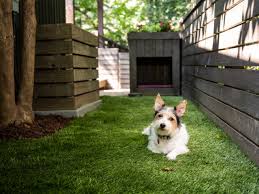
As any dog owner knows, providing a safe and secure space for your furry friend is essential. One way to achieve this is by building a dog enclosure, also known as a dog run or dog yard. But where do you start? In this article, we’ll guide you through the process of building a dog enclosure, from planning to completion.
Understanding the Basics
Before you begin, it’s essential to understand the basics of building a dog enclosure. According to law, the minimum perimeter for a dog enclosure is 8 square meters (85 square feet). Additionally, dogs cannot be tethered to a chain within the enclosure. It’s also crucial to consider your local regulations and consult with your veterinarian or animal control agency to ensure that your dog enclosure meets all necessary requirements.
Choosing the Right Location
When selecting a location for your dog enclosure, it’s vital to consider several factors:
- Sunlight: Dogs need adequate sunlight to stay healthy, so choose a spot that receives sufficient sunlight.
- Shade: Dogs can suffer from heatstroke if exposed to direct sunlight for extended periods. Consider installing shade structures or providing canopy cover.
- Drainage: The area should have proper drainage to prevent water accumulation and potential health risks for your dog.
- Wind protection: Wind can cause discomfort and stress for dogs, so consider installing windbreaks or choosing a sheltered location.
Gathering Materials and Tools
Once you have a clear understanding of what’s required, it’s time to gather the necessary materials and tools. Here’s what you’ll need:
- A metal netting or fencing material that can be easily closed around the enclosure
- 8 wooden posts (or metal ones)
- Cement
- A gate: which can be replaced with an iron frame that will be covered with netting
- Cernieres for the gate
- Iron wire and a lock
The netting material should be easy to close and secure, and free of any protrusions that could harm your dog.
Designing Your Dog Enclosure
When designing your dog enclosure, consider the following:
- Size: The minimum size is 8 square meters (85 square feet), but larger enclosures are always better.
- Shape: Consider a rectangular or square shape for ease of construction and maintenance.
- Elevation: If you have sloping land, consider building your enclosure on a slight incline to prevent water accumulation.
Digging the Foundations
With all the necessary materials in hand, it’s time to start digging. Create four holes for each corner post, about 15-20 centimeters (6-8 inches) deep. This will provide a solid foundation for your enclosure.
Positioning the Posts
Place the posts into their respective holes and secure them with cement. Make sure they are evenly spaced and stable. Use a level to ensure that your posts are straight and true.
Netting Installation
Using the metal wire, install the netting around each post, making sure to stretch it tight enough to prevent any sagging or damage. Use knots on the outside of the enclosure to ensure your dog can’t escape.
Securing the Netting
Once you’ve installed the netting, use the iron wire to secure it to the posts, making sure the knots are on the outside of the enclosure. This will provide additional security for your dog.
Adding a Gate and Door
Mount the gate onto the chosen post as the door, and attach the hinges. Install a lock and secure the cernieres. Make sure everything is sturdy and secure.
Final Touches
Now that you have your enclosure built, it’s time to add some final touches. You can position dog beds, food bowls, water bowls, toys, and other comfort items to make your dog feel at home. Just remember, a dog enclosure should not be a permanent fixture – allow your dog to roam freely when possible.
Maintenance
To ensure that your dog enclosure remains safe and secure, regular maintenance is essential:
- Inspect the netting: Regularly inspect the netting for any damage or sagging, and make repairs as needed.
- Clean the enclosure: Clean the enclosure regularly to prevent dirt and debris from accumulating.
- Check the gate: Regularly check the gate to ensure that it remains secure and functional.
Q&A
Here are some frequently asked questions about building a dog enclosure:
- What is the minimum size of a dog enclosure?
A minimum of 8 square meters (85 square feet) is required by law. - Can I use any type of fencing material?
No, fencing materials that could harm your dog or pose a risk should be avoided. - How do I secure my gate and door?
Use locks and cernieres to ensure the enclosure remains secure at all times. - Can I leave my dog in the enclosure for an extended period?
No – dogs need regular exercise and interaction. Make sure to give your dog plenty of freedom outside of their enclosure. - What type of flooring should I use inside the enclosure?
Choose materials that are comfortable, easy to clean, and safe for your dog. - Can I add windows or doors to my enclosure?
Yes, but make sure they are secure and won’t allow your dog to escape.
Conclusion
Building a dog enclosure can seem daunting, but with careful planning and execution, it can be a rewarding experience. By following this step-by-step guide, you’ll have a safe and secure space for your furry friend to play, rest, and enjoy the great outdoors.


