
Introduction
The Fell Pony is a rare and versatile breed of horse that originated in the English countryside. With its unique characteristics and rich history, this pony has proven itself to be an excellent working animal and a popular choice for riders. The Fell Pony’s versatility, combined with its gentle nature, makes it an ideal breed for various activities such as transportation, therapeutic riding programs, and tourism.
History
The Fell Pony’s name comes from the mountains of Cumberland and Westmorland, where it was first bred. This breed is closely related to the Galloway Pony, which is now extinct. The Fell Pony was used for various tasks such as agriculture, transportation, and hunting, making it a valuable asset in rural communities.
The Early Days of the Fell Pony
The history of the Fell Pony dates back to prehistoric times, when ponies were able to roam freely across the territory that would eventually become Cumberland and Westmorland. The Romans introduced stallions from Frisia, which were crossed with local breeds, resulting in a taller pony. Over time, the pony’s height increased to over 1.3 meters.
The Influence of Other Breeds
One of the key factors that contributed to the development of the Fell Pony was the introduction of stallions from Frisia. These stallions brought strength and speed to the breed, which helped to create a versatile and hardworking horse. The Galloway Pony also played an important role in shaping the characteristics of the Fell Pony. The Galloway’s rugged temperament and secure footing made it an excellent addition to the breed.
Characteristics
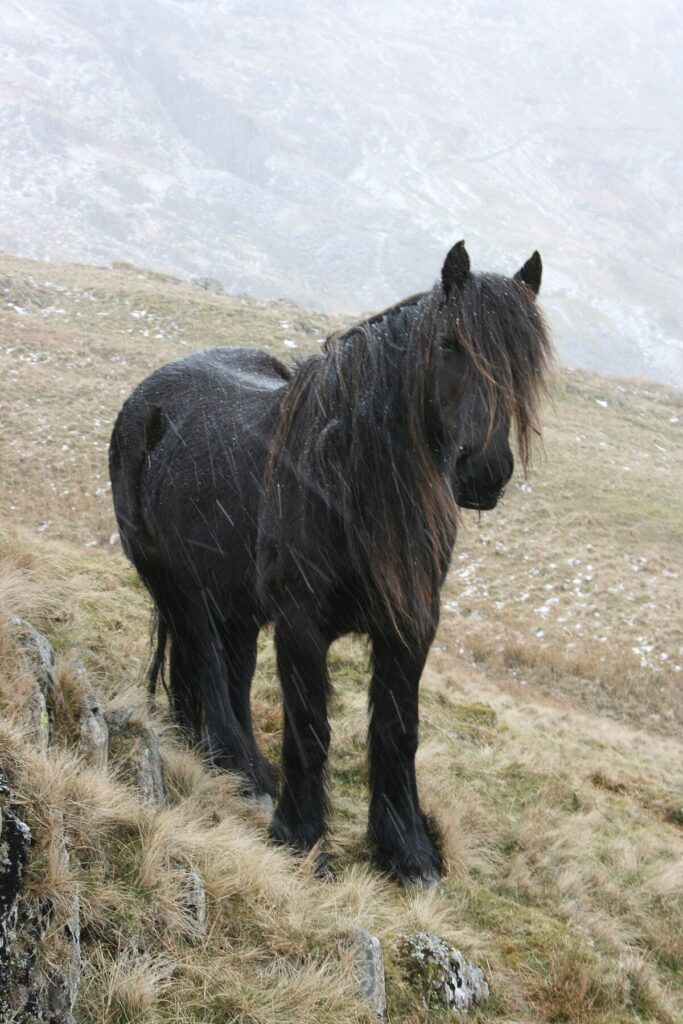
The Fell Pony is known for its calm and gentle nature, making it an excellent working animal. Its temperament is characterized by being tranquil, docile, and determined, making it suitable for riding and other activities. The breed is also recognized for its balanced body structure, which includes a compact and well-proportioned head, a broad chest, and a strong back.
Height Range
A Fell Pony’s height can range from 132-142 cm, with an average height of around 135 cm. The pony’s height has been influenced by the introduction of stallions from Frisia and the Galloway Pony’s sturdy build.
Pony Characteristics
The pony is known for its distinctive characteristics, including a broad head, strong jaw, and straight legs. Its coat can be a variety of colors, including bay, chestnut, brown, gray, roan, and black. The Fell Pony’s mane and tail are typically long and flowing, with a silky texture.
Cavallo Characteristics
The breed is also characterized by its unique hoof shape, which is wide and flat. This shape provides excellent traction on uneven terrain, making the Fell Pony an ideal choice for transportation on rough roads.
Attitudes and Employment
The Fell Pony’s secure gait makes it a valuable asset for tasks that require transportation on rough terrain. The breed is also used in therapeutic riding programs, where it helps individuals with physical or mental disabilities to ride horses. Additionally, the Fell Pony is employed in silviculture, pastoral work, and tourism.
Therapeutic Riding Programs
The Fell Pony’s calm temperament and gentle nature make it an excellent choice for therapeutic riding programs. These programs provide a safe and supportive environment for individuals with physical or mental disabilities to learn horse riding skills. The Fell Pony’s patient and understanding nature makes it an ideal breed for this type of work.
Tourism and Conservation
The Fell Pony is also used in tourism, providing visitors with the opportunity to experience the beauty of the English countryside on horseback. In addition, the breed plays a vital role in conservation efforts, particularly in rural areas where the Fell Pony’s strength and endurance are valued.
Conclusion
The Fell Pony is a rare and versatile breed that has proven itself to be an excellent working animal and a popular choice for riders. With its unique characteristics and rich history, this pony continues to thrive and become more popular. Whether used for transportation, therapeutic riding programs, or tourism, the Fell Pony remains a valuable asset in rural communities.
FAQs
- What is the origin of the Fell Pony?
The Fell Pony originated in England, specifically in the counties of Cumberland and Westmorland. - How tall can a Fell Pony grow?
A Fell Pony’s height can range from 132-142 cm. - What are the breed’s main characteristics?
The breed is characterized by its balanced body structure, calm temperament, and secure footing. - Is the Fell Pony used for therapeutic purposes?
Yes, the Fell Pony is often used in therapeutic riding programs to help individuals with physical or mental disabilities. - Can the Fell Pony be ridden?
Yes, the Fell Pony is a popular choice for riders due to its calm temperament and secure footing. - What are some common uses of the Fell Pony?
The breed is employed in transportation, therapeutic riding programs, and tourism. - Is the Fell Pony endangered?
No, the Fell Pony is not considered an endangered breed, although it is still relatively rare. - How can I learn more about the Fell Pony?
You can visit the Fell Pony Society’s website or contact a local breeder for more information.
Additional Resources
For those interested in learning more about the Fell Pony, there are several resources available:
- The Fell Pony Society: A UK-based organization dedicated to promoting and preserving the breed.
- The British Horse Society: A national horse welfare charity that provides information on horse breeds, including the Fell Pony.
- Local stables and riding schools: Many local stables and riding schools offer lessons and training in horse riding using the Fell Pony.
By learning more about this remarkable breed, you can gain a deeper appreciation for its unique characteristics and rich history.


