
Introduction
When we talk about natural dyes, we’re referring to extracts from plants used in the textile industry. Natural dyes are a great way to add color to fabrics without using synthetic chemicals. In this article, we’ll explore how to use blackberry shoots to create natural dyes that can be used on cotton, silk, and wool fabrics.
Understanding Natural Dyes
Natural dyes are made from plant extracts, such as leaves, roots, and fruits. These plants have been used for centuries to create a wide range of colors, from subtle pastels to vibrant brights. When it comes to natural dyes, the type of fabric being dyed plays a crucial role in achieving the desired color.
Germogli di More: A Natural Dye Source
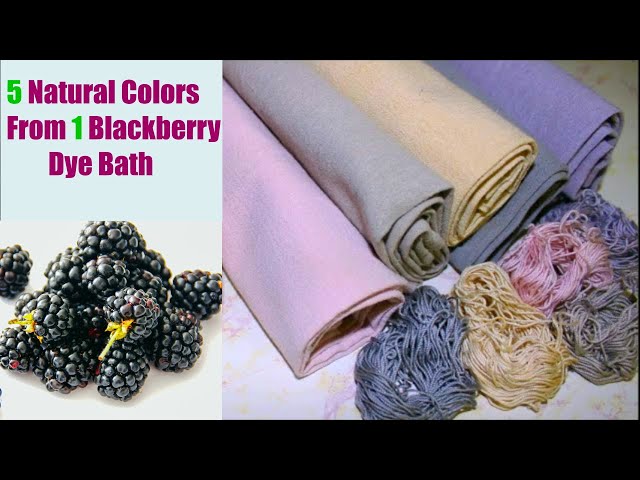
Blackberry shoots are an excellent source of natural dye, producing shades of yellow, gray, and green. The best time to harvest blackberry shoots is in April, when they’re fresh and tender. These shoots are easy to collect and have barely developed spines, making them a convenient choice for natural dyers.
History of Natural Dyes
Natural dyes have been used for centuries, with evidence of their use dating back to ancient civilizations such as the Egyptians, Greeks, and Romans. The use of natural dyes was not only limited to textiles but also to food coloring, cosmetics, and other applications.
Preparation of Natural Dye Bath
To create a natural dye bath using blackberry shoots, you’ll need to prepare a large quantity of water and boil it with the dried or fresh blackberry shoots. The ratio of shoots to water can vary depending on the desired intensity of color. A general rule of thumb is to use 300 grams of dried blackberry shoots for every liter of water.
Factors Affecting Natural Dye Bath
Several factors can affect the natural dye bath, including:
- Type and quantity of plant material: The type and quantity of plant material used can significantly impact the color produced.
- pH level: The pH level of the dye bath can also affect the color produced.
- Temperature: The temperature of the dye bath can influence the rate of dyeing.
Tips for Achieving Desired Color
To achieve a desired color, you’ll need to experiment with different ratios of plant material to water and adjust the mordant accordingly. Here are some general guidelines:
- Yellow shades: Use a higher ratio of blackberry shoots to water and add a small amount of alum to the dye bath.
- Gray shades: Mix equal parts of blackberry shoots and blueberries or elderberries with a little water to create a gray shade.
- Green shades: Add more blueberries or elderberries to the dye bath for a deeper green color.
Natural Dyeing Techniques
There are several natural dyeing techniques that can be used, including:
- Single-dye method: This involves immersing the fabric in the dye bath and allowing it to set.
- Double-dye method: This involves applying multiple layers of the dye bath to achieve a deeper color.
- Shibori technique: This involves folding, twisting, or pleating the fabric before dyeing for unique patterns.
Mordants
A mordant is an agent that helps the natural dye bind to the fabric. Common mordants include:
- Alum (aluminum sulfate): A popular choice for natural dyes due to its ability to stabilize colors.
- Cream of tartar: A less expensive alternative to alum, but may require more frequent use.
Fabric Types
Blackberry shoots can be used to dye a variety of fabric types, including:
- Cotton: A common choice for natural dyes due to its absorbency and durability.
- Silk: Can create vibrant colors with the right amount of blackberry shoots.
- Wool: May require additional mordanting steps due to its coarser fibers.
Color Combinations
Experimenting with different color combinations can add unique touches to your natural dye projects. Consider pairing blackberry shoots with other plant materials, such as:
- Indigo: Creates deep blues and purples.
- Turmeric: Adds warm yellows and oranges.
- Elderberries: Produces rich greens and browns.
Natural Dyeing Safety Precautions
When working with natural dyes, it’s essential to follow safety precautions to avoid skin irritation and allergic reactions. Here are some guidelines:
- Wear protective gloves: When handling plant materials and dye baths.
- Avoid skin contact: When applying the dye bath or using mordants.
- Use well-ventilated areas: When boiling the dye bath.
Conclusion
Natural dyes using blackberry shoots offer a unique opportunity to create vibrant, sustainable colors for your textiles. With the right techniques and materials, you can achieve stunning results that will set your projects apart. Experiment with different ratios of plant material to water, mordanting options, and fabric types to unlock the full potential of natural dyeing.
Frequently Asked Questions
- Q: What type of fabric is best suited for natural dyes?
A: Cotton, silk, and wool are great options for natural dyes. - Q: How often can I re-dye the same fabric using blackberry shoots?
A: You can re-dye the fabric every few weeks to achieve a more intense color. - Q: Can I use fresh blackberry shoots instead of dried ones?
A: Yes, but make sure to adjust the ratio of shoots to water accordingly. - Q: How long does it take for the natural dye to set?
A: The natural dye will take several days to fully set and stabilize. - Q: Can I use blackberry shoots to create other colors besides yellow, gray, and green?
A: Yes, by adjusting the ratio of shoots to water or adding other natural ingredients, you can achieve a range of colors.
Care Instructions for Natural Dye Fabrics
Hand wash the fabric in cold water and avoid exposing it to direct sunlight.


