
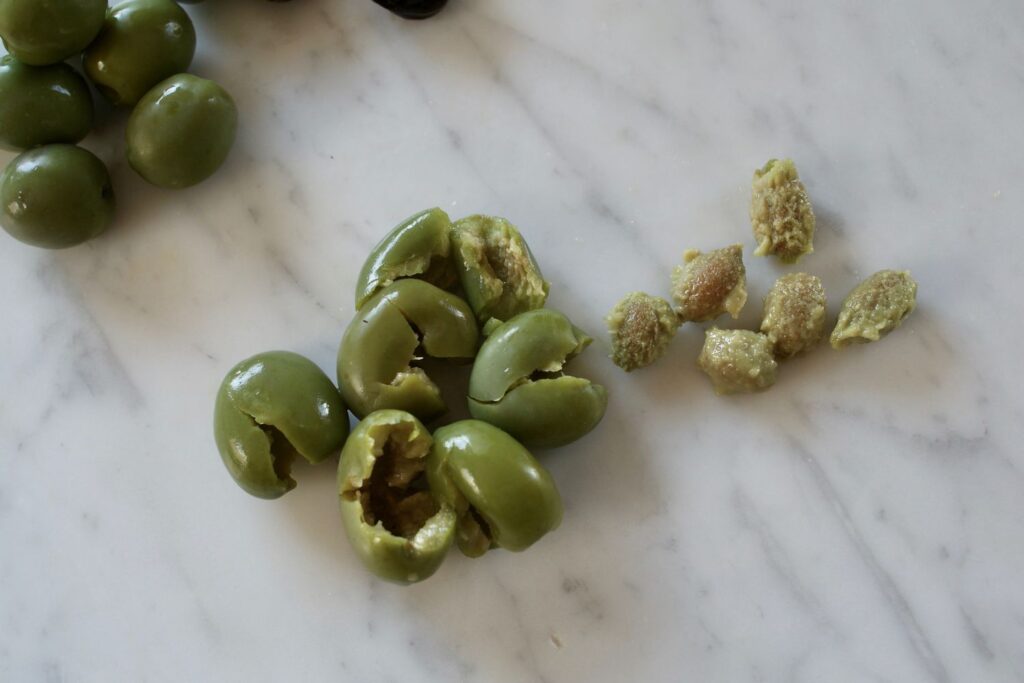
Understanding the Importance of Olive Kernels Removal
Olive kernels are a common annoyance when serving olive-based dishes, as they can be difficult to remove without damaging the surrounding flesh. However, learning how to properly remove olive kernels is an essential skill for any food enthusiast.
For centuries, olives have been a staple ingredient in Mediterranean cuisine, and their versatility has made them a favorite among chefs and home cooks alike. From classic dips like hummus and tapenade to salads and pasta dishes, olives add flavor, texture, and nutrition to a wide range of recipes.
But one of the biggest challenges when working with olives is removing the kernels, which can be tough and resistant to removal. If not done properly, kernel removal can damage the surrounding flesh, resulting in an unappetizing texture and flavor. In this article, we’ll explore the different methods for removing olive kernels, including automated snackers, manual snacker options, and traditional knife work.
Automated Snackers: The Convenience of Automatic Snackers
For those who want to enjoy large quantities of olives with minimal hassle, automated snackers are a great option. These machines can process thousands of olives per minute, making them ideal for commercial settings like restaurants and bars. However, for home cooks, there are more affordable and user-friendly options available.
Automated snackers typically come in different shapes and sizes, depending on the type of olives being processed. Some models have a simple design with a rotating drum or auger that collects the kernels as they fall through, while others feature advanced technology like sensors and timers to optimize the kernel removal process.
While automated snackers are convenient, they can be expensive, especially for small households. Additionally, some users have reported issues with kernel jamming or olives getting stuck in the machine, which can lead to frustration and wasted time.
Manual Snackers: A Cost-Effective Solution
For those who don’t have access to automated snackers or prefer a more hands-on approach, manual snacker options are a great alternative. These devices are designed specifically for domestic use and can be easily cleaned in a dishwasher. They’re an excellent choice for removing kernels from small quantities of olives.
Manual snackers typically come with adjustable settings and interchangeable parts, allowing users to customize the kernel removal process to their liking. Some models also feature built-in containers or trays for easy collection and storage of the kernels.
While manual snackers are generally more affordable than automated options, they can be slower and more labor-intensive, especially when processing large quantities of olives.
Using a Knife: A Simple yet Effective Method
For those who don’t have access to specialized snackers or prefer not to use them, using a knife is a simple yet effective way to remove olive kernels. This method requires some practice and patience but can produce great results with minimal damage to the surrounding flesh.
To use a knife for kernel removal, start by carefully cutting the olive in half or quarters, depending on its size. Then, use a flat surface like a cutting board as a guide to gently pry out the kernels. It’s essential to work slowly and carefully, as applying too much pressure can damage the olives or cause injury.
The Importance of Proper Technique
When using a knife to remove olive kernels, it’s essential to use proper technique to avoid damaging the olives or causing injury to yourself. Here are a few tips to keep in mind:
- Always point the blade away from your body
- Apply gentle pressure and don’t press too hard
- Use a flat surface like a cutting board for stability
By following these simple guidelines, you can effectively remove olive kernels using a knife, even if it takes some practice.
The Nutritional Benefits of Olive Kernels
Olive kernels are not only delicious but also packed with nutritional benefits. They contain high levels of healthy fats, antioxidants, and vitamins, making them an excellent addition to a balanced diet.
- High in Healthy Fats: Olive kernels are rich in monounsaturated fats, which can help lower cholesterol levels and improve heart health.
- Rich in Antioxidants: Olive kernels contain a range of antioxidants, including polyphenols and vitamin E, which can help protect against cell damage and reduce inflammation.
- Good Source of Vitamins and Minerals: Olive kernels are also a good source of vitamins A and K, as well as minerals like potassium and iron.
Delicious Recipes Featuring Olive Kernels
Olive kernels can add flavor and nutrition to a variety of dishes. Here are three simple recipes to get you started:
- Salamoia-Soaked Olives: This classic Italian recipe involves soaking olives in a salty brine for several days. The result is tender, flavorful olives with a deliciously tangy taste.
- Insalata di Baccalà e Mozzarella Marinata: This hearty dish combines the richness of baccalà (salted cod) with the creaminess of mozzarella cheese and the freshness of olive kernels.
Tips for Cooking with Olive Kernels
When cooking with olive kernels, it’s essential to consider their high fat content. Here are a few tips to keep in mind:
- Use olive kernels as a topping or garnish instead of mixing them into sauces or dressings.
- Add olive kernels to salads just before serving, as they can become soggy if left out for too long.
- When making dips or spreads, use olive kernels sparingly and only add a small amount to the mixture.
Conclusion
Removing olive kernels is an essential skill for any food enthusiast. With the right tools, techniques, and recipes, you can enjoy these delicious olives in all their glory. Whether you prefer automated snackers, manual snacker options, or good old-fashioned knife work, there’s a method out there for everyone.
By mastering the art of olive kernel removal, you’ll be able to unlock new flavors and textures in your cooking, while also enjoying the health benefits that these nutritious little kernels have to offer.


