
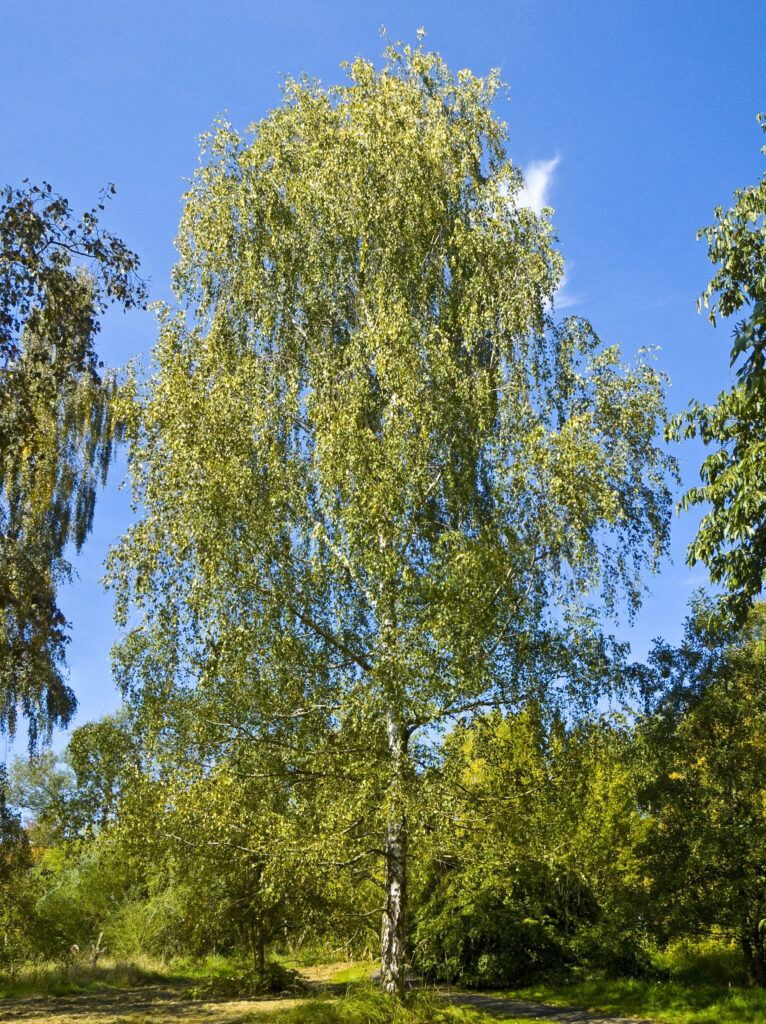
Betula is a genus of plants native to the Northern Hemisphere, comprising 40 different species. These species are known for their numerous beneficial properties, making them valuable for various uses, including traditional medicine, cosmetics, and timber production.
Classification of the Betula Tree
The betula tree belongs to the division Magnoliophyta, class Magnoliopsida, order Fagales, and family Betulaceae. There are 40 different species within this genus, each with unique characteristics and properties.
- Betula pendula (Verrucosa): A popular species for its medicinal properties.
- Betula pubescens: Known as the downy birch or birch tree, it is used for its timber and has been employed in traditional medicine.
- Betula alba: Also known as the white birch, it is prized for its timber and has been used in cosmetics.
Properties of the Betula Tree
The betula tree contains various compounds that contribute to its beneficial properties. These include:
- Saponins: A type of compound responsible for the tree’s anti-inflammatory and antibacterial properties.
- Flavonoids: A class of compounds with antioxidant and anti-inflammatory effects.
- Polysaccharides: Compounds with potential therapeutic benefits, including their ability to regulate blood sugar levels.
Medicinal Uses of Betula
The betula tree has been used in traditional medicine for various purposes. These include:
- Diuretic properties: The tree’s extracts are used to treat urinary tract infections and other conditions related to fluid retention.
- Anti-inflammatory effects: The saponins present in the tree have anti-inflammatory properties, making it an effective remedy for reducing swelling and pain.
Cosmetic Uses of Betula
The betula tree has been used in cosmetics due to its beneficial properties. These include:
- Cellulite treatment: The tree’s extracts are used to treat cellulite, a condition characterized by the appearance of dimples on the skin.
- Anti-aging effects: The flavonoids present in the tree have antioxidant and anti-inflammatory effects, which can help reduce wrinkles and age-related skin damage.
Timber Production
The betula tree is valued for its timber, which is used in construction and furniture-making. The tree’s wood is durable and resistant to decay.
Oil Extraction from Betula
The oil extracted from the betula tree has various medicinal properties. These include:
- Rubefacient effects: The oil is used to relieve pain and inflammation.
- Anti-cellulite effects: The oil is applied topically to treat cellulite.
Infusion of Betula for Internal Use
A tea made from the leaves of the betula tree can be prepared for internal use. This infusion has been shown to have beneficial effects on blood sugar levels and cardiovascular health.
Tintura Madre di Betulla
The tintura madre is a concentrated extract of the betula tree, which has potent diuretic properties. It is used to treat various conditions, including hypertension, fluid retention, and liver disease.
Precautions and Contraindications
While the betula tree has numerous benefits, it can also have adverse effects in certain individuals. These include:
- Concomitant use with other medications: Betula products should not be used in conjunction with other diuretic medications.
- Hypotension: The tintura madre should not be used by individuals with hypotension (low blood pressure).
Conclusion
The betula tree is a versatile plant with numerous beneficial properties. Its extracts have been used for various purposes, including traditional medicine and cosmetics. While the tree has numerous benefits, it can also have adverse effects in certain individuals. As such, proper precautions and contraindications should be taken when using products derived from the betula tree.
FAQs
- What are the different species of Betula?
There are 40 different species within the Betula genus. - What are the medicinal properties of Betula?
The tree contains saponins, flavonoids, and polysaccharides with anti-inflammatory and antibacterial effects. - How is Betula used in cosmetics?
The tree’s extracts are used to treat cellulite, reduce wrinkles, and improve skin health. - What is the timber production of Betula?
The tree’s wood is valued for its durability and resistance to decay. - Can I use Betula oil topically?
Yes, but it should be diluted with another oil before application.
Future Research Directions
There are several areas where further research on betula is needed. These include:
- Investigating the effects of Betula extracts on cardiovascular health: Studies have shown that the flavonoids present in the tree can help lower blood pressure and improve heart health.
- Examining the potential therapeutic benefits of Betula polysaccharides: Further research is needed to fully understand the potential benefits of these compounds.
- Exploring the use of Betula extracts as a natural remedy for skin conditions: The anti-inflammatory properties of the tree’s saponins and flavonoids make it an attractive option for treating various skin conditions.
Cultivation of Betula
Betula trees can be cultivated in a variety of environments, including gardens, parks, and forests. They require well-drained soil and full sun to partial shade.
- Planting betula seedlings: The best time to plant betula seedlings is in the fall or early spring, when the weather is cooler.
- Pruning and training: Prune the tree regularly to maintain its shape and encourage healthy growth.
- Mulching: Mulch around the base of the tree to retain moisture and suppress weeds.
Harvesting Betula
The betula tree can be harvested for various products, including timber, oil, and tea. The best time to harvest is in the spring or fall, when the weather is mild.
- Cutting branches: Cut branches from the tree using a saw or pruning shears.
- Drying: Dry the branches in a cool, well-ventilated area to preserve them for later use.
- Processing: Process the dried branches into oil or tea as desired.


