
Introduction
Tanacetum, commonly known as tanaceto, is a perennial herbaceous plant belonging to the Asteraceae family. Its name originates from the Latin word “tanatiza,” which translates to “di lunga durata” or “long-lasting.” This pungent herb has been widely used for its medicinal and culinary properties, particularly in traditional medicine. In this article, we will delve into the world of tanacetum cultivation, covering its history, benefits, and methods for growing it from seeds or cuttings.
Understanding Tanacetum
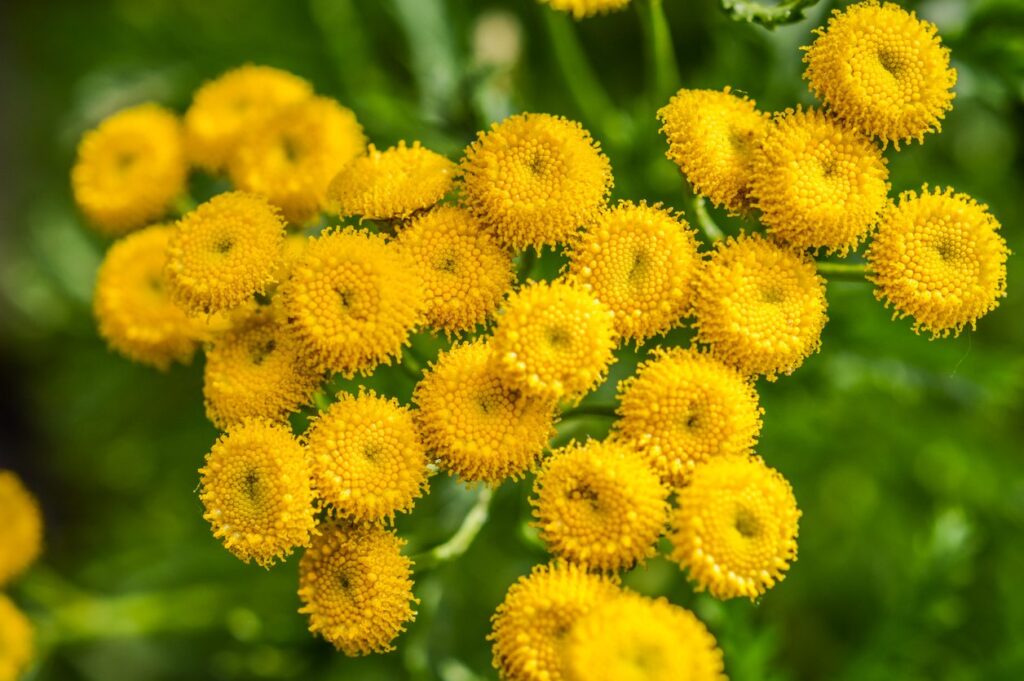
Tanacetum vulgare, also known as common tansy, is a widespread herb native to Europe and Asia. Its distinctive features include bright yellow flowers, robust stems that branch out towards the top, and thin, serrated leaves arranged alternately on its stem. This plant thrives in various environments, including fields, mountainous regions, and even along waterways and roadsides.
History of Tanacetum Cultivation
While tanacetum can be found growing wild, many gardeners prefer to cultivate it for its beneficial properties and ornamental value. Today, people from all over the world are experimenting with this versatile herb, exploring various methods for cultivation, including direct seeding and propagation through cuttings.
Choosing the Right Growing Conditions
Tanacetum can grow in a range of soil types, including calcareous and siliceous soils with a neutral pH. This adaptable plant requires minimal maintenance and care, making it an ideal choice for gardeners of all skill levels. When cultivating tanacetum, ensure that your chosen location receives ample sunlight.
Cultivating Tanacetum from Seeds
To grow tanacetum from seeds, start by preparing the soil with a lightweight composition. Sow the seeds on the surface of the soil and water lightly after sowing to maintain humidity. Avoid overwatering or using strong irrigation systems, which can displace the seeds or cause excessive watering. Repeat watering every few days during periods of drought.
Acquiring Tanacetum Seeds
Tanacetum seeds can be found at specialized agricultural cooperatives, as well as through online marketplaces like Amazon. You can also collect seeds from mature tanaceto plants by harvesting their flowers.
Cultivating Tanacetum from Cuttings
Another popular method for growing tanacetum is through cuttings. This involves acquiring a healthy cutting from an existing plant and planting it directly into the soil or a pot. Keep in mind that cuttings require more attention than seeds, as they need regular watering and exposure to sunlight.
Why Grow Tanacetum?
Tanacetum has been used for centuries for its medicinal properties, including carminative, stimulant, emmenagogic, and vermifuge effects. As a natural remedy, it can help alleviate symptoms of various health issues, such as digestive problems, anxiety, and pest control. Additionally, the herb has anti-inflammatory and antibacterial properties, making it useful for external skin applications.
Creative Applications of Tanacetum
Tanacetum’s versatility extends beyond its medicinal uses. Its pungent aroma repels mosquitoes, ants, and other pests, making it an effective natural insecticide. The plant can be used to create herbal remedies, such as teas, tinctures, or salves, which are beneficial for skin issues and pain relief.
Tanacetum in Traditional Medicine
In traditional medicine, tanacetum has been used to treat a variety of health issues, including:
- Digestive problems: Tanacetum’s carminative properties make it effective in relieving bloating, gas, and indigestion.
- Anxiety and stress: The herb’s stimulant effects can help alleviate symptoms of anxiety and stress.
- Skin conditions: Tanacetum’s anti-inflammatory properties make it useful for treating skin conditions such as acne, eczema, and psoriasis.
Tanacetum in Culinary Applications
Tanacetum is also used in various culinary applications, including:
- Cooking: The herb adds a unique flavor to salads, soups, and sauces.
- Beverages: Tanacetum can be used to make herbal teas, infusions, or tonics.
Growing Tanacetum in Different Regions
Tanacetum can thrive in various regions with different climates and soil conditions. Some of the best places to grow tanacetum include:
- Europe: Tanacetum is widely cultivated in European countries such as France, Germany, and Italy.
- Asia: The herb is also commonly grown in Asian countries such as China, Japan, and Korea.
- North America: Tanacetum can be grown in many parts of North America, including the United States and Canada.
Tips for Growing Tanacetum
Growing tanacetum requires minimal maintenance, but there are some tips to keep in mind:
- Watering: Tanacetum prefers well-draining soil and should not be overwatered.
- Pruning: Regular pruning can help maintain the plant’s shape and promote healthy growth.
- Pest control: Tanacetum is susceptible to pests such as aphids and whiteflies, which can be controlled using natural pest control methods.
Conclusion
Growing tanacetum is a rewarding experience that offers numerous benefits, from its medicinal properties to its ornamental value. By understanding the basics of this versatile herb and following our cultivation guidelines, you can enjoy the many advantages of growing your own tanacetum.
Frequently Asked Questions (FAQs)
-
What are the ideal growing conditions for tanacetum?
Tanacetum thrives in well-draining soils with a neutral pH, receiving ample sunlight. -
Can I grow tanacetum indoors?
Yes, but ensure that it receives sufficient natural light and is kept at a comfortable temperature. -
How do I harvest tanacetum seeds?
Collect the seeds from mature flowers or purchase them online from reputable sources. -
What are the benefits of using tanacetum for pest control?
Tanacetum’s pungent aroma repels mosquitoes, ants, and other pests, making it a natural insecticide. -
Can I use tanacetum for external skin applications?
Yes, its anti-inflammatory and antibacterial properties make it suitable for topical application. -
How do I propagate tanacetum through cuttings?
Take healthy cuttings from an existing plant, remove lower leaves, and plant them directly into the soil or a pot. -
What is the recommended dosage of tanacetum for medicinal purposes?
Consult with a healthcare professional before using tanacetum as a remedy, as its effectiveness and safety vary depending on individual needs and health conditions. -
Can I grow multiple varieties of tanacetum simultaneously?
Yes, but ensure that each variety receives sufficient space and light to thrive.


