
Intestinal sluggishness, also known as constipation, is a common condition that affects millions of people worldwide. It can cause discomfort, pain, and even lead to more serious health issues if left untreated. In this article, we’ll delve into the causes, symptoms, and remedies for intestinal sluggishness, so you can take control of your digestive health.
Causes of Intestinal Sluggishness
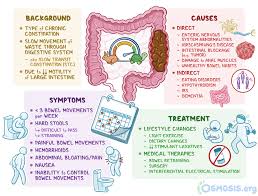
Intestinal sluggishness can be caused by a combination of factors, including diet, lifestyle, and underlying medical conditions. Some common causes include:
- Poor digestion: A slow gut motility or impaired absorption of nutrients can lead to constipation.
- Low fiber intake: Fiber helps move food through the digestive system and prevent constipation. Foods high in fiber include fruits, vegetables, whole grains, and legumes.
- Stress and anxiety: Stress can slow down digestion and cause constipation.
- Hormonal changes during menstruation or menopause: Hormonal fluctuations can affect bowel habits and lead to constipation.
- Certain medications: Some medications, such as antidepressants, antihistamines, and painkillers, can cause constipation as a side effect.
- Underlying medical conditions: Conditions like irritable bowel syndrome (IBS), gastroesophageal reflux disease (GERD), and hypothyroidism can increase the risk of intestinal sluggishness.
Symptoms of Intestinal Sluggishness
The symptoms of intestinal sluggishness can vary from person to person, but common signs include:
- Diarrhea: Loose, watery stools that are not properly absorbed by the body.
- Abdominal pain: Pain or discomfort in the abdomen, which can range from mild to severe.
- Bloating and gas: Feeling uncomfortably full or bloated due to swallowed air or gas trapped in the digestive system.
- Nausea and vomiting: Feeling queasy or sick to the stomach, leading to vomiting.
- Fatigue: Feeling weak, tired, or lacking energy due to malnutrition or dehydration.
Intestinal Sluggishness in Children
Intestinal sluggishness can also affect children. In children, constipation is more common than diarrhea, and may be accompanied by other symptoms such as:
- Abdominal pain: Pain or discomfort in the abdomen, which can range from mild to severe.
- Vomiting: Feeling queasy or sick to the stomach, leading to vomiting.
- Blood in the stool: Seeing blood in the stool, which can be a sign of an underlying medical condition.
- Difficulty breathing: Difficulty breathing or shortness of breath due to intestinal obstruction.
If you suspect your child has intestinal sluggishness, consult with a pediatrician to rule out any underlying medical conditions.
Diagnosing Intestinal Sluggishness
Diagnosing intestinal sluggishness can be done through a combination of physical examination, medical history, and diagnostic tests. Some common tests include:
- Stool tests: Analyzing stool samples for signs of constipation or other digestive issues.
- Blood tests: Measuring levels of electrolytes, hormones, or other substances in the blood to diagnose underlying conditions.
- Imaging studies: Using X-rays, CT scans, or MRI scans to visualize the digestive tract and identify any blockages or abnormalities.
Treatment Options for Intestinal Sluggishness
The treatment for intestinal sluggishness depends on the underlying cause and severity of symptoms. Some common treatment options include:
- Dietary changes: Increasing fiber intake, eating smaller meals, avoiding foods that trigger constipation.
- Medications: Laxatives, stool softeners, or medications to relieve abdominal pain.
- Lifestyle modifications: Regular exercise, stress management techniques, getting enough sleep.
Lifestyle Modifications for Intestinal Sluggishness
In addition to medical treatment, making lifestyle modifications can help alleviate symptoms of intestinal sluggishness. Some suggestions include:
- Increasing fiber intake: Eating foods high in fiber, such as fruits, vegetables, whole grains, and legumes.
- Drinking plenty of water: Staying hydrated by drinking at least eight glasses of water a day.
- Avoiding foods that trigger constipation: Steer clear of foods that can slow down digestion or cause constipation, such as dairy products, processed meats, and sugary snacks.
- Practicing stress management techniques: Engaging in activities like meditation, deep breathing, or yoga to reduce stress and promote relaxation.
Prevention Strategies
To prevent intestinal sluggishness, consider the following strategies:
- Eat a balanced diet: Focus on whole, nutrient-rich foods to support digestive health.
- Stay hydrated: Drink plenty of water throughout the day to prevent dehydration.
- Exercise regularly: Regular physical activity can help stimulate bowel movements and improve overall digestion.
- Manage stress: Engage in stress-reducing activities like meditation or deep breathing exercises.
Conclusion
Intestinal sluggishness is a common condition that can be treated with dietary changes, medications, and lifestyle modifications. By understanding the causes, symptoms, and treatment options for intestinal sluggishness, you can take control of your digestive health and alleviate symptoms. If you suspect you have intestinal sluggishness, consult with a healthcare professional to determine the best course of action.
FAQs
- What are the symptoms of intestinal sluggishness?
- Diarrhea
- Abdominal pain
- Bloating and gas
- Nausea and vomiting
- Fatigue
- How is intestinal sluggishness diagnosed?
- Physical examination
- Medical history
- Diagnostic tests such as stool tests, blood tests, or imaging studies.
- What are the treatment options for intestinal sluggishness?
- Dietary changes: Increasing fiber intake, eating smaller meals, avoiding foods that trigger constipation.
- Medications: Laxatives, stool softeners, or medications to relieve abdominal pain.
- Lifestyle modifications: Regular exercise, stress management techniques, getting enough sleep.
- How can I prevent intestinal sluggishness?
- Increasing fiber intake through foods such as fruits, vegetables, and whole grains
- Drinking plenty of water to stay hydrated
- Avoiding foods that trigger constipation
- Practicing stress management techniques such as meditation or deep breathing
Note: The information provided in this article is for general educational purposes only and should not be used as a substitute for professional medical advice. If you are experiencing symptoms of intestinal sluggishness, consult with a healthcare professional for proper diagnosis and treatment.


