
As we discussed in our previous article “Ceramic or Stainless Steel Knives,” ceramic materials have their advantages and disadvantages. While they may add an elegant touch to your table setting, their limitations make them less suitable for cooking tasks.
In this article, we’ll delve into the world of sharpening ceramic knives, exploring the importance of maintaining a sharp edge and providing tips on how to repair damaged blades.
Why Sharpen a Ceramic Knife?
Ceramic knives are prone to losing their sharpness easily, especially when used on tough foods like meat and vegetables. If you’re not careful, the blade can become dull, making it difficult to perform tasks efficiently. That’s why sharpening your ceramic knife is essential.
Sharpening a Ceramic Knife: The Basics
Sharpening a ceramic knife requires delicacy and care. Unlike stainless steel knives, ceramic blades don’t respond well to excessive pressure or force. You’ll need to use a gentle touch to maintain the edge.
The angle of sharpening remains the same for most ceramic knives, typically between 15° and 17° (slightly less than 20°). However, this can vary depending on the specific knife model you’re using.
Choosing the Right Sharpening Kit
You don’t need a specialized kit specifically designed for ceramic blades. An all-purpose sharpening kit or a universal sharpener will work just fine. However, if you want to invest in a high-quality kit, consider one that’s designed for ceramic blades.
Some popular options include:
- Universal sharpeners: These are affordable and can be used on various materials. Look for ones with an aluminum housing and fine grit (around 1000-1200).
- Ceramic-specific sharpeners: These are more expensive but offer better performance and precision. Consider brands like Tescoma or B-Prime.
How to Sharpen a Ceramic Knife
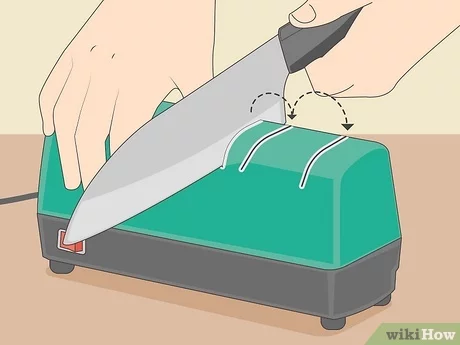
Here’s a step-by-step guide on how to sharpen your ceramic knife:
- Prepare the blade: Clean the blade thoroughly to remove any debris or residue.
- Choose the right angle: Set the sharpening stone to the correct angle (15°-17°).
- Run your hand along the blade: Gently apply pressure while running your hand along the blade, using the green handle of the sharpener.
- Repeat the process: Continue sharpening until you feel a slight resistance or “catch” on the edge.
Tips and Precautions
- Apply gentle pressure: Avoid applying too much pressure, as this can damage the blade or ruin its edge.
- Use the correct angle: Make sure to set the sharpener at the correct angle to maintain the edge’s integrity.
- Don’t over-sharpen: Be careful not to sharpen the blade too aggressively, as this can lead to a weak edge.
Repairing a Damaged Ceramic Knife
If your ceramic knife is damaged, don’t worry! You can repair it using a “rotating tool” or an electric grinder with care. Here’s how:
- Assess the damage: Examine the blade and determine the extent of the damage.
- Choose the right tool: Select a rotating tool or electric grinder suitable for ceramic blades.
- Set the correct angle: Use a sharpening stone to set the correct angle (15°-17°).
- Rebuild the edge: Carefully rebuild the edge, using gentle pressure and precision.
Tips for Repairing a Damaged Ceramic Knife
- Use a gentle touch: Avoid applying too much pressure or force, as this can damage the blade further.
- Keep it slow and steady: Build up the edge gradually, taking small strokes to avoid damaging the blade.
- Cleanliness is key: Make sure the area around the damaged section is clean and free of debris before starting the repair.
Common Types of Damage and How to Repair Them
- Chipping or cracking: If your ceramic knife has chipped or cracked, you can use a rotating tool to smooth out the edge. Apply a small amount of ceramic sharpening compound to the affected area and gently rotate the tool while applying light pressure.
- Wear and tear: If your ceramic knife shows signs of wear and tear, such as pitting or dullness, you can use an electric grinder with a fine grit stone to rebuild the edge. Be cautious not to apply too much pressure, which can damage the blade.
Conclusion
Sharpening a ceramic knife requires delicacy and care. By following these steps and tips, you can maintain your blade’s sharpness and extend its lifespan. Remember to always handle your knife with care, applying gentle pressure and respecting the correct angle of sharpening.
Frequently Asked Questions (FAQs)
Q: Can I use a stainless steel sharpener on my ceramic knife?
A: No, it’s best to use a ceramic-specific sharpener or an all-purpose sharpener with fine grit. Stainless steel sharpeners can damage the blade’s edge.
Q: How often should I sharpen my ceramic knife?
A: Depending on usage, you may need to sharpen your ceramic knife every 1-3 months.
Q: Can I use a diamond stone to sharpen my ceramic knife?
A: No, it’s not recommended. Diamond stones can be too aggressive and damage the blade’s edge.
Q: How do I choose the right sharpening angle for my ceramic knife?
A: Typically, the sharpening angle is between 15°-17° (slightly less than 20°). However, consult your knife’s manufacturer instructions or online resources for specific guidance.
Q: Can I use a sharpener with a rubber base to sharpen my ceramic knife?
A: No, it’s not recommended. Rubber bases can damage the blade’s edge and prevent proper sharpening.
Q: How do I store my ceramic knife after sharpening?
A: Store your ceramic knife in a dry place, away from direct sunlight. Avoid storing it with other kitchen utensils or knives that may cause scratches.
Q: Can I repair a broken ceramic knife using an electric grinder alone?
A: No, it’s not recommended. Electric grinders can damage the blade or ruin its edge without proper guidance and experience.
Q: How do I prevent my ceramic knife from getting damaged in the future?
A: Handle your ceramic knife with care, applying gentle pressure and respecting the correct angle of sharpening. Regularly clean and maintain your knife to extend its lifespan.
Additional Resources
- Ceramic Knife Sharpening Guide (PDF): A comprehensive guide covering various sharpening techniques and tips for maintaining a sharp edge.
- Ceramic Knife Care and Maintenance: Tips on how to properly store, clean, and handle your ceramic knife to ensure optimal performance and longevity.


