
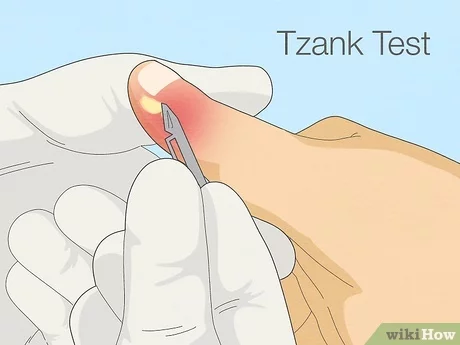
Paronychia, also known as giradito, is a bacterial infection that affects the skin around the fingernails. It’s more common in people who cut their nails incorrectly, have weak or brittle nails, or have poor nail hygiene habits. The bacteria that cause paronychia thrive in moist environments, making it easier for them to spread and infect the surrounding tissue.
Understanding the Causes of Paronychia
Paronychia is caused by a bacterial infection that occurs when bacteria enter the skin around the fingernails through cuts, cracks, or other injuries. The most common types of bacteria that cause paronychia are:
- Staphylococcus aureus
- Streptococcus pyogenes
- Escherichia coli (E. coli)
These bacteria thrive in moist environments and can spread quickly when they enter the skin. In some cases, paronychia can also be caused by fungal infections or viral infections such as herpes simplex.
Identifying the Symptoms of Paronychia
If you’re experiencing any of the following symptoms, you may have paronychia:
- Redness and swelling around the fingernail
- Pain or tenderness when touching the affected area
- Pus or discharge from the infected nail bed
- Foul odor from the infected area
In severe cases, paronychia can lead to more serious complications, such as abscesses, infections of the bone and tissue, and even gangrene. If left untreated, paronychia can also lead to permanent damage to the nail bed and surrounding tissue.
When to Seek Medical Attention
If you suspect that you have paronychia, it’s essential to seek medical attention promptly. Your doctor may prescribe antibiotics or other treatments to help clear up the infection. In some cases, surgery may be necessary to remove the infected nail or tissue.
Natural Remedies for Paronychia
While antibiotics and medical treatments can help alleviate symptoms, there are also several natural remedies that can help prevent and treat paronychia:
Ointments and Topical Treatments
- Vitamin E Oil: Vitamin E oil has antibacterial properties that can help soothe and protect the skin around the fingernails. Apply a small amount of oil to the affected area and massage it in gently.
- Tea Tree Oil: Tea tree oil has antiseptic properties that can help combat bacterial infections. Mix a few drops of tea tree oil with a carrier oil like coconut or olive oil and apply it to the affected area.
Dietary Changes
- Stay Hydrated: Drinking plenty of water can help keep your skin hydrated and prevent bacterial growth.
- Avoid Sugary Foods: Consuming high amounts of sugar can lead to inflammation and promote bacterial growth. Limit sugary foods and drinks in your diet.
- Eat Antioxidant-Rich Foods: Foods rich in antioxidants, such as berries, leafy greens, and other fruits and vegetables, can help reduce inflammation and promote overall health.
Lifestyle Changes
- Keep Your Nails Short: Keeping your nails short can help prevent bacterial growth and reduce the risk of paronychia.
- Avoid Tight Fitting Gloves: Wearing tight fitting gloves can lead to moisture buildup and create an ideal environment for bacteria to grow. Wear loose-fitting gloves when engaging in activities that involve exposure to water or harsh chemicals.
Home Remedies
- Baking Soda Soak: Mix 1 tablespoon of baking soda with warm water to create a paste. Apply the paste to the affected area and soak your hands for 10-15 minutes.
- Garlic and Lemon Juice: Garlic has antibacterial properties that can help combat bacterial infections. Mix equal parts garlic juice and lemon juice and apply it to the affected area.
Tips and Tricks
- Practice Good Hygiene: Wash your hands regularly, especially after handling food or coming into contact with bacteria.
- Avoid Sharing Personal Care Items: Avoid sharing personal care items like nail clippers, scissors, or tweezers to prevent the spread of infection.
- Keep Your Environment Clean: Regularly clean and disinfect surfaces that come into contact with your hands, especially in areas where bacteria can thrive.
Preventing Paronychia
Preventing paronychia requires a combination of good hygiene practices, healthy lifestyle habits, and natural remedies. By following these tips and incorporating natural remedies into your daily routine, you can reduce your risk of developing paronychia and promote overall health and well-being.
Common Causes of Paronychia in Specific Situations
- Cutting Your Nails Incorrectly: Cutting your nails too short or at an angle can create a cut that allows bacteria to enter the skin.
- Using Poor Hygiene Practices: Not washing your hands regularly, especially after handling food or coming into contact with bacteria, can increase your risk of developing paronychia.
- Wearing Tight Fitting Gloves: Wearing tight fitting gloves can lead to moisture buildup and create an ideal environment for bacteria to grow.
Managing Paronychia
If you have paronychia, it’s essential to take steps to manage the infection. This includes:
- Applying topical treatments such as ointments or creams
- Taking antibiotics if prescribed by your doctor
- Keeping your nails short and avoiding tight fitting gloves
- Practicing good hygiene practices
Natural Remedies for Paronychia in Specific Situations
- For Bacterial Paronychia: Using antibacterial ointments or creams, taking antibiotics if prescribed by your doctor, and practicing good hygiene practices can help manage bacterial paronychia.
- For Fungal Paronychia: Applying antifungal creams or ointments, keeping your nails short, and avoiding tight fitting gloves can help manage fungal paronychia.
Conclusion
Paronychia is a common bacterial infection that affects the skin around the fingernails. While antibiotics and medical treatments can help alleviate symptoms, there are also several natural remedies that can help prevent and treat paronychia. By following these tips and incorporating natural remedies into your daily routine, you can reduce your risk of developing paronychia and promote overall health and well-being.


