
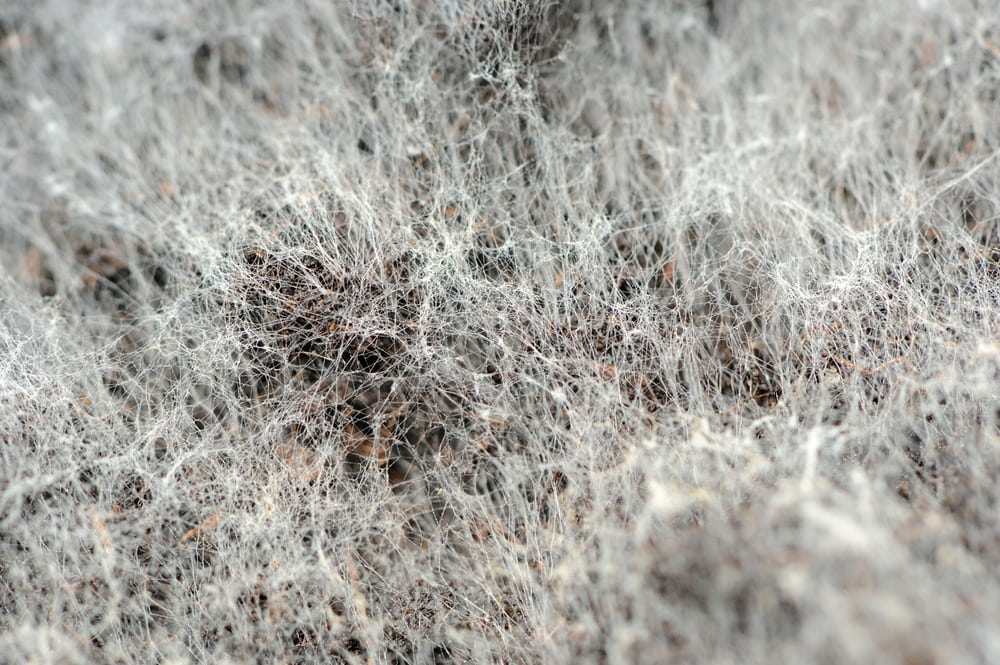
Understanding Mould on Grapes: Oidium and Botrytis
Grape cultivation is a delicate process that requires careful attention to various factors that can affect the health of the grapes. Among these, fungal diseases such as botrytis and oidium are significant concerns for grape growers. These diseases can cause grey or white mould to appear on grapes, leading to reduced yields and decreased quality.
In this article, we will delve into the importance of prevention, understanding the causes and symptoms of these diseases, and discussing treatment options.
Importance of Prevention
Preventing fungal diseases such as botrytis and oidium is crucial for grape growers. By taking proactive measures, growers can minimize the risk of infestation and reduce the impact of these diseases on their crops.
Good air circulation between the canes and the sun filtering through are essential factors in preventing the growth of fungi. When there is sufficient air movement, it makes it difficult for fungal spores to germinate and spread. Moreover, when sunlight filters through, it helps to dry out the grapes, making them less susceptible to infection.
Understanding Botrytis
Botrytis cinerea is a fungus that causes grey mould on grapevines. The symptoms of this disease are most evident by the appearance of grey mould on the grapes. Botrytis can affect both grape varieties and cultivars, resulting in significant yield losses and quality issues.
To understand how botrytis affects grapevines, it is essential to know that this fungus infects the grape berry through natural openings such as stomata. Once infected, the fungal spores can germinate and produce mycelium, which breaks down the cell wall of the grape berry, causing necrosis and death.
Understanding Oidium
Oidium turgida is a fungus that causes white mould on grapes. The symptoms of this disease are characterized by the appearance of white or yellowish patches on the surface of the grape berries. Oidium can affect both table grape and wine grape varieties, resulting in significant yield losses and quality issues.
To understand how oidium affects grapevines, it is essential to know that this fungus infects the grape berry through natural openings such as stomata. Once infected, the fungal spores can germinate and produce mycelium, which breaks down the cell wall of the grape berry, causing necrosis and death.
Preventing Mould on Grapes
To prevent mould from occurring on grapes, growers must implement a comprehensive strategy that includes:
- Green pruning (potatura verde): This involves removing dead leaves and shoots to improve air circulation and promote healthy growth.
- Regular monitoring: Growers should regularly inspect their vines for signs of fungal diseases such as botrytis and oidium.
- Irrigation management: Proper irrigation practices can help prevent fungal diseases by reducing the risk of overwatering, which can lead to fungal growth.
Treatment Options
While prevention is crucial in managing fungal diseases on grapevines, growers may need to use treatment options when infestations occur. Treatment options for grey mould (botrytis) and white mould (oidium) include:
- Anticrittogamici: These are fungicides that can help control the growth of fungi such as botrytis and oidium.
- Poltiglia bordolese: This is a treatment made from water-soluble polystyrene particles, which can be applied to the affected areas of the vineyard.
Frequently Asked Questions
Here are some key questions related to the topic covered:
- What causes grey mould on grapes?
Grey mould on grapevines is caused by the fungus Botrytis cinerea. - How can I prevent grey mould from occurring?
To prevent grey mould, you must implement a prevention strategy that includes green pruning (potatura verde). - What should be done to treat grey mould if it appears?
To treat grey mould, act quickly with an application of an anticrittogamico based on rame and eliminate affected parts. - How can I prevent white mould from appearing?
To prevent white mould from occurring, you must implement a prevention strategy that includes green pruning (potatura verde). - What are the most effective products for treating white mould?
The most effective products against both grey mould (botrytis) and white mould (oidium) are fitofarmacospecifics. - Can I use the same product to treat both grey and white mould?
While some products can be used to treat both grey and white mould, there may be specific products designed for one or the other disease. - How often should poltiglia bordolese be applied to prevent fungal diseases?
Poltiglia bordolese should be reapplied every 10 days approximately until the problem is fully resolved. - Can I use poltiglia bordolese on my entire vineyard, or only where necessary?
Poltiglia bordolese should be used specifically where needed to address fungal diseases.
Conclusion
In conclusion, prevention and treatment of mould on grapes are crucial for grape growers. By understanding the causes and symptoms of fungal diseases such as botrytis and oidium, growers can take proactive measures to prevent infestations and minimize yield losses. Treatment options such as anticrittogamici and poltiglia bordolese can also help control the growth of fungi.


