
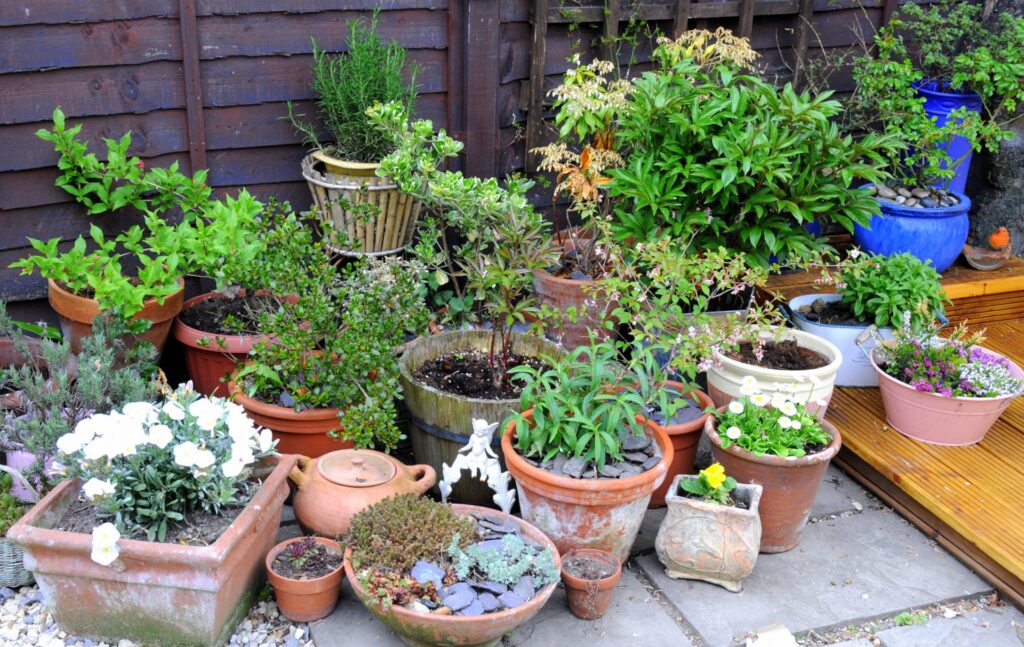
Are you ready to grow your own herb garden in pots? With a little care and attention, you can have fresh herbs right outside your door. But before you start, let’s talk about the basics.
Choosing the Right Potting Mix
The first step in growing an herb garden is choosing the right potting mix. This will depend on the type of herbs you want to grow and the climate where you live. Look for a mix that is specifically designed for indoor or outdoor use, and make sure it contains organic matter like peat moss or compost.
When selecting a potting mix, consider the following factors:
- Moisture retention: If you live in a dry climate, choose a mix that retains moisture well.
- Drainage: Herbs don’t like wet feet, so make sure the mix drains excess water quickly.
- pH balance: Most herbs prefer a slightly acidic to neutral pH range (around 6.0-7.0).
- Organic content: Organic matter helps retain moisture and suppresses weeds.
Some popular potting mixes for herb gardens include:
- Miracle-Gro Potting Mix: A well-draining mix that’s perfect for indoor and outdoor use.
- Espoma Organic Potting Mix: An organic blend of natural ingredients like bone meal and alfalfa meal.
- Pro-Mix All Purpose Potting Mix: A high-quality mix designed for a wide range of plants, including herbs.
Selecting the Right Herbs
Not all herbs are created equal when it comes to growing in pots. Some prefer well-draining soil, while others need more moisture. Here are some popular herbs that thrive in containers:
- Basil: A classic choice for herb gardens, basil loves warm weather and well-draining soil.
- Mint: This hardy herb is perfect for shady areas and can be grown in a variety of potting mixes.
- Cilantro: With its fast-growing leaves, cilantro is a great choice for containers. It prefers well-draining soil and partial shade.
- Lettuce and Other Salad Greens: These can be grown together in the same container, as long as you provide enough moisture and nutrients.
When choosing herbs, consider factors like:
- Climate: Some herbs prefer cooler temperatures, while others thrive in warmer conditions.
- Light requirements: Herbs have different light requirements, from full sun to partial shade.
- Soil preferences: Some herbs prefer well-draining soil, while others can tolerate moist conditions.
Creating a Balanced Ecosystem
One of the key benefits of growing an herb garden is creating a balanced ecosystem. This means choosing herbs that have similar growing requirements and complement each other’s flavors. For example:
- Pairing Herbs: Try combining herbs like basil, mint, and cilantro for a flavorful and fragrant mix.
- Grouping Herbs by Light Requirements: Group herbs with different light requirements together, such as sun-loving herbs like basil and sunflowers, or shade-loving herbs like mint and lettuce.
By creating a balanced ecosystem, you can:
- Encourage healthy growth and prevent pests and diseases
- Improve air quality and reduce pollution
- Enhance the overall flavor and aroma of your herbs
Additional Tips for Success
- Water Wisely: Overwatering is one of the most common mistakes made when growing an herb garden. Check the soil moisture regularly, and water only when necessary.
- Fertilize Regularly: Herbs need nutrients to thrive. Use a balanced fertilizer that’s specifically designed for indoor or outdoor use.
- Prune and Harvest: Pruning and harvesting your herbs regularly will encourage new growth and prevent them from becoming leggy.
Frequently Asked Questions
Q: What type of potting mix should I use?
A: Choose a potting mix that is specifically designed for indoor or outdoor use, and contains organic matter like peat moss or compost.
Q: How often should I water my herbs?
A: Check the soil moisture regularly, and water only when necessary. Overwatering can lead to root rot and other problems.
Q: Can I grow multiple types of herbs in the same container?
A: Yes, but make sure they have similar growing requirements and complement each other’s flavors. Pair herbs like basil, mint, and cilantro for a flavorful mix.
Q: How do I fertilize my herbs?
A: Use a balanced fertilizer that’s specifically designed for indoor or outdoor use. Follow the instructions on the label for application rates.
Q: Can I grow lettuce and other salad greens together in the same container?
A: Yes, as long as you provide enough moisture and nutrients. Group them with herbs like mint and cilantro for a delicious mix.
Q: How often should I prune my herbs?
A: Prune your herbs regularly to encourage new growth and prevent them from becoming leggy. Use scissors or pinch off individual leaves to promote bushy growth.
Tips for Maintaining Your Herb Garden
- Monitor temperature: Most herbs prefer daytime temperatures between 65-75°F (18-24°C) and nighttime temperatures around 55-65°F (13-18°C).
- Provide humidity: Herbs prefer a humid environment, especially when they’re young. You can cover the pot with a clear plastic bag or cloche to create a humid microclimate.
- Keep it clean: Regularly remove any debris or dead leaves from your herbs to prevent pests and diseases.
By following these tips and guidelines, you’ll be well on your way to growing a thriving herb garden in pots. Happy growing!


