
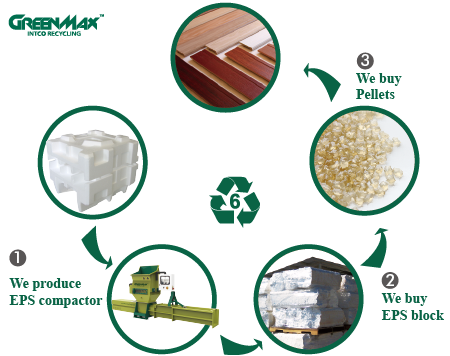
Styrofoam, also known as expanded polystyrene (EPS), is a lightweight, insulating material that has been widely used in packaging, construction, and other applications. However, its environmental impact has raised concerns about its sustainability. In this article, we will explore the process of recycling styrofoam, its benefits, and creative ways to reuse it.
What is Styrofoam, and Can it be Recycled?
Styrofoam is a type of plastic that is made from a combination of petroleum-based materials, including ethylene, propylene, and butadiene. These materials are mixed with additives such as stabilizers and colorants before being melted and extruded into long, thin strands that are shaped into various forms. Styrofoam is known for its lightweight and insulating properties, making it a popular choice for packaging, construction, and other applications.
However, styrofoam has also been linked to environmental problems such as pollution, climate change, and waste generation. The production of styrofoam requires significant amounts of energy, water, and raw materials, contributing to greenhouse gas emissions and waste generation. Furthermore, the disposal of styrofoam can lead to litter and pollution in oceans and landfills.
How is Styrofoam Produced?
The production of styrofoam involves a multi-step process that includes:
- Mixing: The raw materials, including ethylene, propylene, and butadiene, are mixed together with additives such as stabilizers and colorants.
- Melting: The mixture is melted and formed into long, thin strands.
- Extrusion: The melted material is then extruded through a machine that shapes it into various forms.
- Cooling: The styrofoam is cooled and hardened to create its lightweight and insulating properties.
Can Styrofoam be Transformed into Energy?
According to research conducted by the Iowa State University, styrofoam can be converted into biodiesel, providing a potential alternative energy source. While still in its experimental stages, this technology holds great promise for reducing our reliance on fossil fuels and mitigating climate change.
The Recycling Process: Separating and Purifying Styrofoam
In various cities, recycling programs have been established to collect and sort styrofoam waste from other materials. The collected material is then processed through a series of steps:
- Sorting: Styrofoam is separated from other plastics and contaminants.
- Cleaning: The styrofoam is washed with high-temperature water to remove any remaining debris.
- Shredding: The cleaned styrofoam is shredded into smaller pieces, making it easier to transport and process.
- Purifying: The shredded material is then melted and formed into new products.
Benefits of Recycling Styrofoam
Recycling styrofoam offers several environmental benefits:
- Reduces the amount of waste sent to landfills
- Conserves natural resources
- Decreases greenhouse gas emissions
By recycling styrofoam, we can reduce our reliance on non-renewable resources and mitigate climate change.
Creative Ways to Reuse Styrofoam
Styrofoam can be transformed into various creative products, such as:
- Decorative items: sculptures, coasters, and figurines
- Planters and gardening supplies
- Arts and crafts projects: jewelry, ornaments, and decorative accents
By repurposing styrofoam, we can reduce waste, promote sustainability, and inspire creativity.
Frequently Asked Questions
- Can I recycle all types of styrofoam?
- Only certain types of styrofoam are recyclable, such as #6 EPS, which is commonly used in packaging.
- How do I dispose of non-recyclable styrofoam?
- Non-recyclable styrofoam should be disposed of in landfills or through other waste management programs.
- Can I use styrofoam for art projects?
- Styrofoam can be a versatile material for creative projects, but it’s essential to follow proper cleaning and preparation procedures.
- How do I prevent styrofoam from contaminating recycling bins?
- Make sure to separate styrofoam from other plastics and materials before placing it in the recycling bin.
- What is the environmental impact of styrofoam production?
- Styrofoam production requires significant amounts of energy, water, and raw materials, contributing to greenhouse gas emissions and waste generation.
By understanding the process of recycling styrofoam and its creative potential, we can work towards a more sustainable future for our planet.


