
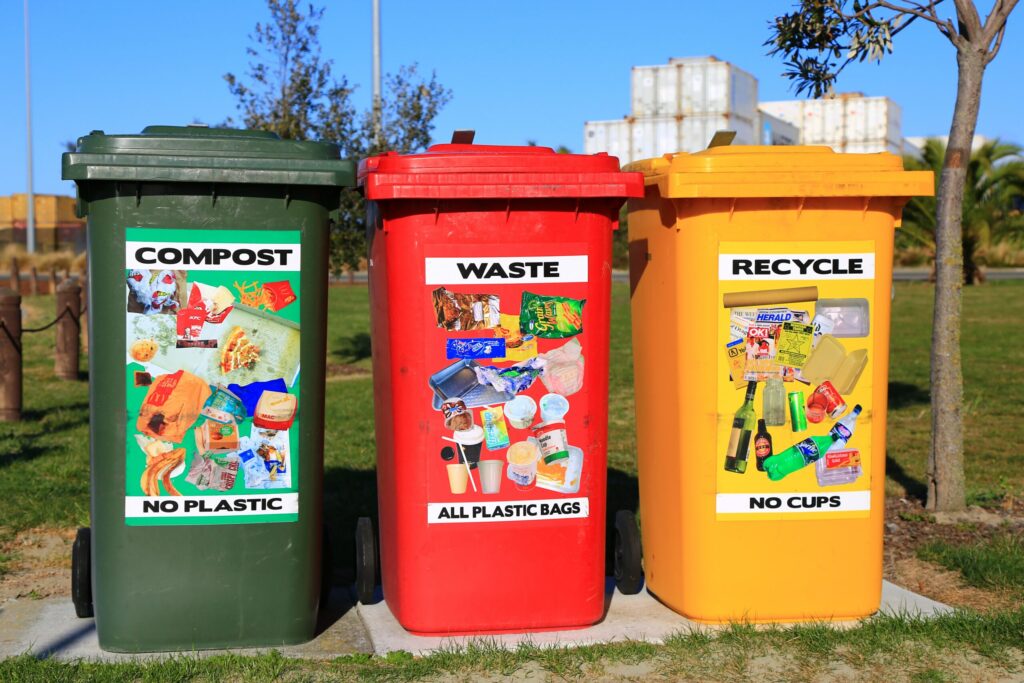
As we navigate the complexities of waste management, it’s essential to understand the fundamental differences between two distinct approaches: differential collection and selective collection. In this article, we’ll delve into the world of waste management, exploring the key factors that enable a successful transition from one approach to the other.
Differential Collection vs. Selective Collection
Differential collection is a traditional method where householders separate recyclable materials from non-recyclable waste. However, this approach has its limitations. The majority of collected materials often end up in landfills or incinerators, rather than being recycled. In contrast, selective collection involves the source separation of materials at their point of generation, typically by households or industries.
Selective collection is a more efficient and cost-effective method, as it reduces the need for sorting facilities and minimizes waste sent to landfills. By implementing this approach, communities can significantly reduce their environmental footprint while creating new economic opportunities in the recycling sector.
The Role of Community Involvement
One crucial factor that enables the transition from differential collection to selective collection is community involvement. A high level of cooperation between households, local authorities, and industry stakeholders is essential for the success of this approach. This collaborative effort involves education, awareness-raising, and the implementation of innovative solutions.
For instance, the European Union-funded project Life EMaRES (Enhanced Material Recovery and Environmental Sustainability for small-scale waste management systems) has been instrumental in promoting selective collection across Italy. This initiative aims to bridge the gap between Italy and other leading countries in waste management practices.
Key Components of Selective Collection
The success of selective collection relies on several key components, including:
- Innovative technologies: The implementation of cutting-edge recycling technologies, such as mechanical treatment and anaerobic-aerobic biological treatment, can significantly enhance the efficiency and sustainability of waste management.
- Ricimobile: A mobile waste collection vehicle designed to collect small electrical and electronic equipment (REEE), batteries, and used cooking oil, Ricimobile is an innovative solution for selective collection.
The Umbria Territory as a Case Study
The Umbria territory, specifically the integrated area of Perugia and its surrounding communes, has been chosen as the pilot site for Life EMaRES. This region’s unique characteristics, including high environmental quality and specific waste management challenges, make it an ideal location to test and refine selective collection practices.
Understanding Entropy: The Key to Efficient Waste Management
Entropy, or disorder, plays a critical role in determining the potential for material recycling. By reducing entropy through selective collection, innovative technologies, and other measures, communities can significantly increase their recycling rates and minimize waste sent to landfills.
In conclusion, the transition from differential collection to selective collection is a crucial step towards more sustainable waste management practices. By fostering community involvement, implementing innovative solutions, and embracing cutting-edge technologies, we can create a more circular economy that benefits both people and the planet.
Frequently Asked Questions (FAQs)
- What are the key differences between differential collection and selective collection?
- How does selective collection compare to traditional waste management practices?
- What role does community involvement play in the success of selective collection?
- What innovative technologies are being implemented in selective collection initiatives?
- How can individuals contribute to the transition from differential collection to selective collection?
- What is the impact of entropy on material recycling rates?
- Can selective collection be applied to all types of waste management systems?
- What opportunities arise for economic growth and job creation through selective collection?
Waste Management Challenges in Urban Areas
Urban areas face unique challenges in waste management, including high population densities, inadequate infrastructure, and limited resources. Selective collection can help alleviate these challenges by reducing the volume of waste sent to landfills and promoting recycling.
In urban areas, selective collection can be implemented through a variety of methods, including:
- Door-to-door collection: This approach involves collecting recyclable materials from households on a regular basis.
- Community recycling centers: These centers provide a central location for residents to deposit their recyclables, reducing the need for door-to-door collection.
The Benefits of Selective Collection
Selective collection offers numerous benefits, including:
- Reduced waste sent to landfills: By increasing recycling rates and minimizing waste sent to landfills, selective collection can help reduce greenhouse gas emissions and mitigate climate change.
- Economic opportunities: The recycling industry provides a range of economic opportunities, from employment in the sector to revenue generated through the sale of recyclable materials.
- Improved public health: By reducing the amount of waste sent to landfills, selective collection can help minimize the risk of disease transmission and improve overall public health.
Challenges and Limitations
While selective collection offers numerous benefits, it also faces challenges and limitations. These include:
- High upfront costs: Implementing selective collection requires significant investment in infrastructure, education, and outreach.
- Behavioral change: Selective collection requires a fundamental shift in behavior among households and industries, which can be challenging to implement.
- Regulatory frameworks: Existing regulatory frameworks may not support the implementation of selective collection, requiring changes to laws and policies.
Conclusion
The transition from differential collection to selective collection is a crucial step towards more sustainable waste management practices. By fostering community involvement, implementing innovative solutions, and embracing cutting-edge technologies, we can create a more circular economy that benefits both people and the planet.


