
Introduction
Dates have been a staple fruit in many cultures for thousands of years. Not only do they offer a sweet taste, but they also possess numerous health benefits due to their rich composition of minerals, vitamins, and antioxidants. In this article, we will delve into the world of dates, exploring their history, nutritional value, properties, and benefits.
What are Dates?
Dates are the fruit of the date palm tree (Phoenix dactylifera), which is native to Africa, Asia, and Europe. They can be consumed fresh or dried, providing a natural source of energy and satisfaction. Dates have been used for medicinal purposes since ancient times, particularly in Egypt, where they were considered a luxury item.
The History of Dates
Dates have been cultivated for over 3,000 years, with evidence of their use dating back to the Egyptian civilization around 2000 BCE. They were also highly valued by the Greeks and Romans, who used them as a source of energy during long journeys. Today, dates are grown in many parts of the world, including Africa, Asia, Europe, and North America.
Properties of Dates
Dates are rich in essential nutrients, including:
- Minerals: iron, potassium, magnesium, calcium, and zinc
- Vitamins: B1, B2, B3, B5, and vitamin C
- Carbohydrates: fructose, glucose, and sucrose
These nutrients provide numerous health benefits, including lowering cholesterol levels, improving digestion, and boosting energy.
Benefits of Dates
The benefits of dates are numerous and varied. Some of the most significant advantages include:
- Lowering Cholesterol: The high fiber content in dates helps lower LDL cholesterol levels, reducing the risk of heart disease.
- Improving Digestion: The prebiotic properties of dates help regulate gut bacteria, improving digestion and reducing symptoms of irritable bowel syndrome (IBS).
- Boosting Energy: Dates are a natural source of carbohydrates, providing sustained energy throughout the day.
- Supporting Eye Health: The high content of antioxidants in dates helps protect the eyes from damage caused by free radicals.
Calories and Nutritional Value
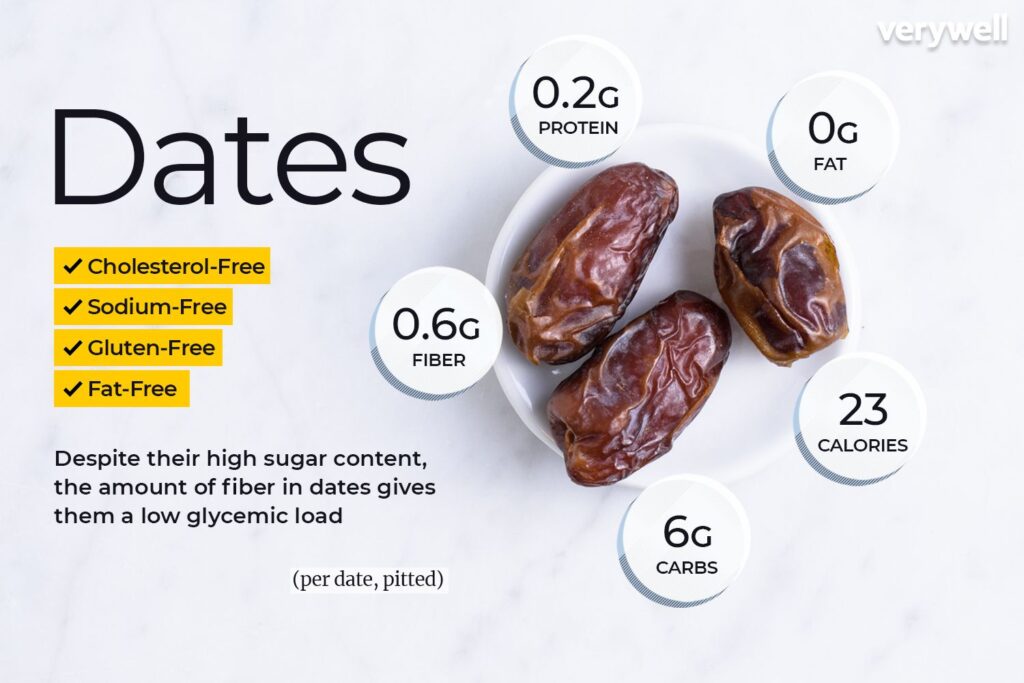
A 100-gram serving of dates contains approximately 250 calories. The breakdown is as follows:
- Carbohydrates: 60%
- Fiber: 8%
- Protein: 2.5%
- Fat: 0.7%
The remaining 30% of the calorie content comes from minerals, vitamins, and antioxidants.
Types of Dates
Dates can be classified into three main categories:
- Morbidi: Fresh dates that are soft and juicy
- Semimorbidi: Dates that are slightly firmer than morbidi but still have a soft texture
- Duri: Dry dates that are hard and dense
Using Dates in Cooking
Dates can be used in a variety of dishes, from sweet treats to savory meals. Some popular ways to use dates include:
- Adding them to oatmeal or yogurt for added sweetness
- Using them as a topping for salads or sandwiches
- Incorporating them into baked goods, such as cakes and cookies
- Making date syrup by boiling down fresh dates in water
Culinary Uses of Dates
Dates can be used in various forms and preparations:
- Dry: Dried dates can be added to trail mix, granola, or muesli for a natural sweetener.
- Stuffed: Dates can be filled with cheese, meat, or nuts for a unique snack.
- Smoothie: Dates can be blended into smoothies for an energy boost.
- Baked Goods: Dates can be used in cakes, cookies, and muffins to add natural sweetness.
Medicinal Properties of Dates
Dates have been used for medicinal purposes since ancient times. Some of the key properties include:
- Antioxidant: Dates contain high levels of antioxidants that help protect against cell damage.
- Anti-inflammatory: The phenolic acids in dates may have anti-inflammatory effects.
- Digestive Aid: Dates are a natural prebiotic, supporting gut health.
Cultural Significance of Dates
Dates hold cultural significance in many societies:
- Arabic Date Palm: In Arabic culture, the date palm tree is considered sacred and is often depicted in art.
- Medieval Trade: Dates were highly valued during medieval times for their sweet flavor and nutritional value.
- Moroccan Cuisine: Dates are a staple ingredient in Moroccan cuisine.
Conclusion
Dates are a nutrient-rich fruit that offers numerous health benefits due to their high content of minerals, vitamins, and antioxidants. Whether consumed fresh or dried, dates can be a valuable addition to a healthy diet.


