
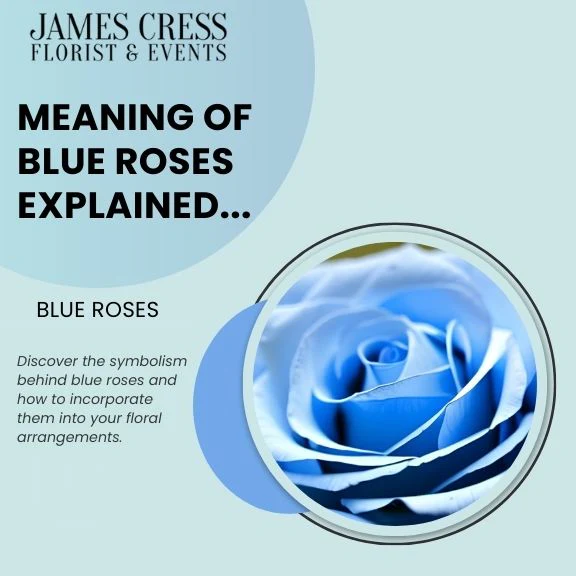
In the world of flowers, the language of roses is a complex and nuanced code that conveys emotions, feelings, and intentions. Among the many hues of roses, one stands out as the most elusive and sought-after: the blue rose. In this article, we’ll delve into the history, symbolism, and meaning behind the blue rose, exploring its significance in the language of flowers.
The Blue Rose: A Rare Bloom
Contrary to popular belief, there is no naturally occurring blue rose species. The bluish hue found in some roses is actually the result of genetic modification or dyeing. In 2004, scientists successfully engineered a blue rose using genetic modification techniques. However, these genetically modified organisms (GMOs) are not widely available, and their true nature has sparked debate among florists and enthusiasts.
The Art of Creating Blue Roses
So, how do you create a blue rose? The process involves dyeing white roses with a specialized ink or colorant. This technique requires patience and dedication, as the process can take up to 24 hours to achieve the desired result. To begin, you’ll need:
- Fresh white roses
- A suitable dye or colorant (such as Blu de Anilina or other water-soluble dyes)
- A container filled with water
The process involves soaking the rose in a mixture of water and dye, allowing it to absorb the color. The time required for this process varies depending on the type of dye used.
The Significance of Blue Roses
Traditionally, blue roses are associated with royalty and nobility due to their rarity and exclusivity. This symbolism extends beyond the flower itself, representing a desire for innovation and pushing boundaries. Blue roses also embody secrecy and discretion, making them an ideal choice for romantic gifts or special occasions.
In terms of personal characteristics, people who have blue roses in their lives may be introverted, enigmatic, and complex individuals with a strong sense of mystery. These traits make the blue rose an attractive symbol for those seeking to convey a deeper level of understanding and connection with others.
Interpreting Blue Roses
The meaning behind blue roses can vary depending on the shade used. Lighter blues may represent hope and optimism, while darker shades can signify caution or uncertainty. The subtle nuances in color can add depth and complexity to the symbolism, making each rose unique and personal.
Some possible interpretations of blue roses include:
- A symbol of the impossible: Blue roses are often seen as a reminder that even the most elusive goals can be achieved with determination and hard work.
- A representation of the subconscious: The blue color is often associated with the subconscious mind, making the blue rose a powerful symbol for self-discovery and introspection.
- A token of loyalty and commitment: In some cultures, blue roses are seen as a symbol of loyalty and commitment, representing a deep and abiding love.
In conclusion, the elusive blue rose holds a special place in the language of flowers. Through its rarity, exclusivity, and symbolic meaning, it conveys a desire for innovation, secrecy, and understanding. Whether given as a gift or cherished by the individual themselves, the blue rose represents the perfect blend of mystery and allure.
FAQs
- What does a blue rose symbolize?
- A blue rose typically represents hope, optimism, and the pursuit of innovation.
- How do you create a blue rose?
- The process involves dyeing white roses with a specialized ink or colorant.
- Can I grow my own blue roses?
- Currently, there is no naturally occurring blue rose species.
- What does the color of a blue rose signify?
- Lighter blues may represent hope and optimism, while darker shades can signify caution or uncertainty.
- Why are blue roses associated with royalty and nobility?
- This symbolism is rooted in their rarity and exclusivity, representing a desire for innovation and pushing boundaries.
- Can I give a blue rose as a gift?
- Yes, the blue rose can be used to convey a deeper level of understanding and connection with others.
- How do people interpret blue roses?
- The meaning behind blue roses can vary depending on the shade used, representing different emotions and intentions.
- What is the significance of blue roses in tattoo art?
- Blue roses often symbolize mystery, allure, and the pursuit of the impossible.
The Cultural Significance of Blue Roses
Blue roses have a special place in various cultures around the world. In some societies, they are seen as a symbol of love and devotion, while in others, they represent the unknown or the mysterious. The cultural significance of blue roses can vary depending on the context and the individual’s personal experiences.
Some possible cultural associations with blue roses include:
- In Japan: Blue roses are often associated with the concept of “mono no aware,” which refers to the sadness or melancholy of things passing away.
- In India: Blue roses are seen as a symbol of good luck and prosperity, representing the promise of a bright future.
- In ancient Greece: Blue roses were associated with the god of love, Aphrodite, who was often depicted holding a rose.
The cultural significance of blue roses can add depth and complexity to its symbolism, making it a more nuanced and multifaceted representation of human emotions and experiences.
Conclusion
The elusive blue rose holds a special place in the language of flowers. Through its rarity, exclusivity, and symbolic meaning, it conveys a desire for innovation, secrecy, and understanding. Whether given as a gift or cherished by the individual themselves, the blue rose represents the perfect blend of mystery and allure.
In conclusion, the blue rose is more than just a flower – it’s a symbol that can evoke strong emotions and convey deep meanings. Its rarity and exclusivity make it a highly sought-after object, while its symbolic meaning adds depth and complexity to its significance. Whether you’re looking to give a gift or simply appreciate the beauty of nature, the blue rose is sure to captivate and inspire.


