
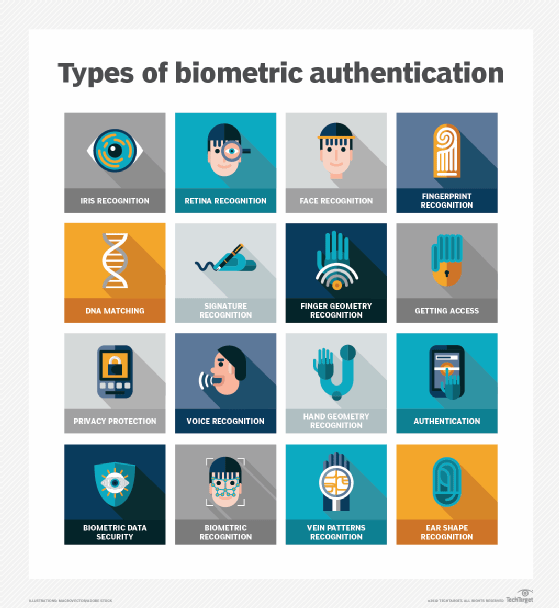
Biometry, in simple terms, refers to the use of technology to measure and analyze unique characteristics of an individual. These characteristics can include physical traits such as fingerprints, iris scans, and facial features, as well as behavioral patterns like speech and handwriting. With biometric data, we can create a detailed profile of who we are, what we do, and even what we love.
The Concerns Surrounding Biometry
As biometric technology advances, it’s natural to feel a sense of unease about the potential risks and implications. After all, with our personal data being collected and stored in vast databases, there’s always the possibility that someone could misuse this information or try to impersonate us. Can we truly trust these systems?
One of the primary concerns is the risk of identity theft and impersonation. With biometric data, it becomes increasingly difficult for individuals to disguise themselves or assume another person’s identity. This raises serious questions about privacy and security, particularly in high-stakes environments like financial transactions, national security, and healthcare.
Another concern is the potential for bias in algorithmic decision-making. Biometric systems can perpetuate existing social inequalities if they are not designed with fairness and equity in mind. For example, facial recognition technology has been shown to be less accurate for individuals with darker skin tones or other marginalized groups.
The Benefits of Biometry
On the other hand, biometric technology has the potential to revolutionize various aspects of our lives, from security and authentication to healthcare and personalization. Imagine being able to unlock your phone with a single glance, or having your identity verified without needing to remember complex passwords.
Biometry can also enhance our daily experiences by providing a more convenient and efficient way to access information and services. For instance, biometric payment systems like Apple Pay and Google Wallet use facial recognition technology to authenticate transactions, eliminating the need for PINs or passwords.
In addition, biometry has significant potential in healthcare, where it can be used to monitor patient health, track medical histories, and improve disease diagnosis and treatment. This can lead to more personalized and effective care, as well as improved patient outcomes.
Biometry in Medicine: Fetality and beyond
One of the earliest applications of biometric technology is in medical research, particularly when it comes to fetal development during pregnancy. Fetal biometry involves measuring the growth and development of a fetus through various methods, including ultrasound scans and other non-invasive techniques. This information can be crucial in monitoring the health and well-being of expectant mothers and their unborn children.
In addition to fetal biometry, biometric technology is also being used in medical diagnosis and treatment. For example, DNA analysis can be used to identify genetic markers associated with certain diseases or conditions, allowing for more targeted and effective treatments.
The Science Behind Biometric Technology
But how does it all work? Biometric technology relies on sophisticated algorithms and machine learning to analyze vast amounts of data from various sources, such as sensors, cameras, or even DNA samples. By matching this data against pre-existing profiles or patterns, biometric systems can accurately identify individuals and verify their identities.
The process typically involves several stages:
- Data collection: Biometric data is collected through various sensors and devices, such as fingerprint scanners, facial recognition software, or DNA analyzers.
- Data processing: The collected data is then processed using algorithms and machine learning techniques to extract relevant information.
- Pattern matching: The extracted data is matched against pre-existing profiles or patterns to verify the individual’s identity.
- Verification: If a match is found, the biometric system verifies the individual’s identity and allows access to authorized resources.
The Digital Age: A New Era for Biometry
As we navigate the digital age, it’s essential to consider the role of biometry in shaping our personal and professional lives. With the rise of smart devices, artificial intelligence, and data analytics, biometric technology is becoming increasingly integral to our daily experiences.
Biometry has also become a major driver of innovation in various industries, including healthcare, finance, and education. By leveraging biometric technologies like facial recognition, fingerprint scanning, or DNA analysis, businesses can enhance customer experience, improve security, and streamline processes.
The Future of Biometry: Possibilities and Concerns
As we look to the future, it’s clear that biometry will continue to evolve and expand its applications across various industries. However, we must also address the concerns surrounding data protection, privacy, and the potential misuse of this technology. By striking a balance between innovation and responsibility, we can unlock the full potential of biometric technology while ensuring its benefits are accessible to all.
Some possible future developments in biometry include:
- Increased use of artificial intelligence and machine learning to enhance accuracy and efficiency.
- Integration of biometric technologies with emerging fields like blockchain and quantum computing.
- Expansion into new applications, such as medical diagnosis and personalized medicine.
- Greater emphasis on data protection and privacy regulations.
Conclusion
Biometry is more than just a buzzword or a new technology; it’s a fundamental aspect of our humanity. As we continue to explore and develop this field, we must prioritize ethics, transparency, and accountability. By working together to create a secure, responsible, and inclusive biometric ecosystem, we can harness the power of biometry to improve our lives and shape a brighter future for generations to come.
Frequently Asked Questions (FAQs)
- What is the difference between biometry and other forms of identification?
Biometry uses unique physical or behavioral characteristics to verify an individual’s identity, whereas traditional methods like passwords or ID cards rely on memorized information or external verification. - How accurate are biometric systems in identifying individuals?
The accuracy of biometric systems depends on various factors, including the type of data used (e.g., facial recognition vs. fingerprint scanning), quality of equipment, and software algorithms. - What are the potential risks associated with biometric technology?
Common concerns include data breaches, identity theft, bias in algorithmic decision-making, and misuse of personal data for malicious purposes. - Can biometric technology be used for good or evil?
Like any powerful tool, biometry can be employed both positively (e.g., enhancing security and convenience) and negatively (e.g., perpetuating surveillance or discrimination). - How do we balance the benefits of biometry with concerns about privacy and data protection?
By implementing robust data governance frameworks, ensuring transparency in data collection and use, and fostering public awareness and engagement, we can create a more responsible and inclusive biometric ecosystem. - What is the future of biometry in healthcare and beyond?
Advances in areas like machine learning, AI, and sensor technology will continue to drive innovation in biometry, enabling new applications in fields such as medicine, finance, and education. - Can biometry be used for malicious purposes (e.g., identity theft or surveillance)?
While not the primary intention of most biometric systems, there is always a risk that data could be misused or compromised. It’s essential to prioritize robust security measures and data protection standards. - How can individuals protect themselves from potential misuse of biometric technology?
By staying informed about biometric technologies, exercising caution when using these systems, and advocating for responsible development and deployment practices, we can ensure that the benefits of biometry are equitably distributed.


