
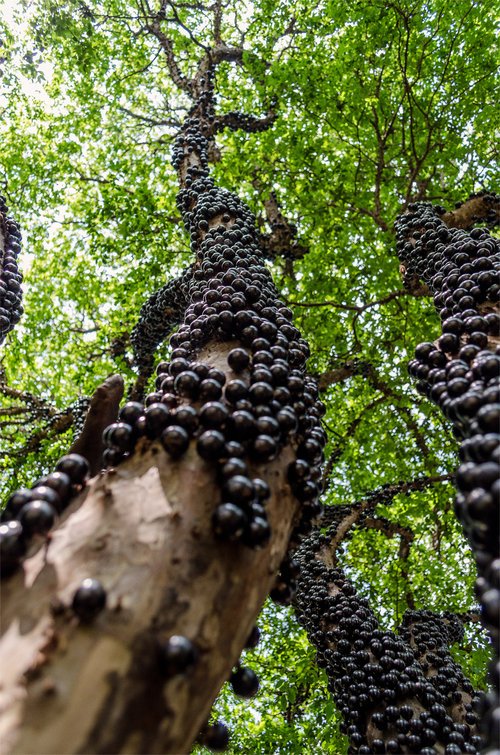
As we wander through the lush gardens and orchards, it’s hard not to be mesmerized by the unique characteristics of the jabuticaba tree. Its branches seem to grow out of the trunk like a fantastical, whimsical tale. But, in reality, this is just a description of the plant’s remarkable appearance.
What is Jabuticaba?
The jabuticaba (Myrciaria cauliflora) is a fruit-bearing tree native to Brazil, specifically from the southern regions of the country. Its Portuguese name translates to “Brazilian Grape Tree,” which hints at its origin. Botanists refer to it as Myrciaria cauliflora.
The Jabuticaba Tree: A Slow-Growing Giant
This remarkable tree is often cultivated for its juicy, exotic fruit, which is highly prized for its unique flavor and aroma. The jabuticaba thrives in humid climates with specific soil conditions, making it a bit challenging to grow. However, the wait is worth it, as the tree can take several years to mature.
Fascinating Flowering Habits
The jabuticaba tree produces small, white flowers that bloom twice a year on the trunk itself. These delicate blooms are an attractive sight, especially when the entire tree is adorned with them. The flowers are followed by the development of the fruit, which grows in abundance during certain periods.
Unveiling the Jabuticaba Fruit
The jabuticaba fruit resembles small grapes and has a vibrant purple color. Its unique shape and size make it an attractive addition to various culinary creations. The fruit can be used to produce jams, juices, wines, and other beverages, showcasing its versatility.
Beyond Human Consumption: Animal Benefits
Besides being a valuable food source for humans, the jabuticaba tree is also a favorite among animals. Its seeds are dispersed through animal consumption, allowing them to propagate in new areas.
Exploring Jabuticaba’s Medicinal Properties
Research has uncovered the jabuticaba’s potential as a natural remedy for various ailments, such as asthma and diarrhea. The fruit’s peel has been found to have anti-inflammatory properties, making it a promising area of study for further research.
Unlocking the Anticancer Potential
Some studies are underway to investigate the jabuticaba’s possible anticancer effects. While results are still inconclusive, this fruit may hold promise in the fight against cancer.
Jabuticaba’s Nutritional Profile
The jabuticaba is an excellent source of vitamins C and B1, as well as various minerals like iron, phosphorus, and calcium. Some researchers have noted similarities between the jabuticaba and mirtilli in terms of nutritional content.
Preparation Methods for Jabuticaba
Jabuticaba is often used to make jams, juices, and other sweet treats. However, it can also be fermented to produce wines and liqueurs, such as caipirinha, a popular Brazilian cocktail.
Where to Find Jabuticaba in Italy?
Due to its unique climate requirements, finding fresh jabuticaba fruit in Italy is challenging. However, some Sicilian farms have successfully cultivated the tree, producing limited quantities of fruit.
Growing Your Own Jabuticaba Tree
If you’re interested in growing a jabuticaba tree, be sure to purchase seeds from reputable sources and follow proper cultivation procedures. Keep in mind that the tree requires well-draining soil, high humidity, and regular watering to thrive.
Sowing Jabuticaba Seeds: A Delicate Process
Seeds of the jabuticaba tree are available for purchase on online platforms like Amazon. To ensure successful germination, it’s essential to provide optimal growing conditions, including a warm, humid environment and fertile soil with a pH neutral level.
Acquiring a Jabuticaba Tree: A Rare Delight
If you’re lucky enough to find a jabuticaba tree for sale, be prepared for a unique experience. These trees can grow up to 10 meters tall, with impressive foliage and a sprawling canopy covering an area of up to 20 meters.
Frequently Asked Questions (FAQs)
- What is the average lifespan of a jabuticaba tree?
The jabuticaba tree can live for around 100 years in ideal conditions.
2. Can I grow a jabuticaba tree indoors?
While it’s possible to grow a jabuticaba tree indoors, it requires a controlled environment with high humidity and warm temperatures.
3. What are the benefits of consuming jabuticaba fruit?
The jabuticaba fruit is rich in vitamins C and B1, as well as minerals like iron, phosphorus, and calcium, making it an excellent addition to a healthy diet.
4. Can I use jabuticaba seeds for medicinal purposes?
While some studies suggest potential health benefits, more research is needed to fully understand the effects of jabuticaba seeds on human health.
5. Is jabuticaba tree cultivation challenging?
Yes, the jabuticaba tree requires specific growing conditions, including high humidity and well-draining soil, making it a bit challenging to cultivate.
6. Can I make wine or liqueurs from jabuticaba fruit?
Yes, jabuticaba fruit can be fermented to produce wines and liqueurs, such as caipirinha.
7. Where is the best place to buy jabuticaba seeds?
Reputable online platforms like Amazon offer jabuticaba seeds for purchase.
8. Can I use jabuticaba tree for shade or ornamental purposes?
Yes, the jabuticaba tree can provide excellent shade and serve as a beautiful ornamental addition to any garden or landscape.
The Cultural Significance of Jabuticaba in Brazil
In Brazil, the jabuticaba tree is an integral part of local culture. The fruit is often used in traditional medicine, and the tree’s unique shape has inspired various art forms, such as sculptures and paintings.
Conservation Efforts for Jabuticaba Trees
Due to habitat loss and climate change, conservation efforts are underway to protect jabuticaba trees and their habitats. Organizations like the Brazilian Institute of Forests (IBDF) are working to restore native forests and promote sustainable agriculture practices.
The Economic Potential of Jabuticaba
The demand for jabuticaba fruit is growing, with some countries investing in large-scale cultivation projects. However, challenges persist due to limited market access and transportation infrastructure. To address these issues, entrepreneurs are exploring innovative solutions, such as cold storage facilities and specialized transportation services.
Jabuticaba’s Unique Flavor Profile
The flavor profile of jabuticaba fruit is often described as a combination of pineapple, strawberry, and citrus flavors. This unique taste has made the fruit popular among chefs and foodies worldwide.
The Health Benefits of Jabuticaba Fruit
Research on the health benefits of jabuticaba fruit is ongoing, but preliminary findings suggest that it may have anti-inflammatory properties, improve cardiovascular health, and even help manage blood sugar levels.
Culinary Uses for Jabuticaba Fruit
Jabuticaba fruit can be used in a variety of culinary applications, from baked goods to salads. Its sweet-tart flavor makes it an excellent addition to desserts, smoothies, and sauces.
Jabuticaba’s Potential as a Natural Dye
The jabuticaba tree’s bark contains natural pigments that can be used to create sustainable dyes for textiles, paper, and other materials.
Conclusion
The jabuticaba tree is an incredible example of nature’s diversity and complexity. Its unique characteristics, nutritional profile, and potential health benefits make it a fascinating subject of study and exploration. As we continue to learn more about this extraordinary fruit, we may uncover new uses for its seeds, bark, and leaves, ultimately contributing to the preservation of our planet’s precious biodiversity.
Future Research Directions
Further research is needed to fully understand the jabuticaba tree’s potential as a natural remedy for various ailments. Some promising areas of investigation include:
- Anti-inflammatory properties: The fruit’s peel has been found to have anti-inflammatory properties, making it a promising area of study.
- Anticancer effects: Some studies are underway to investigate the jabuticaba’s possible anticancer effects.
- Nutritional content: Researchers are exploring the nutritional profile of jabuticaba fruit, including its vitamin and mineral content.
- Medicinal uses: More research is needed to fully understand the potential medicinal uses of jabuticaba seeds and bark.
Conclusion
The jabuticaba tree is an extraordinary example of nature’s diversity and complexity. Its unique characteristics, nutritional profile, and potential health benefits make it a fascinating subject of study and exploration. As we continue to learn more about this incredible fruit, we may uncover new uses for its seeds, bark, and leaves, ultimately contributing to the preservation of our planet’s precious biodiversity.


