
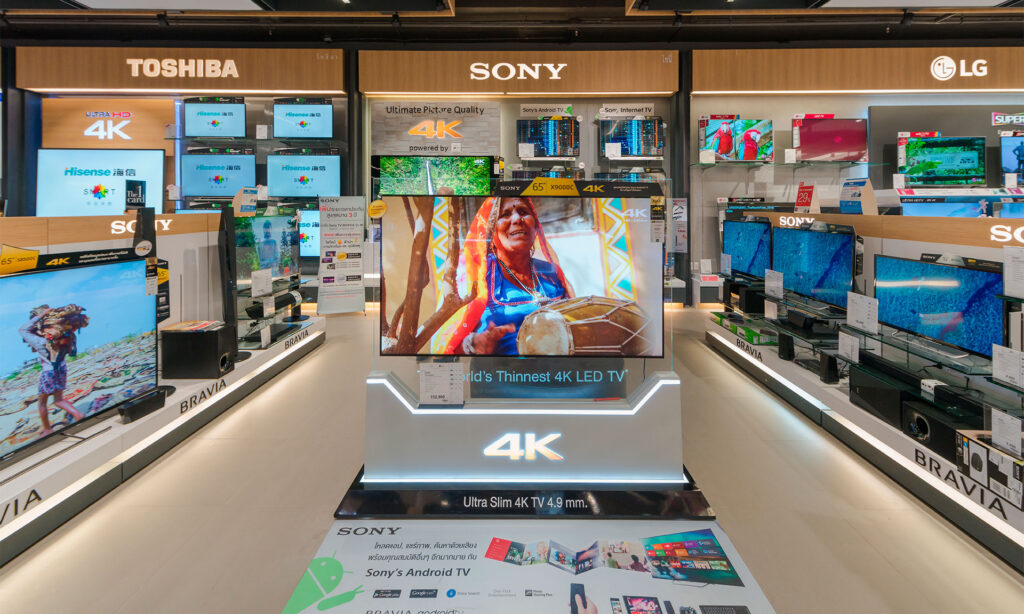
Yes, you read that right – the new digital terrestrial broadcasting system is coming, but we strongly advise against buying a new TV just yet. In this article, we’ll break down everything you need to know about the DTB system and why it’s best to wait before making a purchase.
What is the New Digital Terrestrial Broadcasting (DTB) System?
The DTB system is a new way of transmitting television channels over digital terrestrial networks, replacing the old MPEG-2 standard with more efficient ones like MPEG4 and HEVC. The goal is to provide better image quality and free up bandwidth for mobile communications.
Why Was the New Standard Decided?
There are two main reasons for the switch: to improve image quality and to allocate more bandwidth for mobile networks. The new HEVC standard is capable of delivering better video quality while using less bandwidth, making it an ideal choice for broadcasting.
What Does the Transition Mean for TV Owners?
The transition to the new DTB system means that older TVs (pre-2017) will no longer be able to receive the new signal. However, there’s good news: if you have a compatible TV, you can continue using it until June 2022, when the switch-off to the old system occurs.
How Can You Check if Your TV is Compatible?
If your TV supports high definition (HD) with HDR or has a resolution of UHD or 4K, you’re good to go! To confirm, try entering the numbers 100 or 200 on your remote control to visit pre-set test channels provided by RAI and Mediaset. If you see the “Test HEVC Main10” message, your TV is compatible.
What About Older TVs?
While it’s possible that some older TVs might still work with the new signal after June 2022, there’s uncertainty about the format used at that time (8-bit or 10-bit). To avoid any potential issues, it’s best to wait and see what happens before making a decision.
What Should You Do if Your TV is Compatible?
If your TV is already compatible, simply re-tune all channels by June 2022. We recommend doing this early on to avoid last-minute configuration issues.
Bonus TV: What’s the Deal with This New Feature?
The government has announced a bonus scheme for families with low incomes (up to €20,000) who purchase new TVs or decoders that support the new DTB system. The bonus is up to €50 and will be refunded through the tax office.
Decoder Prices: Are They Worth It?
Decoder prices vary from €30 to €250, but you can get a good quality decoder for around €31.99 (Strom on Amazon). This might be an attractive option if you don’t want to spend too much on a new TV.
Why You Shouldn’t Buy a New TV Now
There are several reasons why it’s best to wait before buying a new TV:
- The transition period will last for over a year, giving you plenty of time to decide.
- Older TVs might still work with the new signal after June 2022, so there’s no rush.
- You can spend less money by waiting and buying a new TV later in the year or during sales.
Additional Benefits of Waiting
Waiting to buy a new TV also gives you an opportunity to:
- Research and compare different models before making a purchase
- Take advantage of sales and discounts that may become available after the transition period ends
- Consider purchasing a used or refurbished TV, which can be a cost-effective option
The Pros and Cons of Buying a New TV Now
While it might seem tempting to buy a new TV now, there are some drawbacks to consider:
Pros:
- You’ll have access to the latest technology and features
- You’ll be able to watch your favorite shows in high definition with improved picture quality
- You may be eligible for the bonus scheme if you’re a low-income family
Cons:
- Older TVs (pre-2017) will no longer be able to receive the new signal, which means they’ll become obsolete soon after purchase.
- There’s uncertainty about the format used at the time of transition (8-bit or 10-bit), which could lead to compatibility issues in the future.
Alternative Options
If you’re not ready to buy a new TV yet, there are alternative options to consider:
- Use an older TV with a decoder that supports the new DTB system
- Consider purchasing a used or refurbished TV, which can be a cost-effective option
- Look into renting or leasing a new TV for a shorter period of time
Conclusion
The new digital terrestrial broadcasting system is coming, but it’s not essential to buy a new TV just yet. By understanding what the transition means for TV owners and waiting until the right moment, you’ll avoid unnecessary expenses and get the best value for your money.
FAQs
- What is the exact date of the switch-off?
The transition will take place gradually over an extended period, starting from September 2021. - Can I still use my old TV after June 2022?
While it’s possible that some older TVs might still work with the new signal, there’s uncertainty about the format used at that time (8-bit or 10-bit). - How do I know if my TV is compatible with the new DTB system?
Try entering the numbers 100 or 200 on your remote control to visit pre-set test channels provided by RAI and Mediaset. - Can I get a refund for my old decoder?
Yes, you can claim a refund through the tax office as part of the bonus scheme. - What are the requirements for accessing the Bonus TV scheme?
You’ll need to provide your ID, proof of income, and the product details on the website of the tax authority (Agenzia delle Entrate). - How much does a decoder cost?
Prices range from €30 to €250, but you can get a good quality decoder for around €31.99. - Can I use an older TV with a compatible decoder?
It’s possible that some older TVs might still work with the new signal after June 2022, but there’s uncertainty about the format used at that time (8-bit or 10-bit). - What are the benefits of waiting to buy a new TV?
You’ll avoid unnecessary expenses and get the best value for your money by waiting until the right moment.
Additional Tips
- Keep an eye on the news and updates from the government and broadcasting authorities to stay informed about the transition.
- Research different decoders and TVs to find the best option for your needs and budget.
- Consider consulting with a TV expert or audiophile to get personalized advice on choosing the right TV for you.


