
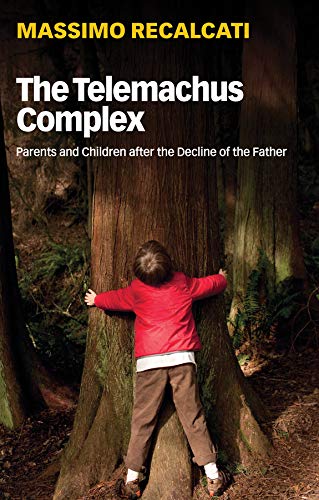
As we navigate our lives, it’s easy to overlook the complex emotions and dynamics at play within parent-child relationships. One such dynamic is the “Complex of Telemachus,” a concept introduced by renowned psychologist Massimo Recalcati. This article will delve into the world of Telemachus, exploring what this complex entails, its historical context, and how it can be applied to our modern lives.
What is the Complex of Telemachus?
The Complex of Telemachus revolves around the relationship between a father and son, where the son looks up to his father as a role model and source of guidance. This dynamic is distinct from other complexes like Edipo, where the son sees the father as a rival or competitor. Instead, the son with Telemachus complex waits for the father’s return, seeking validation and direction.
A Reference to Homer’s Odyssey
The Complex of Telemachus has its roots in Homer’s Odyssey, where Telemachus is described as awaiting the return of his father, Ulisse. Unlike Edipo, who seeks to overthrow his father, Telemachus desires guidance and wisdom from his father. This contrast highlights the unique nature of the Telemachus complex.
Massimo Recalcati’s Insights
In his book “Il complesso di Telemaco. Genitori e figli dopo il tramonto del padre,” Recalcati explores the complexities of parent-child relationships, including the Telemachus complex. He argues that today’s children often lack a clear understanding of their parents’ roles and responsibilities, leading to confusion and uncertainty.
A Positive and Constructive Approach
Recalcati views the Telemachus complex as an opportunity for positive growth and development. By examining this dynamic, we can gain insight into how to cultivate healthy relationships between parents and children, fostering a sense of responsibility and cooperation.
The Importance of Paternal Guidance
In today’s society, many young people are struggling with unclear expectations from their parents or lack of guidance altogether. The Telemachus complex serves as a reminder that paternal guidance is essential for a child’s emotional and psychological development.
A Modern Relevance
As we navigate our increasingly individualistic and technology-driven lives, the need for positive role models and clear guidance has never been more pressing. By understanding the Complex of Telemachus, we can learn to recognize and address these needs in our own relationships and those around us.
The Impact on Parent-Child Relationships
The Telemachus complex highlights the importance of open communication, empathy, and emotional intelligence in parent-child relationships. When parents are willing to listen to their children’s concerns and provide guidance, it can lead to a deeper understanding and trust between generations.
Navigating the Complexities of Modern Parenting
In today’s fast-paced world, modern parenting is often characterized by increased stress, pressure, and uncertainty. The Telemachus complex serves as a reminder that clear communication and boundaries are essential in establishing healthy relationships with our children.
Breaking Down Barriers to Effective Communication
The Telemachus complex underscores the need for effective communication between parents and children. By creating a safe and open environment where children feel comfortable sharing their thoughts and feelings, we can foster healthier relationships and promote emotional intelligence.
Building Resilience in Children
The Telemachus complex highlights the importance of resilience-building strategies in childhood development. When children are able to navigate challenges with confidence and support from parents, it lays a strong foundation for long-term emotional well-being.
Understanding Parental Expectations
The Complex of Telemachus also emphasizes the need for parents to have clear expectations and boundaries when interacting with their children. By establishing guidelines and communicating these expectations effectively, parents can help children develop a sense of responsibility and self-regulation.
Parenting Styles and the Telemachus Complex
Different parenting styles can influence the development of the Telemachus complex in children. For example, authoritative parenting approaches that balance warmth and structure may promote healthy relationships between parent and child.
Cultural Influences on Parent-Child Relationships
Cultural influences can also impact the expression of the Telemachus complex. Different cultures place varying emphasis on paternal guidance, social norms, and family values, which can shape the dynamics between parents and children.
Conclusion
The Complex of Telemachus offers a unique perspective on parent-child relationships, highlighting the importance of paternal guidance, validation, and communication. By understanding this dynamic and applying its principles to our modern lives, we can cultivate healthier, more positive relationships between generations.
Frequently Asked Questions (FAQs)
- What is the Complex of Telemachus?
The Complex of Telemachus refers to a parent-child relationship where the son looks up to his father as a role model and source of guidance, awaiting validation and direction from him.
- How does this complex differ from other complexes like Edipo?
The Telemachus complex differs from Edipo’s complex in that it involves a desire for guidance rather than competition or rivalry between parent and child.
- What is the historical context behind the Complex of Telemachus?
The concept of the Telemachus complex has its roots in Homer’s Odyssey, where Telemachus is described as awaiting his father’s return.
- How does Massimo Recalcati view the Telemachus complex?
Recalcati views the Telemachus complex as an opportunity for positive growth and development, highlighting its importance in fostering healthy relationships between parents and children.
- What is the significance of paternal guidance in today’s society?
Paternal guidance is essential for a child’s emotional and psychological development, and its absence can lead to confusion and uncertainty.
- How can understanding the Complex of Telemachus benefit individuals?
Understanding the Complex of Telemachus can help individuals recognize the importance of positive role models and clear guidance in their own relationships and those around them.
- Can the Complex of Telemachus be observed in modern society?
Yes, the Complex of Telemachus is still observable in modern society, particularly among young people who are struggling with unclear expectations from their parents or lack of guidance altogether.
- What can individuals do to cultivate healthy relationships based on the Telemachus complex?
To cultivate healthy relationships based on the Telemachus complex, individuals should strive to provide clear guidance and validation to their children, while also seeking out positive role models in their own lives.


