
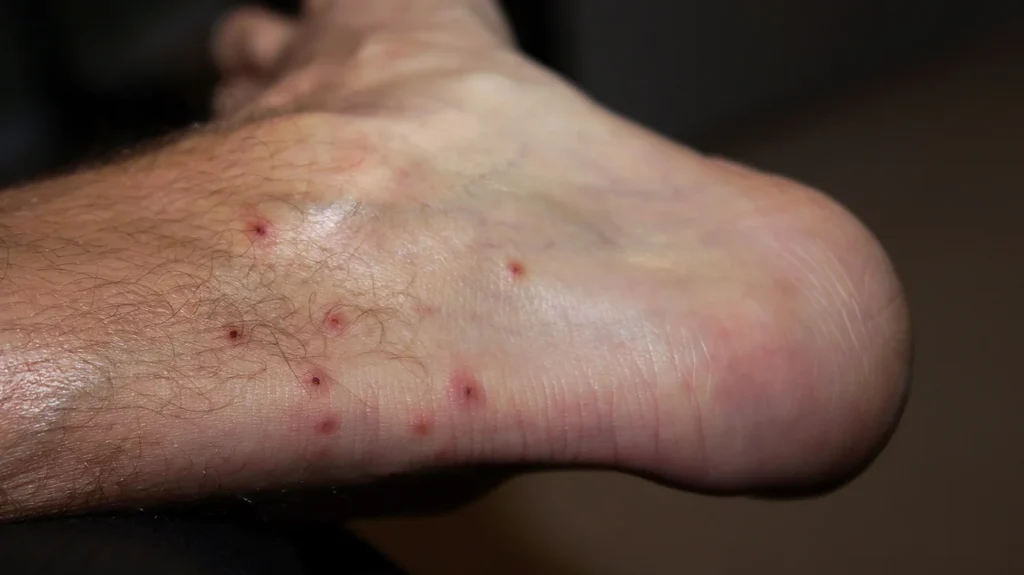
As we go about our daily lives, it’s easy to overlook the tiny creatures that share our space. But for those who suffer from allergies or sensitivities, these microscopic pests can cause significant discomfort. In this article, we’ll delve into the world of acaroids, explore their habits, and discuss how to recognize and treat their bites.
What are Acari?
Acari, also known as mites or dust mites, are tiny arachnids that live in almost every environment. They’re not visible to the naked eye, but they feed on human skin cells, making them a common allergen. With millions of acari present in every home, it’s no wonder they can cause allergies and other issues.
Types of Acari
There are over 46,000 known species of acari, but only a few dozen are considered pests. The most common types of acari that cause allergies include:
- Dust mites (Dermatophagoides farinae and Dermatophagoides pteronyssinus): These tiny creatures live in bedding, carpets, and upholstered furniture.
- Carpet beetles: These insects feed on keratin-based materials like wool, silk, and fur.
- Book lice: Also known as paper mites, these acari feed on cellulose-based materials like paper and wood.
Suffering from Acaroid Allergies? What are Your Symptoms?
If you suspect an acaroid allergy, you may experience mild symptoms such as redness, itching, and swelling around the bite area. However, for some people, these bites can trigger more severe reactions like:
• Red, itchy eyes
• Runny nose
• Coughing
• Sore throat
• Skin rashes or hives
If you have a history of allergies or asthma, it’s essential to consult with your doctor to determine if an acaroid allergy is the culprit.
Identifying Acari Infestations
Recognizing an acari infestation can be challenging, but there are some signs to look out for:
- Tiny white specks or dust-like particles on surfaces (dust mites)
- Holes in carpets or upholstery
- Small insects crawling on surfaces (carpet beetles or book lice)
- Presence of feces or egg sacs on surfaces
Treating Acaroid Bites
Fortunately, most bites from acari don’t require medical attention. However, for those who experience severe symptoms, decongestants and antihistamines can help alleviate some of the discomfort.
In addition to these remedies, your doctor may prescribe:
• Steroids to reduce inflammation
• Leukotriene inhibitors to block allergic reactions
Natural Remedies for Acaroid Allergies
If you’re looking for alternative treatments, consider trying:
- Oatmeal baths: Oatmeal has anti-inflammatory properties that can help soothe itchy skin.
- Apple cider vinegar: Adding apple cider vinegar to bath water or using it as a topical treatment may help reduce itching and inflammation.
- Tea tree oil: This essential oil has antiseptic and anti-inflammatory properties, but use it with caution due to its strong scent.
Preventing Acaroid Bites
To avoid an acaroid allergy or reaction, limit your exposure to these pesky creatures. Here are some practical tips to get you started:
• Use mattress covers and encase furniture in airtight containers
• Choose synthetic bedding materials
• Maintain low humidity levels (less than 50%) with dehumidifiers or air conditioners
• Remove plush toys from circulation or wash them regularly
• Wash bedding in hot water and dry with ironing
• Consider replacing carpets with hardwood or tile flooring
Understanding Acaro del Legno
While acari are the primary culprits, another type of arachnid can cause skin irritation: Acaro del legno (also known as wood mites). These tiny creatures can lead to a dermatitis-like reaction, usually appearing 12-24 hours after exposure.
Symptoms of Acaro del Legno include:
• Redness and itching around the affected area
• Blisters or bumps on the skin
• General malaise, fever, diarrhea, or vomiting (in rare cases)
Keep in mind that these bites are often misdiagnosed as other allergies or conditions, so if you suspect an Acaro del Legno allergy, consult with your doctor.
Symptoms vs. Causes
To avoid confusing symptoms with causes, keep the following points in mind:
- Allergic reactions can cause itching, redness, and swelling.
- Acari bites can also cause skin irritation, but it’s usually less severe than allergic reactions.
- Other conditions like eczema or psoriasis may cause similar symptoms.
Conclusion
While acaroid pests can be a nuisance, understanding their habits and symptoms is key to preventing reactions. By following our practical tips and consulting with your healthcare professional, you can minimize the impact of these tiny creatures on your life.
Frequently Asked Questions (FAQs)
- How do I know if I have an acaroid allergy?
If you experience severe itching, swelling, or difficulty breathing after a bite, consult with your doctor to determine the cause. - What are the best ways to prevent acaroid bites?
Use mattress covers, synthetic bedding materials, and maintain low humidity levels to minimize exposure. - Can I treat Acaro del Legno at home?
Yes, decongestants and antihistamines can help alleviate symptoms. However, if your doctor diagnoses an Acaro del Legno allergy, they may prescribe steroids or other medications. - How do I recognize the signs of a severe reaction?
Look out for difficulty breathing, swelling of the face or lips, dizziness, or nausea. - Can children get acaroid allergies?
Yes, children can develop acaroid allergies, especially those with pre-existing conditions like eczema or asthma. - Are all types of bites from Acaro del Legno painful?
No, most bites are not painful, but some people may experience intense itching and discomfort. - Can I use over-the-counter medications to treat acaroid bites?
Yes, decongestants and antihistamines can help alleviate symptoms. However, consult with your doctor before taking any medication.
Remember, if you suspect an acaroid allergy or reaction, don’t hesitate to reach out to your healthcare professional for guidance and support.


