
Introduction
When it comes to traditional building materials, few have stood the test of time like grassello di calce, a type of natural lime plaster used for centuries in Italy. This article will delve into the world of grassello di calce, exploring its history, benefits, and applications.
What is Grassello di Calce?
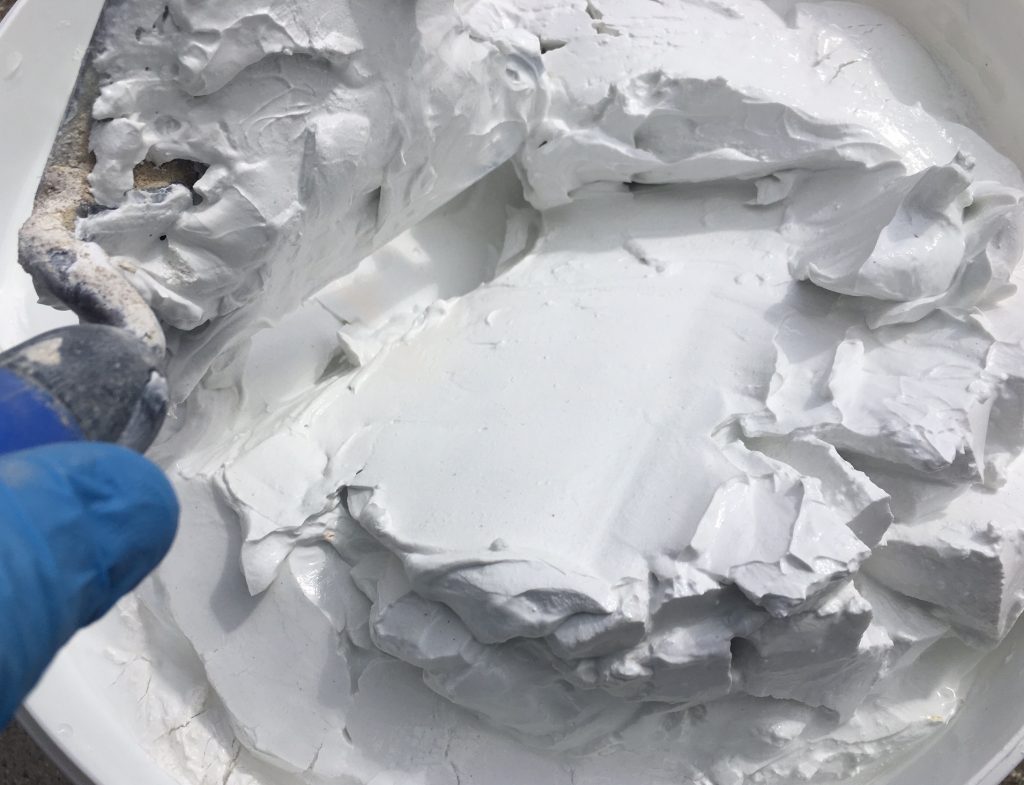
Grassello di calce is a type of natural plaster made from hydrated lime, also known as idrossido di calcio. It’s created by mixing lime with water, resulting in a workable paste that can be applied to walls, ceilings, and other surfaces.
The Importance of Natural Materials
In the age of modern construction methods, it’s easy to forget the value of traditional materials like grassello di calce. However, these natural products offer numerous benefits, including:
- Environmental sustainability: Grassello di calce is made from natural materials, reducing the carbon footprint associated with industrial manufacturing processes.
- Aesthetic appeal: The unique texture and patina of grassello di calce add character to any building, creating a sense of warmth and history.
History of Grassello di Calce
Grassello di calce has been used in Italy for centuries, dating back to the ancient Romans. The material was originally derived from burnt limestone, which was mixed with water to create a workable paste. Over time, the process evolved to use hydrated lime instead, resulting in a more durable and versatile product.
Production Process
To produce grassello di calce, ciottoli (small stones) are first crushed into a fine powder. This powder is then mixed with water to create a slurry, which is later applied to surfaces using a variety of techniques, including brushing, troweling, or pouring.
The mixing process involves combining the hydrated lime with water in a specific ratio to achieve the desired consistency. The mixture is then kneaded and molded into a workable paste, which can be applied to surfaces immediately or stored for later use.
Applications and Benefits
Grassello di calce has numerous applications in construction, including:
- Pittura: Grassello di calce is used as a base coat in paint, providing a smooth, even surface for subsequent layers.
- Intonaci: The material is applied to walls and ceilings using a variety of techniques, creating a durable, decorative finish.
- Stucchi: Grassello di calce is often combined with other materials to create intricate, textured designs.
The Benefits of Grassello di Calce
In addition to its aesthetic appeal, grassello di calce offers several practical benefits, including:
- Breathability: The material allows for airflow and moisture transfer, reducing the risk of mold and mildew.
- Durability: Grassello di calce is highly resistant to wear and tear, making it an ideal choice for high-traffic areas.
Sustainability and Environmental Impact
While grassello di calce has a number of benefits, its production process does have an environmental impact. The use of hydrated lime requires energy and resources, and the transportation of materials can contribute to greenhouse gas emissions.
However, many companies are now exploring ways to reduce the environmental footprint of grassello di calce production, including:
- Sustainable sourcing: Using locally sourced materials reduces transportation costs and carbon emissions.
- Eco-friendly manufacturing processes: Implementing energy-efficient equipment and reducing waste minimizes the material’s environmental impact.
Conclusion
Grassello di calce is a unique and versatile natural material with a rich history and numerous benefits. From its aesthetic appeal to its practical advantages, grassello di calce is an excellent choice for builders and architects looking to create sustainable, beautiful buildings.
Frequently Asked Questions
- What is the difference between grassello di calce and stucco?
Grassello di calce is a type of natural plaster made from hydrated lime, while stucco is a more industrialized material composed of cement, sand, and water. - Is grassello di calce suitable for outdoor use?
Yes, grassello di calce can be used outdoors, but it requires special preparation and application to ensure its durability and resistance to the elements. - Can grassello di calce be mixed with other materials?
Yes, grassello di calce can be combined with other natural materials, such as lime putty or sand, to create a wide range of textures and finishes. - Is grassello di calce breathable?
Yes, grassello di calce is highly permeable, allowing for airflow and moisture transfer, which reduces the risk of mold and mildew. - How long does it take to apply grassello di calce?
The application time for grassello di calce varies depending on the surface area and the desired finish, but typically ranges from a few hours to several days. - Can I paint over grassello di calce?
Yes, grassello di calce can be painted over using a variety of paints, including natural pigments or water-based coatings. - Is grassello di calce suitable for high-traffic areas?
Yes, grassello di calce is highly durable and resistant to wear and tear, making it an ideal choice for high-traffic areas such as hallways, corridors, and entryways.
By understanding the benefits and applications of grassello di calce, builders, architects, and homeowners can create beautiful, sustainable buildings that showcase this unique natural material.


