
As we age, our bodies undergo various changes that can affect our overall health and vision. One crucial aspect of maintaining good eye health is understanding the role of lutein in our diet. In this article, we will delve into the world of lutein, exploring its properties, benefits, food sources, and how to incorporate it into your daily routine.
What is Lutein?
Lutein is a naturally occurring compound found in various foods, particularly in leafy greens, eggs, and some vegetables. It belongs to the xanthophyll family of pigments, which are liposoluble and play a vital role in protecting our eyes and skin from damage.
The Importance of Lutein
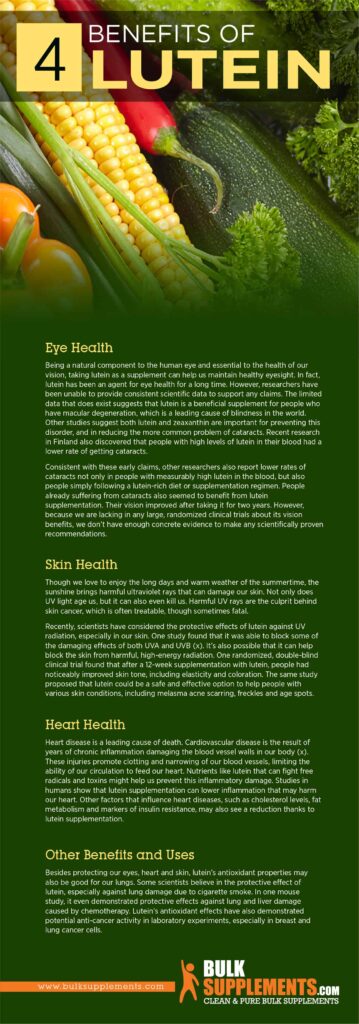
Lutein is essential for maintaining good eye health, especially as we age. Its primary function is to absorb blue light naturally occurring in sunlight, which can cause damage to the retina. This property makes lutein an effective tool in preventing macular degeneration and cataracts.
Macular Degeneration: A Growing Concern
Macular degeneration is a condition that affects millions of people worldwide, particularly those over 65 years old. It causes progressive loss of vision, leading to irreversibility if left untreated. Research has shown that lutein plays a crucial role in preventing this condition by protecting the retina from blue light damage.
Lutein and Cataracts
Cataracts are another eye problem linked to low lutein levels. This condition occurs when the lens inside the eye becomes cloudy, affecting vision. Lutein has been shown to reduce the risk of cataract formation by protecting the lens from oxidative stress.
Food Sources of Lutein
Fortunately, lutein is easily incorporated into our diet through various food sources. Some of the richest sources include:
- Spinach (12.2 mg per 100g serving)
- Kale (10.3 mg per 100g serving)
- Red cabbage (8.83 mg per 100g serving)
- Prezzemolo (5.56 mg per 100g serving)
- Rucola (3.55 mg per 100g serving)
Incorporating Lutein into Your Diet
To reap the benefits of lutein, it is recommended to consume 50g of spinach daily. This amount provides approximately 4-6mg of lutein, which is within the daily suggested intake.
Lutein Supplements: A Convenient Alternative
For those who struggle to get enough lutein through their diet alone, supplements can be a convenient alternative. Lutein is often combined with other antioxidants in dietary supplements to enhance its effectiveness.
Using Lutein for Anti-Aging Benefits
In addition to its eye health benefits, lutein also has anti-aging properties due to its antioxidant effects. It helps protect the skin from damage caused by free radicals, reducing the appearance of fine lines and wrinkles.
Side Effects and Interactions
While lutein is generally considered safe, it can interact with certain medications or have side effects in rare cases. Consuming large amounts of lutein supplements may lead to gastrointestinal issues or allergic reactions. Consult a healthcare professional before taking lutein supplements, especially if you have pre-existing medical conditions.
Frequently Asked Questions
- What is the recommended daily intake of lutein?
The recommended daily intake of lutein varies between 4-6mg for adults. - How do I get enough lutein in my diet?
Consume spinach, kale, and other leafy greens rich in lutein daily to reap its benefits. - Can lutein prevent macular degeneration?
Lutein has been shown to reduce the risk of macular degeneration by protecting the retina from blue light damage. - What are some common side effects of lutein supplements?
Rare gastrointestinal issues or allergic reactions can occur with high doses of lutein supplements.
Benefits of Lutein for Eye Health
- Macular Degeneration Prevention: Lutein helps protect the retina from blue light damage, reducing the risk of macular degeneration.
- Cataract Protection: Lutein shields the lens from oxidative stress, minimizing the risk of cataract formation.
- Blue Light Absorption: Lutein absorbs blue light naturally occurring in sunlight, safeguarding eye health and preventing vision loss.
- Antioxidant Effects: Lutein acts as an antioxidant, neutralizing free radicals that can cause damage to the eyes.
Benefits of Lutein for Skin Health
- Anti-Aging Properties: Lutein helps protect the skin from oxidative stress, reducing fine lines and wrinkles.
- Skin Brightening: Lutein’s antioxidant properties help brighten the skin, promoting a healthier appearance.
- Collagen Protection: Lutein shields collagen from damage caused by free radicals, maintaining healthy skin.
Incorporating Lutein into Your Daily Routine
To maximize the benefits of lutein, it is recommended to:
- Consume spinach and other leafy greens rich in lutein daily.
- Take lutein supplements under medical guidance.
- Apply topical lutein products to protect the skin from oxidative stress.
In conclusion, lutein is a vital nutrient that plays a significant role in maintaining good eye health and preventing age-related vision loss. By incorporating it into our diet through leafy greens and other food sources, or taking supplements under medical guidance, we can unlock the full potential of lutein and enjoy the numerous benefits it offers.


