
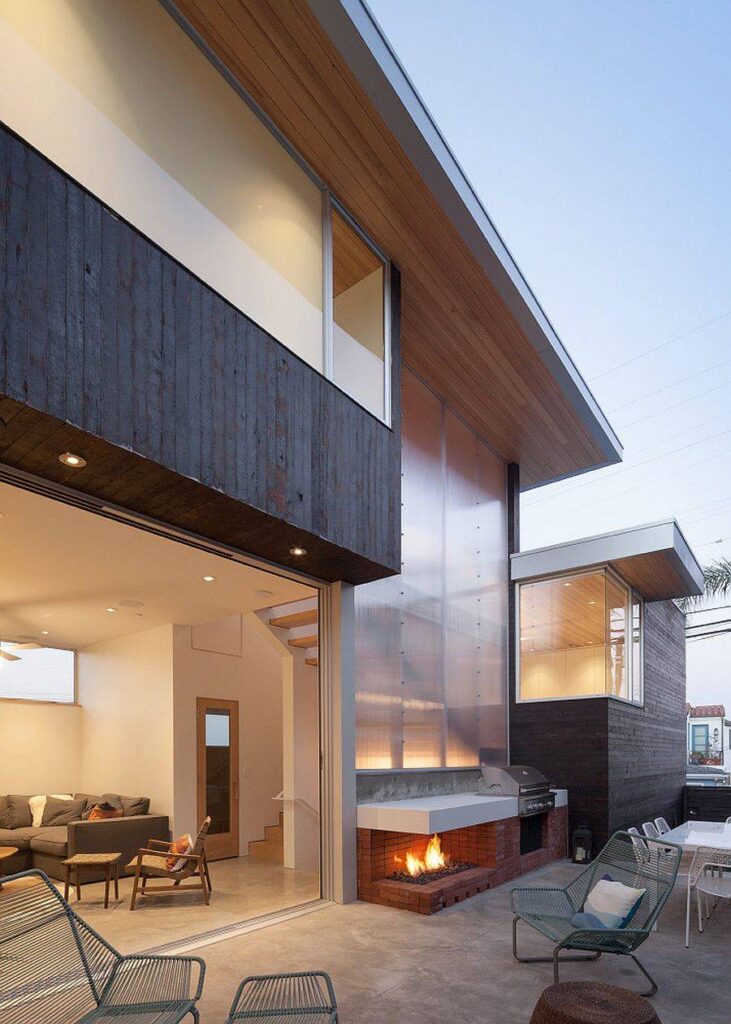
Understanding PVC Panels for Your Home
As we navigate the world of home improvement, it’s essential to consider the various options available to us. One material that has gained popularity in recent years is Polyvinyl Chloride (PVC) panels. In this article, we’ll delve into the world of PVC panels, exploring their uses, benefits, and drawbacks.
What are PVC Panels?
PVC panels are made from a type of plastic called polyvinyl chloride (PVC). This material is known for its durability, low maintenance, and energy efficiency. PVC panels can be used in various applications, including walls, ceilings, and windows.
Benefits of PVC Panels
So, what makes PVC panels so attractive? Here are some benefits:
- Energy Efficiency: PVC panels offer excellent insulation properties, reducing heat transfer and minimizing energy consumption.
- Durability: PVC panels are resistant to scratches, cracks, and fading, making them a great choice for high-traffic areas.
- Low Maintenance: PVC panels require minimal cleaning and upkeep, saving you time and money in the long run.
- Cost-Effective: PVC panels can help reduce energy costs by up to 17% compared to traditional materials like glass.
Using PVC Panels in Your Home
PVC panels can be used in a variety of ways:
- Walls and Ceilings: Use PVC panels to create opaque, semi-transparent, or translucent walls and ceilings that add style and functionality to your space.
- Windows and Doors: PVC panels can be used as alternative windows and doors, offering energy efficiency and durability.
- Shelving and Storage: PVC panels make great shelving units and storage solutions, perfect for garages, attics, or closets.
Types of PVC Panels
When it comes to choosing the right PVC panel for your project, consider the following types:
- PVC Panels with Alveolar Structure: These panels offer improved insulation properties and are ideal for walls, ceilings, and windows.
- PVC Panels without Alveolar Structure: These panels are more affordable and suitable for decorative purposes, such as shelving units or storage solutions.
Precautions When Using PVC Panels
While PVC panels are an excellent choice, there are some precautions to keep in mind:
- Cleaning: Avoid using harsh chemicals that can damage the PVC surface.
- Temperature: PVC panels can be exposed to extreme temperatures, so ensure they’re installed correctly and maintained properly.
Conclusion
PVC panels offer a wide range of benefits for home improvement projects. From energy efficiency to durability, these panels are an excellent choice for anyone looking to enhance their space. By considering the various types of PVC panels available and taking necessary precautions, you can enjoy the many advantages of PVC panels in your own home.
Frequently Asked Questions
- What is the best way to clean PVC panels?
- Can PVC panels be used outdoors?
- How long do PVC panels last?
- Are PVC panels recyclable?
- Can PVC panels be cut and shaped?
Best Practices for Installing PVC Panels
Installing PVC panels requires careful planning and execution to ensure a successful outcome. Here are some best practices to keep in mind:
- Plan Ahead: Before installing PVC panels, measure the area where you’ll be using them and plan the layout carefully.
- Prepare the Surface: Ensure the surface is clean, dry, and free of any debris or obstructions.
- Use the Right Tools: Use the right tools for the job, such as a drill press or jigsaw, to ensure accurate cuts and installations.
Common Mistakes to Avoid When Using PVC Panels
While PVC panels are an excellent choice, there are some common mistakes to avoid:
- Inadequate Measurement: Measuring incorrectly can lead to wasted material and unnecessary repairs.
- Insufficient Planning: Failing to plan ahead can result in a subpar installation that doesn’t meet your needs or expectations.
- Using the Wrong Tools: Using the wrong tools for the job can lead to poor cuts, uneven installations, and other problems.
Alternatives to PVC Panels
While PVC panels are an excellent choice, there are some alternatives to consider:
- Glass Panels: Glass panels offer a more traditional look and feel, but may require additional maintenance.
- Aluminum Panels: Aluminum panels are durable and low maintenance, but can be more expensive than PVC panels.
- Acrylic Panels: Acrylic panels are lightweight and easy to install, but may not offer the same level of durability as PVC panels.
Environmental Impact of PVC Panels
PVC panels have a significant environmental impact due to their production process. Here are some ways to reduce this impact:
- Choose Eco-Friendly Products: Choose products that are made from eco-friendly materials and have minimal packaging.
- Recycle PVC Panels: Recycle PVC panels whenever possible to reduce waste and minimize the need for new raw materials.
Conclusion
PVC panels offer a wide range of benefits for home improvement projects. From energy efficiency to durability, these panels are an excellent choice for anyone looking to enhance their space. By considering the various types of PVC panels available and taking necessary precautions, you can enjoy the many advantages of PVC panels in your own home.


