
Characteristics of the Balestruccio
The balestruccio is a small bird species that can be easily mistaken for either the rounded robin or the rounded swallow. However, it has some unique characteristics that set it apart from its similar-looking counterparts. In this article, we will delve into the world of the balestruccio and explore its distinctive features, habits, and behaviors.
Physical Characteristics
The balestruccio is scientifically known as Delichon urbicum. This bird species is relatively small, with a total length of approximately 15 centimeters (6 inches) and a weight ranging from 15 to 25 grams (0.5 to 1 ounce). Its wingspan is around 30 centimeters (12 inches), while its tail measures about 6.5 centimeters (2.5 inches) in length.
Body Shape and Coloration
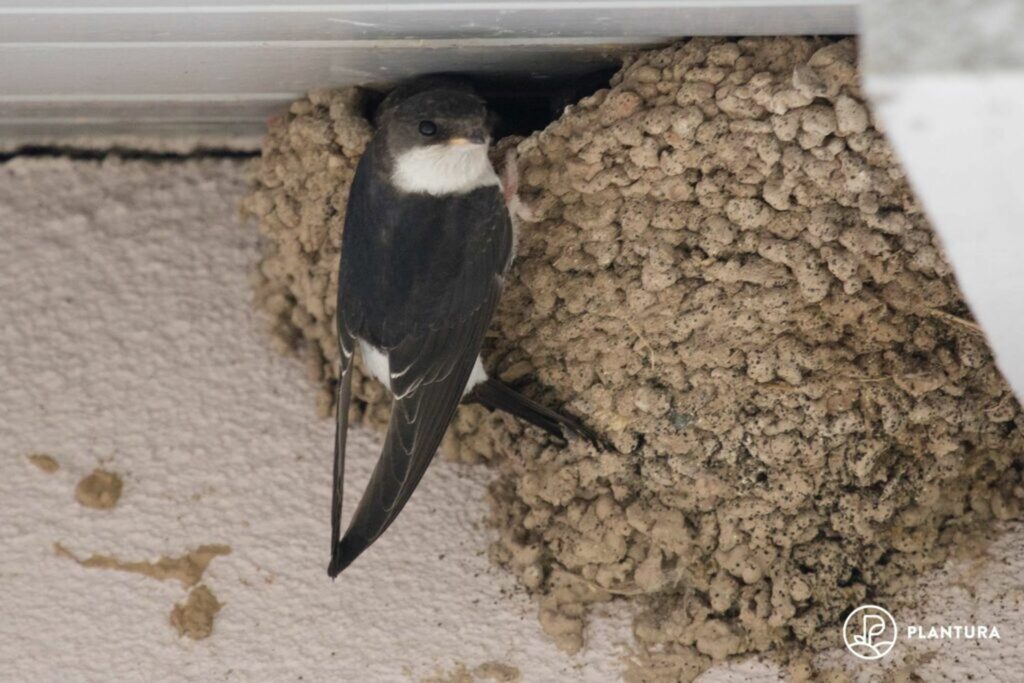
The balestruccio has a slender body shape, often described as affusolate or aerodynamic. The upper portion of its body is predominantly black with a blue-gray sheen, while the lower half tends towards white. Its wings and tail feathers are similarly colored to the back, while its legs and feet are covered in white feathers.
Habitat and Nesting
The balestruccio is known to inhabit urban areas and can often be found nesting under eaves or on facades. Despite its small size, it takes great effort to construct a nest, which typically consists of small balls of mud held together with saliva. The internal lining is often covered in fine grasses and feathers, creating a soft and cozy environment for the eggs.
Nest Structure
From an external perspective, the balestruccio’s nest appears as a small, rounded structure with an entrance hole on one side or above its surface. While this may seem simplistic at first glance, it is actually an elaborate construction that requires significant time and effort to build.
Incubation and Egg-Laying
The incubation period for the balestruccio’s eggs is approximately two weeks, during which time both parents take turns sitting on the nest. After hatching, the chicks rely entirely on their mother for food and care, with the young birds not becoming independent until around 20-30 days after birth.
Diet and Hunting
As a small bird species, the balestruccio primarily feeds on insects and invertebrates. Its agility and speed allow it to catch prey while in flight, often at heights significantly higher than those reached by more skilled insectivores like swallows.
Social Behavior
Unlike many other bird species, which tend to be solitary or only gather in small groups during mating season, the balestruccio is known to form large flocks. These communal aggregations are typically found during migration periods when the birds travel together in search of food and suitable habitats.
Migration Patterns
The balestruccio is notable for its long-distance migrations, which take it from Europe and Asia to Africa each year. The precise route taken by these birds varies depending on specific locations but generally follows a general trajectory that includes:
- Spring Migration: During the spring months (March to April), balestrucci flock together in large numbers as they migrate northward through Europe, eventually reaching their breeding grounds.
- Summer Residence: After arriving at their destinations, these birds spend several months nesting and raising their young. They often occupy urban areas, where human activity can provide a convenient source of food.
- Autumn Migration: As the days shorten and temperatures drop, balestrucci begin their journey back to Africa. This migration typically takes place between September and November.
Conservation Status
Due to habitat degradation and human activities that disrupt natural habitats, the balestruccio is classified as a species of concern in many regions. Its small size and vulnerability to environmental changes make it especially susceptible to extinction risks.
Differences Between Balestruccio and Rounded Robin
While both birds are similar in appearance, there are some key differences between the rounded robin (Erithacus rubecula) and the balestruccio:
- Size: The rounded robin is larger than the balestruccio, with a total length of around 12-13 centimeters (4.7 to 5.1 inches).
- Tail Shape: Unlike the rounded robin, which has a long, slender tail, the balestruccio’s tail is shorter and more bifurcated.
- Legs and Feet: Both birds have black legs and feet, but the balestruccio’s are slightly longer.
Conclusion
In conclusion, the balestruccio may be small in stature, but it has a unique set of characteristics that make it an intriguing bird species. From its distinctive plumage to its impressive migration patterns, there is much to learn and appreciate about this remarkable creature.
Frequently Asked Questions (FAQs)
Q: What is the average lifespan of a balestruccio?
A: Unfortunately, due to habitat degradation and other environmental factors, it’s challenging to determine an exact average lifespan for this species. However, research suggests that many balestrucci do not live beyond 2-3 years in the wild.
Q: Can balestrucci be found in urban areas year-round?
A: While they can adapt to human environments, balestrucci typically migrate between their breeding grounds and African destinations during specific times of the year.
Q: How long does it take for a balestruccio to learn how to fly?
A: Research indicates that young balestrucci begin practicing flight skills at around 2-3 weeks old. By the time they reach maturity (approximately 6-8 months), they are confident and agile fliers.
A: Unlike many other bird species, balestrucci tend to gather in large groups during migration periods and also form communal nests near human settlements. However, they also have instances of solitary behavior, particularly when it comes to hunting for food.
Q: What are the primary predators of balestrucci?
A: Small birds, such as sparrowhawks and kestrels, often prey on juvenile or vulnerable balestrucci. Larger predators like owls and hawks may also hunt these birds, especially during migration periods when they are more exposed.
Q: Can I help protect the balestruccio and its habitats?
A: By reducing our carbon footprint, protecting natural habitats, and supporting conservation efforts, we can all contribute to preserving the populations of this remarkable bird species.


