
As we continue to push the boundaries of medical research, a new test has emerged that promises to revolutionize the way we detect cancer in its early stages. Introducing Test Iset, a non-invasive technique that analyzes cell size to identify potential cancer cells circulating in the blood. But what exactly is Test Iset, and how effective is it?
What is Test Iset?
Developed by oncologist Patrizia Paterlini-Bréchot, Test Iset aims to detect cancer cells in their early stages by analyzing their size. This innovative approach uses a non-invasive method that involves examining the blood of healthy individuals to identify potential cancer cells. The test is based on the idea that cancer cells differ from normal cells in terms of their size, and can be identified through this distinctive characteristic.
How Does Test Iset Work?
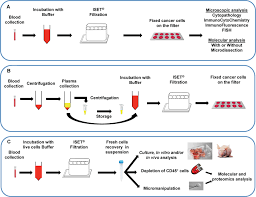
The process begins with a blood sample, which is then analyzed using specialized equipment to detect cells of abnormal size. These cells are isolated and further examined to determine if they are indeed cancerous. While the test shows promise, it’s essential to note that it’s not yet considered the gold standard for cancer detection.
What Limitations Does Test Iset Have?
Despite its innovative approach, Test Iset still faces several limitations. Firstly, it cannot identify the specific organ where a potential tumor is located. This means that if a person tests positive for abnormal cells, they may need to undergo additional testing, such as imaging scans or biopsies, to determine the extent of their condition.
Efficacy of Test Iset
Currently, Test Iset is not considered the most effective method for detecting cancer. While it has shown promise in some studies, more research is needed to confirm its efficacy. According to experts, there are over 40 methods being researched to detect cancer cells, and Test Iset is still one of them.
What Have We Learned So Far?
Despite the limitations, researchers have made progress in identifying potential cancer cells using Test Iset. Studies have shown that this technique can detect cancer cells in various types of tumors, including lung, colon, prostate, breast, pancreatic, liver, and melanoma. However, more research is needed to fully understand its potential.
Characteristics of Test Iset
So, what sets Test Iset apart from other diagnostic tests? Here are some key characteristics:
- Non-invasive: Test Iset does not require invasive procedures, making it an attractive option for patients.
- Early detection: The test aims to detect cancer cells in their early stages, potentially improving treatment outcomes.
- Limitations: However, the test cannot identify specific organs where tumors are located and may not be effective in certain cases.
Conclusion
Test Iset represents a promising approach to detecting cancer in its early stages. While it has limitations, researchers continue to refine this technique. As we move forward, it’s essential to recognize that the fight against cancer requires a multifaceted approach, involving collaboration, research, and innovative diagnostic tools like Test Iset.
Frequently Asked Questions (FAQs)
- What is Test Iset?
- Test Iset is a non-invasive test that analyzes cell size to identify potential cancer cells circulating in the blood.
- How does Test Iset work?
- The test involves analyzing the blood of healthy individuals to detect cells of abnormal size, which are then isolated and further examined.
- What limitations does Test Iset have?
- The test cannot identify specific organs where tumors are located and may not be effective in certain cases.
- Is Test Iset considered the gold standard for cancer detection?
- No, it is still considered one of several methods being researched to detect cancer cells.
- What types of cancer have been detected using Test Iset?
- Studies have shown that this technique can detect cancer cells in various types of tumors, including lung, colon, prostate, breast, pancreatic, liver, and melanoma.
Future Directions
As researchers continue to refine Test Iset, several future directions are worth exploring:
- Combining with other diagnostic tools: Integrating Test Iset with existing diagnostic methods could improve detection rates.
- Improving accuracy: Researchers may need to develop new algorithms or techniques to enhance the accuracy of Test Iset.
- Expanding accessibility: Making Test Iset more accessible to patients and healthcare providers is essential for widespread adoption.
Conclusion
In conclusion, Test Iset represents a promising approach to detecting cancer in its early stages. While it has limitations, researchers continue to refine this technique. As we move forward, it’s essential to recognize that the fight against cancer requires a multifaceted approach, involving collaboration, research, and innovative diagnostic tools like Test Iset.
Additional Resources
For those interested in learning more about Test Iset, several additional resources are available:
- Research articles: Several studies have been published on Test Iset, providing insights into its efficacy and limitations.
- Clinical trials: Researchers are currently conducting clinical trials to further evaluate the effectiveness of Test Iset.
- Professional organizations: Organizations dedicated to cancer research and detection provide valuable information on emerging diagnostic tools like Test Iset.


