
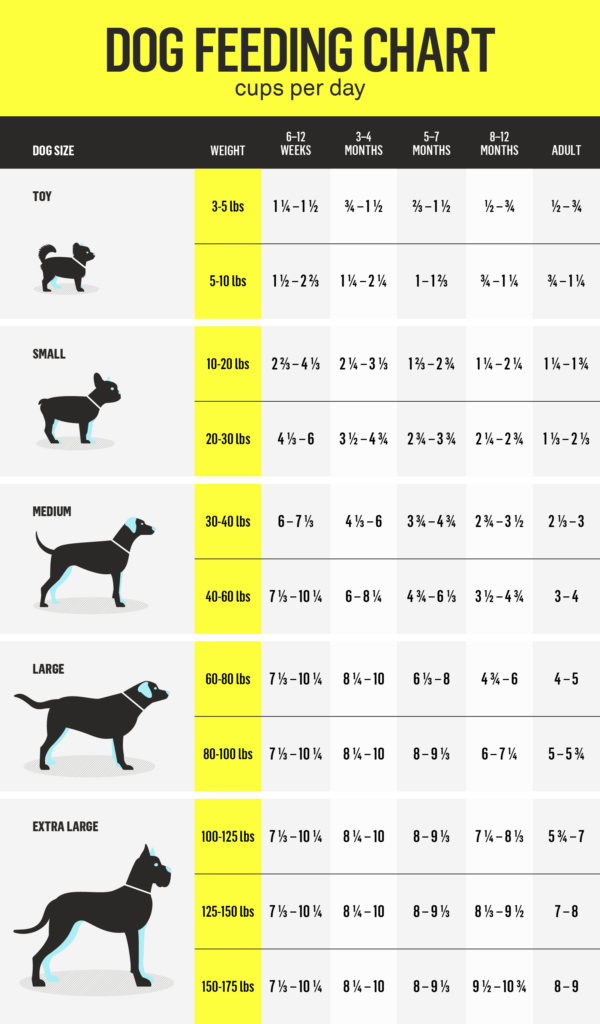
As a responsible pet owner, providing the right amount of food for your furry friend is crucial to maintain their overall health and well-being. However, with so many options available in the market, it can be overwhelming to decide which one to choose. In this article, we will delve into the world of canine nutrition, exploring the factors that affect the dosage of food, types of diets, and how to tailor your dog’s diet to their individual needs.
What Affects Canine Nutrition?
The amount of food a dog should eat depends on several factors, including:
- Age: Puppies require more calories than adult dogs due to their high energy needs for growth and development.
- Size: Larger breeds need more food to sustain their size and weight.
- Activity Level: Dogs that are highly active require more calories to support their exercise habits.
- Breed: Certain breeds, such as hunting breeds, may have different nutritional requirements than others.
Understanding Canine Nutrition Labels
When browsing through pet food products, you may come across labels that claim to provide a specific dosage of nutrients. However, these labels are not always indicative of the actual amount of food your dog needs. Here’s what you need to know:
- Conventional Food Labels: These labels typically indicate a range of serving sizes and caloric content. While they can be helpful, they may not account for individual variations in nutritional needs.
- Label Claims: Some pet food companies make claims about their products being “complete and balanced” or “formulated with specific nutrients.” However, these claims are often based on general guidelines rather than scientific evidence.
Balancing Your Dog’s Diet
To ensure your dog is getting the right amount of nutrients, it’s essential to balance their diet. Here are some tips:
- Variety is Key: Include a mix of protein sources, such as chicken, beef, and fish, as well as whole grains like brown rice and oats.
- Avoid Over-Reliance on Fillers: Be wary of fillers like corn and wheat, which can provide little nutritional value.
- Choose Whole Foods: Prioritize whole foods over processed ones to ensure your dog is getting the nutrients they need.
Consulting a Veterinarian
While it’s tempting to rely solely on pet food labels, consulting with a veterinarian is always the best course of action. They can help you:
- Determine Your Dog’s Nutritional Needs: Based on their age, size, breed, and activity level.
- Create a Customized Diet Plan: Taking into account your dog’s unique needs and health status.
Common Canine Nutrition Mistakes
Here are some common mistakes pet owners make when it comes to canine nutrition:
- Overfeeding: This can lead to obesity and other health problems.
- Underfeeding: Insufficient calories can result in weight loss and decreased energy levels.
- Ignoring Dietary Restrictions: Failure to account for food allergies or sensitivities can cause adverse reactions.
Conclusion
Canine nutrition is a complex topic, but with the right guidance, you can ensure your furry friend is getting the nutrients they need. Remember to consult with a veterinarian, balance your dog’s diet, and avoid common mistakes. By doing so, you’ll be well on your way to raising a healthy and happy companion.
Frequently Asked Questions
- Q: How often should I feed my dog?
- A: The frequency of feeding depends on your dog’s age, size, breed, and activity level. Consult with your veterinarian for specific guidance.
- Q: What is the best type of food for my dog?
- A: The best food for your dog depends on their individual needs and health status. Consult with your veterinarian to determine the best diet for your furry friend.
-
Q: Can I give my dog table scraps?
- A: While it may be tempting to give your dog table scraps, it’s generally not a good idea. These foods can be high in calories and low in nutrients, leading to health problems.
-
Q: How often should I take my dog for walks?
- A: The frequency of walks depends on your dog’s age, size, breed, and activity level. Aim for at least one walk per day.
-
Q: Can I leave food out for my dog to graze throughout the day?
- A: While it may seem convenient, leaving food out for your dog can lead to overeating and obesity. Instead, feed them two to three meals per day.
-
Q: What are some common signs of nutritional deficiencies in dogs?
- A: Common signs include dull coat, poor skin health, and decreased energy levels.
-
Q: How often should I take my dog to the vet for check-ups?
- A: Regular check-ups with your veterinarian can help identify potential health issues early on. Schedule annual check-ups or bi-annual visits depending on your dog’s age and health status.
-
Q: Can I switch my dog’s food if they’re not responding well to their current diet?
- A: Yes, you can switch your dog’s food if they’re not responding well to their current diet. However, consult with your veterinarian first to determine the best course of action.
-
Q: How often should I clean my dog’s food and water bowls?
- A: Clean your dog’s food and water bowls daily to prevent bacterial growth.
-
Q: Can I use human food as a supplement for my dog?
- A: While it may be tempting to give your dog table scraps, it’s generally not a good idea. Human food can be high in calories and low in nutrients, leading to health problems.
-
Q: How often should I brush my dog’s teeth?
- A: Brush your dog’s teeth at least twice per week to prevent tartar buildup and promote good oral health.
-
Q: Can I let my dog play with other pets without supervision?
- A: While it may be tempting to give your dog some freedom, it’s generally not a good idea. Supervise interactions between dogs to ensure their safety.
-
Q: How often should I trim my dog’s nails?
- A: Trim your dog’s nails every few weeks to prevent overgrowth and cracking.
-
Q: Can I use flea preventatives on my dog without consulting with my vet first?
- A: While it may be tempting to give your dog some flea control, consult with your veterinarian before using any preventative measures.
-
Q: How often should I bathe my dog?
- A: Bathe your dog as needed based on their individual needs and coat type. Over-bathing can strip them of their natural oils.
-
Q: Can I give my dog supplements without consulting with my vet first?
- A: While it may be tempting to add some extra nutrients to your dog’s diet, consult with your veterinarian before adding any supplements.
-
Q: How often should I take my dog for regular grooming sessions?
- A: Schedule regular grooming sessions with a professional groomer every 6-8 weeks based on your dog’s coat type and individual needs.
-
Q: Can I use essential oils on my dog without consulting with my vet first?
- A: While it may be tempting to give your dog some aromatherapy, consult with your veterinarian before using any essential oils.
- Q: How often should I monitor my dog’s temperature and overall health?
- A: Monitor your dog’s temperature and overall health regularly, especially during heatwaves or when they’re experiencing stress.


