
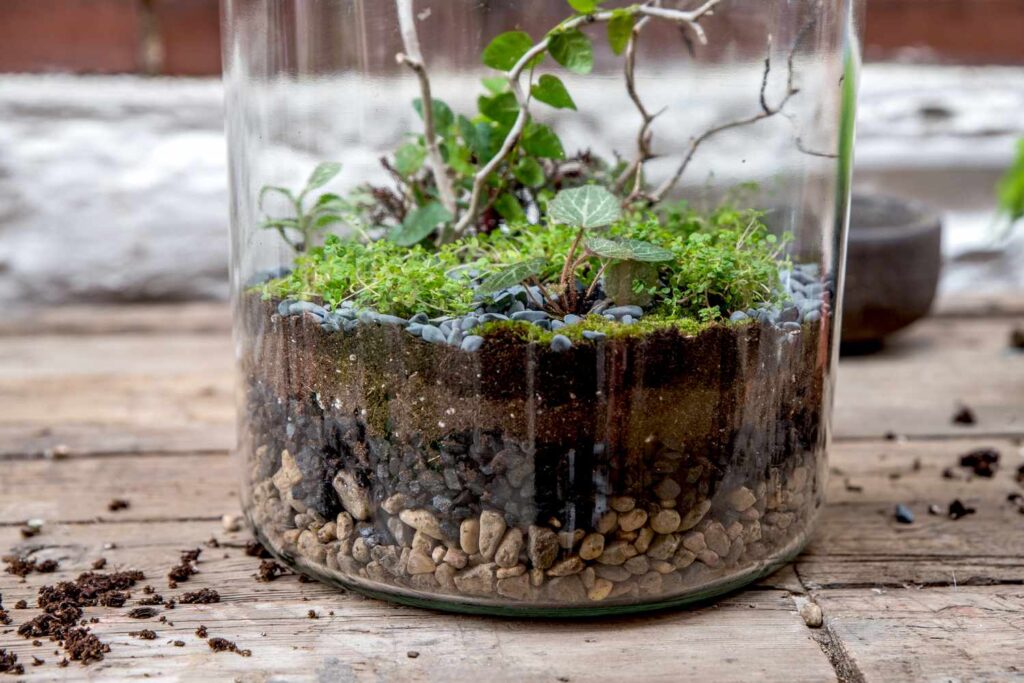
Creating a terrarium is an exciting project that can bring joy and beauty to any space. Whether you’re looking for a unique decoration or a low-maintenance way to grow plants, building your own terrarium is a great option.
For many plants, growing in a terrarium is the only viable option. Plants require specific conditions, such as a temperate climate, high humidity, and limited ventilation, which can be challenging to replicate in an uncontrolled environment. A terrarium provides the perfect habitat for these plants, allowing you to control the environment and ensure optimal growth.
What is a Terrarium?
A terrarium is a self-sustaining ecosystem that consists of a clear container filled with water, soil, plants, and rocks. The container is sealed, which allows the plant to thrive in a mini-ecosystem. Terrariums can be either open or closed, but they must allow for some air exchange to prevent the buildup of toxic gases.
History of Terrariums
The concept of terrariums dates back to the 18th century when scientists and botanists first discovered that plants could thrive in closed environments. In the early 19th century, Sir Joseph Banks, a British botanist, developed one of the earliest known terrariums using a glass jar and a variety of plant species.
Over time, terrariums have evolved to become a popular hobby among gardeners and enthusiasts. Today, there are countless designs, shapes, and sizes available, ranging from small glass containers to elaborate wooden cabinets.
Benefits of Terrariums
Terrariums offer several benefits for plants, including:
- Increased humidity: The sealed environment creates a humid microclimate that helps to retain moisture in the air.
- Reduced watering needs: Plants within terrariums require less water due to the high humidity and limited evaporation.
- Pest control: Terrariums are self-sustaining ecosystems that can help to prevent pests from reaching the plants.
The Importance of Lighting
Lighting is crucial in creating a thriving terrarium. If you plan to place your terrarium indoors, you’ll need to provide supplemental lighting to ensure that the plants receive enough light. Many aquariums already have built-in lighting systems, so you can simply upgrade or add additional lights.
However, be cautious not to rely solely on the aquarium’s lighting system, as it may not provide enough light for your plants. Instead, use a combination of natural and artificial light sources to create a balanced environment.
Other Options for Building Your Terrarium
You don’t have to start from scratch. You can also repurpose other containers, such as:
- A mini greenhouse
- A terracotta pot with a glass top
- A wooden planter box with a clear lid
If you’re feeling crafty, you can even build your own terrarium using DIY-friendly materials like lastres of glass and silicone sealant.
What You’ll Need
Before you start building your terrarium, make sure you have the following materials:
- Lastres of glass (with a suitable size)
- Silicone sealant
- Acetone
- Illumination (optional)
Step-by-Step Instructions
- Prepare the Containers: Clean and dry the containers thoroughly to ensure that they are free of any debris or dust.
- Purge the Vets: Use acetone to clean and de-grease the glass surfaces, removing any dust or debris.
- Position the Lastres: Place the lastres on a flat surface, making sure they are level and secure.
- Add the Vetro del Fondo: Position the bottom layer of glass on top of a dry surface, followed by the remaining glass layers in an alternating pattern.
- Seal the Terrarium: Use silicone sealant to connect the glass layers, ensuring that there are no air bubbles or gaps.
Ready-to-Use Terrariums and Mini Greenhouses
If you prefer not to build your own terrarium, you can purchase one from a reputable supplier. There are many options available online, including mini greenhouses designed specifically for indoor use. Some popular brands include:
- Amazon
- Terrarium World
These products offer a range of sizes, shapes, and materials, making it easy to find the perfect option for your needs.
Frequently Asked Questions
- What type of plants are best suited for terrariums?
Many plants thrive in terrariums, including ferns, mosses, succulents, and air plants. - How do I maintain my terrarium?
Regularly check the moisture levels, trim dead leaves or stems, and ensure that the temperature is within the optimal range for your plants. - Can I use a plastic container for my terrarium?
While it’s possible to use a plastic container, it may not be the best option due to potential health risks associated with BPA-based plastics. - How often should I open my terrarium?
It’s recommended to open your terrarium every 1-2 weeks to allow for air exchange and prevent the buildup of toxic gases. - Can I use a terrarium outdoors?
Yes, but make sure it’s placed in a shaded area to protect it from direct sunlight and extreme temperatures.
By following these guidelines and tips, you’ll be well on your way to creating a stunning and thriving terrarium that will bring joy and beauty to your home or office.


