
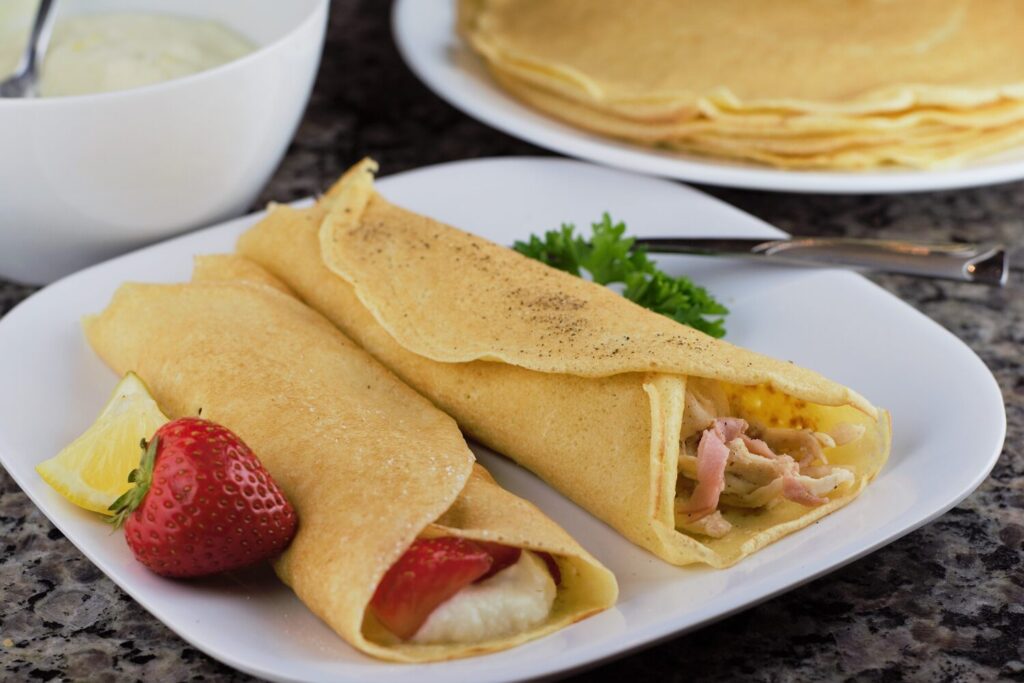
Crepes, also known as crepe or crespelle, are a type of thin pancake that originated in France. They can be savory or sweet and are often served with a variety of fillings such as meats, cheeses, fruits, and nuts. In this article, we will explore the art of making crepes, from the basic recipe to advanced techniques and variations.
The Benefits of Making Crepes
Making crepes is a fun and rewarding process that can be enjoyed by people of all ages. It’s a great way to get creative in the kitchen and experiment with different ingredients and flavors. Crepes are also a versatile dish that can be served at any time of day, whether it’s for breakfast, lunch, or dinner.
The Basic Recipe
The basic recipe for crepes is simple and requires only a few ingredients:
- 3 eggs
- 250 grams of flour
- 1/2 liter of milk
- 50 grams of butter (optional)
- Salt to taste
To make the batter, combine the flour, eggs, milk, and butter in a bowl. Mix well until smooth and free of lumps.
Crepes Salate vs. Crepes Dolci
While crepes can be both savory and sweet, the two types of crepes have distinct differences. Crepes salate (salty crepes) are often filled with ingredients such as ham, cheese, spinach, and mushrooms, while crepes dolci (sweet crepes) are typically filled with fruits, whipped cream, or chocolate.
Preparing the Batter
To prepare the batter, mix the flour, eggs, milk, and butter in a bowl. Add salt to taste and stir well until smooth. Cover the bowl with plastic wrap and refrigerate for at least 30 minutes to allow the dough to rest.
Cooking the Crepes
To cook the crepes, heat a non-stick pan or skillet over medium heat. Brush the pan with butter or cooking spray to prevent sticking. Pour a small amount of batter into the pan and tilt to evenly coat the bottom. Cook for 1-2 minutes on each side, until the crepe is golden brown and slightly puffed.
Filling the Crepes
Once the crepes are cooked, fill them with your desired filling. Some popular fillings include ham and cheese, spinach and feta, or strawberries and whipped cream.
Variations and Tips
To add more flavor to your crepes, try adding herbs such as parsley, basil, or thyme to the batter. You can also experiment with different types of flour, such as whole wheat or almond flour, for a nutty flavor.
- Use a thermometer to ensure that the pan is at the right temperature (around 180°F).
- Don’t overfill the crepes, as this can cause them to break or become too messy.
- Experiment with different fillings and toppings to create unique flavor combinations.
Advanced Techniques
For advanced crepe makers, there are several techniques that can take your crepes to the next level:
- Lemon Crepes: Add a squeeze of fresh lemon juice to the batter for a bright and citrusy flavor.
- Chocolate Crepes: Add cocoa powder or melted chocolate to the batter for a decadent treat.
- Spinach and Feta Crepes: Add chopped spinach and crumbled feta cheese to the filling for a savory and satisfying crepe.
Special Occasions
Crepes are a versatile dish that can be served at any time of day, but they’re especially well-suited for special occasions like weddings, parties, or brunch gatherings. Here are some ideas for using crepes in different settings:
- Breakfast Crepes: Fill crepes with scrambled eggs, sausage, and cheese for a hearty breakfast.
- Lunch Crepes: Fill crepes with turkey, avocado, and sprouts for a healthy and satisfying lunch.
- Dinner Crepes: Fill crepes with shrimp, scallops, and garlic butter for a seafood-inspired dinner.
Conclusion
Making crepes is an easy and fun process that can be enjoyed by people of all ages. With a few simple ingredients and some basic cooking techniques, you can create delicious savory or sweet crepes that are perfect for any occasion. Whether you’re making crepes salate or crepes dolci, the possibilities are endless.
Frequently Asked Questions
Q: What is the difference between crepes and pancakes?
A: Crepes are thinner and more delicate than pancakes, with a crispy exterior and a soft interior.
Q: Can I use all-purpose flour to make crepes?
A: Yes, but whole wheat or almond flour can add a nutty flavor to your crepes.
Q: How do I store leftover crepes?
A: Store them in an airtight container at room temperature for up to 3 days or freeze for up to 2 months.
Q: Can I make crepes with gluten-free flours?
A: Yes, but be aware that the texture and taste may vary depending on the type of flour used.


