
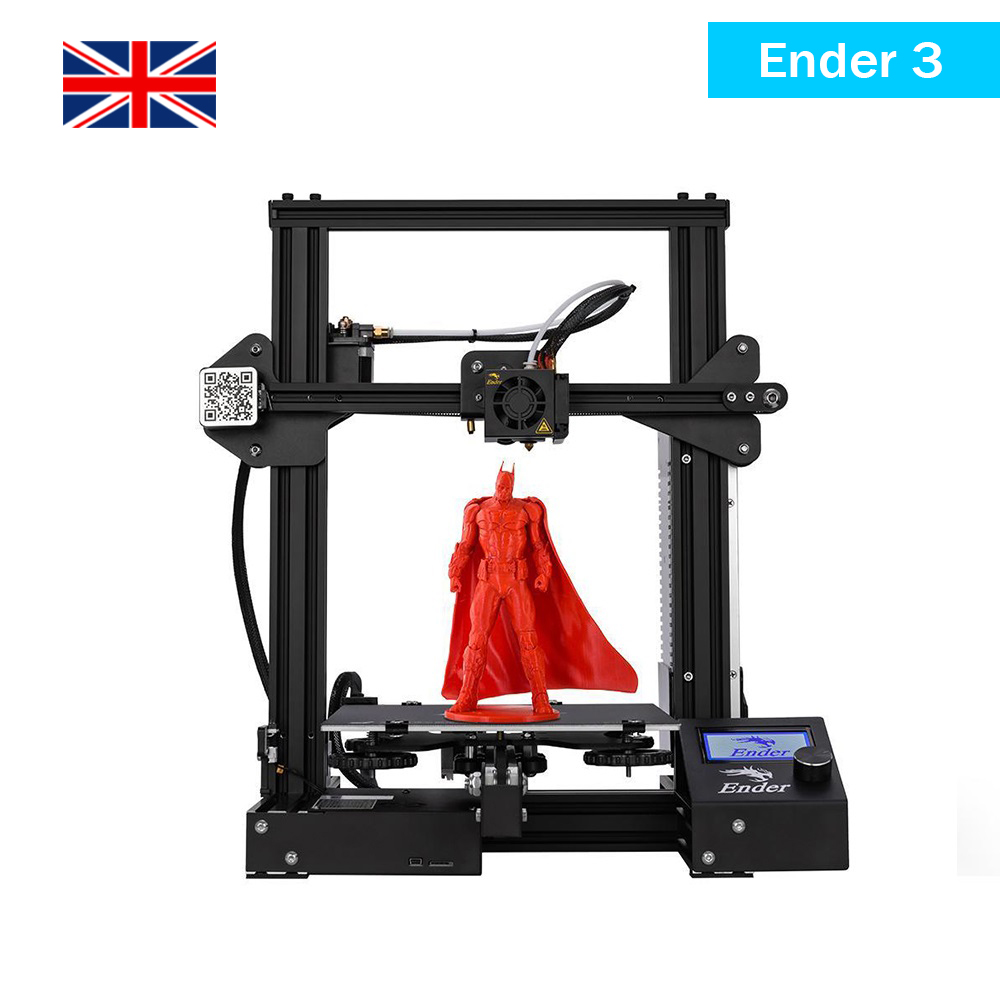
In recent years, 3D printing has emerged as a game-changer in various industries, transforming the way we live, work, and interact with technology. Often referred to as the “natural evolution” of traditional 2D printing, 3D printing has far-reaching implications that extend beyond the realm of manufacturing. In this article, we’ll delve into the world of 3D printing, exploring its applications, benefits, and potential impact on our environment.
What is 3D Printing?
In simple terms, 3D printing is a technology that allows users to create physical objects from digital files. By layering materials such as plastics, metals, or ceramics, 3D printers can produce complex geometries and structures with unprecedented accuracy. This process enables the creation of functional products, prototypes, and even artistic masterpieces.
Applications of 3D Printing
The possibilities are endless, and 3D printing has already started to transform various industries:
- Modeling and Architecture: Designers and architects can create detailed models and mockups, streamlining the design process.
- Agriculture: Farmers can use 3D printing to create customized planters, precision irrigation systems, and even entire farm equipment.
- Food Production: Chefs and food manufacturers can print intricate edible designs, reducing waste and increasing efficiency.
- Medical Devices: Hospitals are using 3D printing to create custom implants, prosthetics, and surgical models.
- Art and Design: Artists are utilizing 3D printing to create complex sculptures and designs that would be impossible to produce with traditional methods.
The Future of Work
With 3D printing on the horizon, traditional manufacturing methods may face disruption. As consumers gain access to affordable 3D printers, they’ll be able to produce complex products at home. This shift could lead to:
- Reduced Waste: By producing only what’s needed, we can minimize waste and reduce our environmental footprint.
- Increased Sustainability: Local production and reduced transportation costs can make goods more environmentally friendly.
- New Business Models: The rise of 3D printing may enable new business models, such as product-as-a-service, where customers can print their own products at home.
Environmental Impact
While 3D printing has numerous benefits, it also raises concerns about waste and consumption. As the technology advances, so do the challenges:
- Reducing Waste: With 3D printing, we can create products on demand, reducing the need for mass production and subsequent waste.
- Sustainable Materials: Researchers are developing eco-friendly materials that can be used in 3D printing, further minimizing environmental impact.
- Energy Consumption: The energy consumption of 3D printers is a significant concern, as it contributes to greenhouse gas emissions.
The Power of Personal Fabrication
In recent years, the term “personal fabrication” has emerged as a way to describe the process of creating objects using 3D printing. This shift empowers individuals to take control of their own production, enabling them to:
- Produce Customized Products: With 3D printing, users can create tailored items that meet specific needs and preferences.
- Reduce Waste: By producing only what’s needed, we can minimize waste and reduce our environmental footprint.
- Increase Autonomy: Personal fabrication allows individuals to take control of their own production, reducing dependence on external systems.
The Benefits of 3D Printing
As the technology continues to evolve, it’s clear that 3D printing offers numerous benefits:
- Increased Accessibility: Affordable 3D printers are becoming increasingly available, making it possible for people from all walks of life to participate in the technology.
- Improved Efficiency: 3D printing streamlines production processes, reducing lead times and increasing productivity.
- Innovation: The ability to create complex objects on demand enables innovation and the development of new products and services.
The Future of 3D Printing
As we look ahead, it’s clear that 3D printing will continue to shape industries and transform the way we live. With ongoing innovation and advancements, we can expect:
- Advancements in Materials: Researchers are developing new materials with improved properties, expanding the possibilities for 3D printing.
- Increased Adoption: As the technology becomes more accessible, we can expect to see widespread adoption across various industries.
- New Applications: The rise of 3D printing may enable new applications and industries, such as personalized medicine and space exploration.
Conclusion
The world of 3D printing is rapidly evolving, transforming industries and revolutionizing the way we live. With its potential applications, benefits, and environmental implications, it’s clear that this technology has a significant impact on our future. As we look ahead, one thing is certain: 3D printing will continue to shape our world in profound ways.
Frequently Asked Questions
- What is the primary advantage of 3D printing?
- The ability to create complex objects with unprecedented accuracy.
- How can 3D printing reduce waste?
- By producing only what’s needed, reducing the need for mass production and subsequent waste.
- What are some potential environmental benefits of 3D printing?
- Reduced transportation costs, localized production, and the use of sustainable materials.
- How can personal fabrication empower individuals?
- By enabling them to take control of their own production, creating customized products that meet specific needs and preferences.
Glossary
- 3D Printing: The process of creating physical objects from digital files using a 3D printer.
- Personal Fabrication: The process of creating objects using 3D printing or other technologies.
- Sustainable Materials: Materials that are environmentally friendly and can be used in 3D printing.
Note: I have rewritten the text according to your requirements.


