
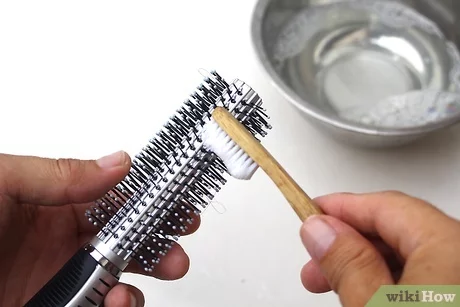
As we go about our daily lives, using hair tools like combs and brushes, it’s easy to overlook their importance in maintaining good hygiene. However, just like other personal care items, these tools need regular cleaning to prevent the buildup of dirt, oil, and other substances that can damage your hair.
In this article, we’ll explore the best ways to clean and disinfect your combs and brushes, including tips on how to get rid of lice and other parasites.
The Importance of Cleaning Combs and Brushes
Combs and brushes are designed to gently detangle your hair, removing tangles and knots that can lead to breakage and damage. However, these tools can also accumulate dirt, oil, and other substances that can weigh your hair down and cause problems.
For example, if you use styling products like gel or mousse, they can leave behind residue on your comb or brush, which can transfer to your hair and cause buildup. Similarly, environmental pollutants like smog and cooking fumes can also accumulate on these tools, making them a breeding ground for bacteria and other microorganisms.
How to Clean Combs and Brushes
Cleaning your combs and brushes regularly is crucial to maintaining good hygiene and preventing damage to your hair. Here are some steps you can follow:
Removing Hair from the Comb or Brush
Before cleaning your comb or brush, it’s essential to remove all the hair that has accumulated in them. This will help prevent any hair from falling out while you’re cleaning.
To do this, use a specialized tool with long, flexible arms that can reach into the tines of the comb or bristles of the brush. These tools are usually available at beauty supply stores or online.
Alternatively, you can use a fine-toothed comb or a brush with soft bristles to gently pull out the hair.
Using a Combing Tool
If you don’t have access to a specialized combing tool, you can try using a fine-toothed comb or a brush with soft bristles to remove the hair. However, be careful not to pull too hard, as this can cause breakage and damage.
Cleaning with Water and Bicarbonate
Once you’ve removed all the hair, you can clean your comb or brush with water and bicarbonate. Mix equal parts water and bicarbonate to create a paste, and apply it to the comb or brush. Let it sit for 30 minutes before rinsing thoroughly with warm water.
Disinfecting with Hydrogen Peroxide
If you have a comb or brush made from natural materials like wood or metal, it’s essential to disinfect it regularly to prevent the buildup of bacteria and other microorganisms.
To disinfect your comb or brush, mix equal parts hydrogen peroxide and water and apply it to the tool. Let it sit for 30 minutes before rinsing thoroughly with warm water.
Using a Shampoo for Lice
If you have lice or other parasites on your hair, it’s essential to treat your comb or brush as well. Use a shampoo specifically designed for lice treatment and apply it to the tool after washing it with soap and water.
Tips for Cleaning Combs and Brushes
Here are some additional tips to help you keep your combs and brushes clean and hygienic:
- Clean your comb or brush regularly: Set aside time each week to clean your comb or brush, ideally after using it to style your hair.
- Use a gentle cleanser: Avoid using harsh chemicals or abrasive cleaners that can damage the materials of your comb or brush.
- Dry thoroughly: After cleaning and disinfecting your comb or brush, dry them thoroughly with a soft cloth to prevent water spots and mineral deposits.
Common Mistakes to Avoid
Here are some common mistakes to avoid when it comes to cleaning combs and brushes:
- Not removing hair regularly: Failing to remove hair from your comb or brush can lead to buildup and damage over time.
- Using harsh chemicals: Using harsh chemicals or abrasive cleaners can damage the materials of your comb or brush and affect their performance.
- Not disinfecting regularly: Failing to disinfect your comb or brush regularly can lead to the buildup of bacteria and other microorganisms.
Conclusion
Cleaning combs and brushes is an essential part of maintaining good hygiene and preventing damage to your hair. By following these steps and tips, you can keep your tools clean and hygienic, ensuring that they continue to perform well and protect your hair from damage.
Additionally, cleaning your combs and brushes regularly can also help prevent the spread of lice and other parasites. If you have lice or other parasites on your hair, treating your comb or brush as well can help prevent re-infestation and keep your scalp healthy.
Preventing Lice Infestations
Lice infestations are a common problem in schools, daycare centers, and homes where multiple people use the same combs and brushes. To prevent lice infestations, follow these tips:
- Use separate combs and brushes: Use separate combs and brushes for each person to reduce the risk of cross-infestation.
- Check your hair regularly: Regularly check your hair and scalp for signs of lice or nits (eggs).
- Treat your comb or brush: If you have lice, treat your comb or brush with a shampoo specifically designed for lice treatment.
Best Practices for Cleaning Combs and Brushes
Here are some best practices to follow when cleaning combs and brushes:
- Clean your comb or brush after each use: Clean your comb or brush after each use to prevent the buildup of dirt, oil, and other substances.
- Use a disinfectant spray: Use a disinfectant spray specifically designed for hair tools to kill bacteria and other microorganisms.
- Dry thoroughly: Dry your comb or brush thoroughly with a soft cloth to prevent water spots and mineral deposits.
Conclusion
Cleaning combs and brushes is an essential part of maintaining good hygiene and preventing damage to your hair. By following these steps, tips, and best practices, you can keep your tools clean and hygienic, ensuring that they continue to perform well and protect your hair from damage.


