
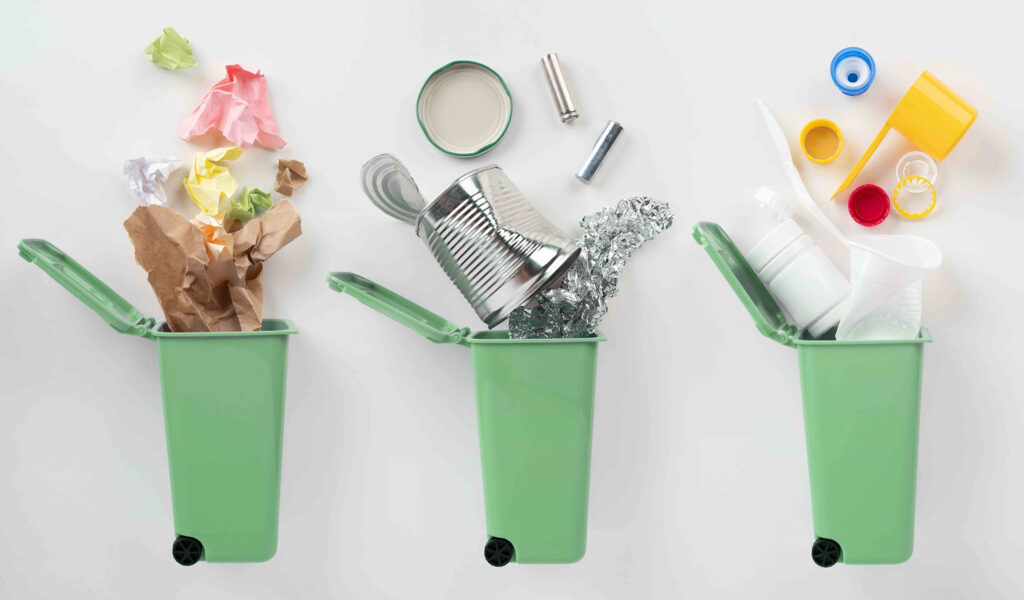
What is the Real Cost of Recycling?
As we continue to grapple with the environmental challenges of our time, recycling has become an increasingly important practice. But have you ever stopped to think about just how valuable recycling really is? In other words, what are the real benefits of recycling, and how much does it truly cost us in terms of environmental impact?
The Energy Savings of Recycling
One often-overlooked benefit of recycling is the significant amount of energy that can be saved. For example, recycling aluminum requires only 5% of the energy needed to produce new aluminum from bauxite, its primary raw material. Similarly, recycling steel from scrap metal saves two-thirds of the energy required to produce virgin steel. Even glass recycling offers a major energy savings: by reusing recycled glass, we can reduce the need for new glass production and save a third of the energy used in that process.
Reducing Pollution and Waste
But the benefits of recycling extend far beyond just energy savings. By recycling materials, we can also significantly reduce pollution and waste. For instance, producing steel from scrap metal reduces air pollution by 85%, water pollution by 76%, and eliminates all extractive waste. Recycling paper, another crucial material, also has a major impact on the environment. By reusing recycled paper, we can reduce the amount of waste sent to landfills, preserve forests, and lower emissions of toxic chemicals into the atmosphere.
The Environmental Impact of Recycling
So, what exactly are we gaining from recycling? The benefits are numerous and substantial:
- Reduced energy consumption
- Lower pollution levels
- Less waste sent to landfills
- Preservation of natural resources
- Protection of forests
Case Study: Recycling Aluminum
Let’s take aluminum as a prime example. When recycled, aluminum requires only 5% of the energy needed to produce new aluminum from bauxite. This is because recycling reduces the need for raw materials and minimizes waste. In contrast, producing virgin aluminum from bauxite requires much more energy.
Benefits of Recycling Paper
Recycling paper has a significant impact on the environment as well. By reusing recycled paper, we can:
- Reduce waste sent to landfills
- Preserve forests
- Lower emissions of toxic chemicals into the atmosphere
The Future of Recycling: Challenges and Opportunities
As we move forward, it’s essential that we continue to prioritize recycling and reduce our environmental impact. But how can we overcome the challenges that stand in our way?
- Increasing recycling rates: Encourage individuals, businesses, and governments to increase their recycling efforts.
- Improving recycling infrastructure: Develop more efficient recycling systems to process waste and produce high-quality recyclables.
- Promoting sustainable practices: Educate consumers about the benefits of recycling and encourage them to adopt sustainable lifestyles.
The Benefits of Recycling Glass
Glass recycling is another often-overlooked benefit of recycling. When recycled, glass can be reused in various applications, such as manufacturing new glass products or even creating art pieces. By reusing recycled glass, we can reduce the need for raw materials and minimize waste.
The Impact of Recycling on Local Communities
Recycling also has a significant impact on local communities. By reducing waste sent to landfills, recycling programs can help alleviate traffic congestion caused by garbage trucks and lower greenhouse gas emissions. Additionally, recycling centers often provide employment opportunities for residents in rural areas.
Conclusion: The Value of Recycling
In conclusion, recycling offers numerous environmental benefits that far outweigh any perceived costs. By reducing energy consumption, lowering pollution levels, preserving natural resources, and protecting forests, we can create a more sustainable future for generations to come.
Frequently Asked Questions (FAQs)
Q: How much does recycling save in terms of energy?
A: Recycling aluminum requires only 5% of the energy needed to produce new aluminum from bauxite. Recycled steel also saves two-thirds of the energy required to produce virgin steel, while glass recycling reduces the need for new glass production by a third.
Q: What are some examples of materials that can be recycled?
A: Aluminum, steel, glass, paper, and cardboard are just a few examples of materials that can be recycled.
Q: How can I make a difference through recycling?
A: Start by reducing your waste, reusing items when possible, and recycling as much as you can. Encourage others to do the same, and support organizations working towards sustainable practices.
Q: What are some challenges facing the recycling industry today?
A: Challenges include increasing recycling rates, improving recycling infrastructure, and promoting sustainable practices among consumers.
Q: How can I get involved in reducing waste and increasing recycling efforts?
A: Join local recycling initiatives, participate in community clean-up events, and spread awareness about the importance of recycling through social media and word-of-mouth.
Q: What are some ways to reduce energy consumption while recycling?
A: Use energy-efficient appliances, turn off lights when not in use, and recycle materials that can be used as insulation in buildings.
Q: Can recycling make a significant impact on reducing pollution?
A: Yes, recycling can significantly reduce air pollution by 85% and water pollution by 76% when producing steel from scrap metal.
Q: How does paper recycling affect the environment?
A: Paper recycling helps reduce waste sent to landfills, preserves forests, and lowers emissions of toxic chemicals into the atmosphere.
Q: Can I recycle certain household items at home?
A: Yes, many household items like plastic bottles, cans, and glass jars can be recycled. Check your local recycling guidelines for specific details.


