
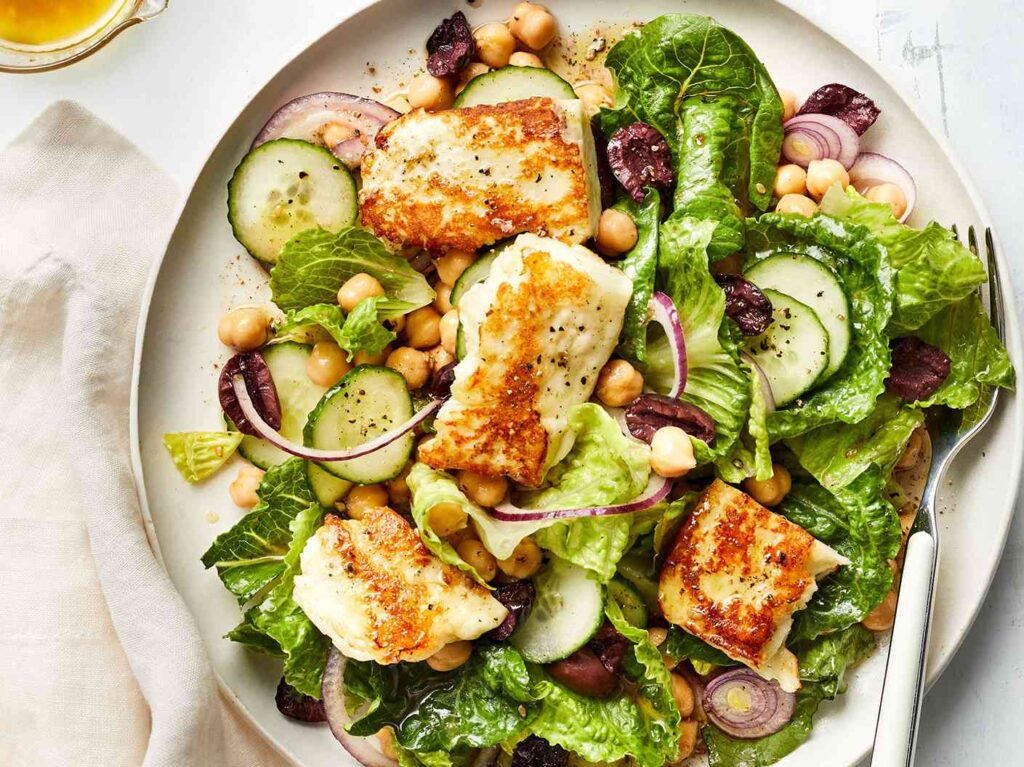
As the weather warms up, we often find ourselves craving light, refreshing, and nutritious meals that won’t weigh us down. That’s where a summer vegetarian menu comes in – a culinary celebration of fresh fruits, vegetables, and grains that will keep you energized and satisfied all season long.
The Benefits of Vegetarianism
Before we dive into the recipes, let’s talk about why vegetarianism is an excellent choice for the summer months. By embracing plant-based eating, we can:
- Reap the benefits of fresh fruits and vegetables, rich in vitamins, minerals, and antioxidants
- Support our overall health and wellbeing
- Reduce our environmental impact and contribute to a more sustainable food system
Summer Vegetarian Menu: Recipes
First Course: Pasta with Vegetable Ragù
This classic Italian dish is a staple for any summer menu. Easy to make and packed with flavor, it’s the perfect way to kick off your meal.
Ingredients:
- 400g fusilli
- 1 red bell pepper
- 1 eggplant
- 1 zucchini
- 10 ripe tomatoes
- Half a onion
- Parmesan cheese (as needed)
- Spreading cheese (optional)
- Salt and pepper to taste
- Olive oil to taste
Procedure for making the vegetable ragù:
- Chop the onion and sauté it in a non-stick pan with olive oil.
- Meanwhile, wash the vegetables and chop them into cubes.
- Once the onion is softened, add the chopped vegetables, salt, and pepper.
- Cook the pasta in plenty of salty water and carefully drain it about 1-2 minutes before cooking time on the package.
- Reserve some of the pasta water to make the ragù more creamy.
- Add the cooked pasta to the pan with the vegetables, and add some pasta water to combine everything.
- For an even creamier vegetable sauce, add a container of spreading cheese (like mascarpone or goat cheese).
- At low heat, mix the sauce until well combined and add a generous amount of parmesan cheese.
- Serve the dish warm!
Second Course: Polpettone Genovese with Fagiolini
This traditional Genovese dish is a vegetarian’s dream come true – rich, flavorful, and utterly satisfying.
Ingredients:
- 250g of beans
- 600g of potatoes
- 1 sprig of rosemary
- 2 whole eggs
- 25g of parmesan cheese
- 25g of pecorino cheese
- Salt and pepper to taste
Instructions for preparing the polpettone genovese with fagiolini:
- Clean the beans, removing the stems, and cook them in plenty of boiling salted water for about 15 minutes.
- Using a microwave, bake the potatoes, peeling them afterwards.
- Once cooked, combine the beans and potatoes to create a smooth and uniform puree using a food processor.
- In a separate bowl, break the eggs into small pieces, add salt, pepper, and grated cheese.
- Chop the rosemary finely and mix it with the egg mixture.
- Add the egg mixture to the bean and potato puree, mixing well until everything is combined.
- If necessary, add some salt and a drizzle of olive oil to make the dough more pliable.
- Spread a thin layer of oil on a baking dish, then sprinkle some breadcrumbs to prevent the polpettone from sticking to the dish.
- Bake in a preheated oven at 180°C for about 30 minutes.
- Serve warm.
Menu Estivo Vegetariano: Contorni
One of the best things about vegetarian menus is that you don’t have to choose sides! In fact, many first and second-course dishes are already rich in vegetables and possible side options. However, if you still want to enjoy a side dish, a roasted potato, salad, or grilled vegetables always receive great feedback!
Menu Estivo Vegetariano: Dolce
With desserts, the sky’s the limit! Most desserts are made with completely vegetarian ingredients (except for some exceptions). You can really let your imagination run wild when it comes to creating delicious and unique desserts. Try the vegan tiramisù.
- Chlorophyll is a nutrient found in plants that has been shown to have numerous health benefits, including reducing inflammation and improving heart health.
- Veganism is a lifestyle choice that seeks to exclude, as far as possible, all forms of exploitation of animals for food, clothing, and other purposes.
Conclusion
A summer vegetarian menu is the perfect way to enjoy delicious and healthy meals without sacrificing flavor or variety. With these easy-to-make recipes, you’ll be well on your way to creating a culinary celebration that will keep you energized and satisfied all season long.
Frequently Asked Questions
- What are some benefits of vegetarianism?
Vegetarianism has numerous health benefits, including reducing the risk of heart disease, type 2 diabetes, and certain types of cancer. - How can I get started with a summer vegetarian menu?
Start by exploring new recipes and ingredients. You can also try meal prepping or cooking in bulk to make healthy eating easier and more convenient. - What are some common misconceptions about vegetarianism?
One common misconception is that vegetarians miss out on protein. However, plant-based sources of protein like beans, lentils, and tofu can provide all the necessary nutrients for a healthy diet. - How can I make sure I’m getting enough iron on a vegetarian diet?
Iron-rich plant-based foods include beans, lentils, spinach, and dark leafy greens. Vitamin C can also help increase iron absorption, so try pairing your meals with citrus fruits or bell peppers. - What are some vegan dessert options?
Vegan desserts like fruit salad, sorbet, and tofu cheesecake are all delicious and nutritious alternatives to traditional sweet treats. - How can I reduce my environmental impact through food choices?
By choosing plant-based options, reducing food waste, and shopping locally sourced produce, you can make a positive impact on the environment and contribute to a more sustainable food system.


