
Chest pain, also known as thoracic pain, can be a symptom of an underlying medical condition. The causes of chest pain can vary widely, ranging from minor issues to life-threatening conditions.
In this article, we will explore the different types of chest pain, their symptoms, and treatment options. We will also discuss the importance of seeking medical attention if you are experiencing persistent or severe chest pain.
Causes of Chest Pain
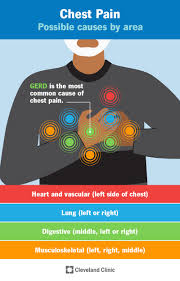
Chest pain can be caused by a variety of factors, including:
- Cardiac Conditions: Heart attacks, angina, and other cardiac conditions can cause chest pain.
- Respiratory Issues: Pneumonia, bronchitis, and other respiratory conditions can lead to chest pain.
- Musculoskeletal Problems: Muscle strain, costochondritis, and other musculoskeletal issues can cause chest pain.
- Gastrointestinal Issues: Gastroesophageal reflux disease (GERD), acid reflux, and other gastrointestinal conditions can lead to chest pain.
Symptoms of Chest Pain
The symptoms of chest pain can vary depending on the underlying condition. Some common symptoms include:
| Symptom | Description |
|---|---|
| Fever | |
| Coughing | |
| Difficulty breathing | |
| Pain or discomfort in the upper back, arms, or neck |
Angina
Angina is a type of chest pain that occurs when the heart muscle does not receive enough oxygen-rich blood. This can be caused by:
- Narrowing of the arteries: The arteries that supply blood to the heart become narrowed, reducing blood flow to the heart.
- Plaque buildup: Plaque builds up in the arteries, causing them to narrow and reduce blood flow.
Risk Factors for Chest Pain
Certain risk factors can increase your likelihood of experiencing chest pain. These include:
| Risk Factor | Description |
|---|---|
| High blood pressure | |
| High cholesterol | |
| Smoking | |
| Family history of heart disease |
Treatment Options
The treatment for chest pain depends on the underlying cause. Some common treatment options include:
| Treatment Option | Description |
|---|---|
| Medications: Medications such as aspirin and nitroglycerin can help alleviate chest pain. | |
| Rest and relaxation: Resting and relaxing can help reduce stress and alleviate chest pain. | |
| Medical procedures: Medical procedures such as angioplasty and stenting may be necessary to treat underlying conditions. |
Lifestyle Changes
Making lifestyle changes can help reduce your risk of experiencing chest pain. These include:
- Exercise regularly: Regular exercise can help improve cardiovascular health and reduce stress.
- Maintain a healthy weight: Maintaining a healthy weight can help reduce the risk of heart disease and other cardiovascular conditions.
- Avoid smoking: Smoking is a major risk factor for cardiovascular disease and should be avoided at all costs.
Prevention
Preventing chest pain requires a combination of lifestyle changes, regular medical check-ups, and adherence to treatment plans. Some ways to prevent chest pain include:
- Regular health check-ups: Regular health check-ups can help identify underlying conditions that may increase the risk of chest pain.
- Medication adherence: Adhering to medication regimens can help manage underlying conditions that may cause chest pain.
- Lifestyle modifications: Making lifestyle changes, such as regular exercise and a healthy diet, can help reduce the risk of cardiovascular disease and other related conditions.
Conclusion
Chest pain is a serious symptom that requires immediate medical attention. By understanding the causes, symptoms, and treatment options for chest pain, you can take steps to prevent or manage this condition. If you are experiencing persistent or severe chest pain, seek medical attention immediately.
Frequently Asked Questions (FAQs)
- What should I do if I experience chest pain?
- Seek immediate medical attention.
- How long does it take for chest pain to appear after a heart attack?
- The time between the onset of symptoms and the arrival of emergency services can vary widely.
- Can chest pain be caused by a muscle strain?
- Yes, muscle strain can cause chest pain.
- What is the difference between angina and a heart attack?
- Angina is a type of chest pain that occurs when the heart muscle does not receive enough oxygen-rich blood, while a heart attack occurs when the blood flow to the heart is completely blocked.
- Can I treat chest pain at home?
- No, chest pain should only be treated by a medical professional.
By understanding the causes, symptoms, and treatment options for chest pain, you can take steps to prevent or manage this condition. If you are experiencing persistent or severe chest pain, seek medical attention immediately.


