
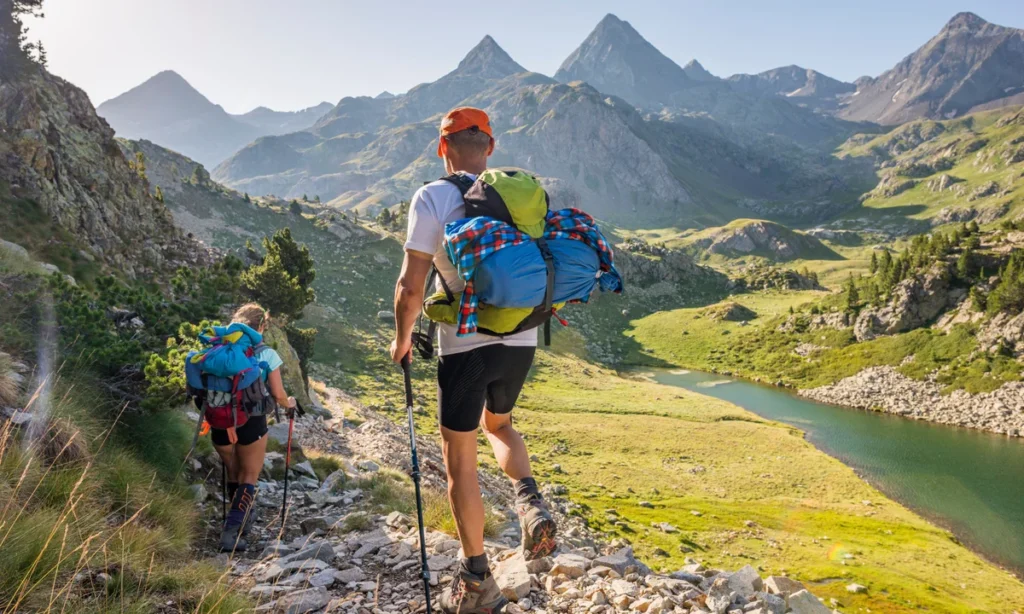
As the sun rises over the mountains, many people eagerly await the chance to lace up their hiking boots and hit the trails. Whether you’re a seasoned hiker or just starting out, mountain walking offers a unique combination of physical and mental benefits that can be enjoyed by people of all ages.
In this article, we’ll explore the advantages of mountain walking, including its impact on cardiovascular health, weight management, and overall well-being. We’ll also provide tips for getting started, from choosing the right gear to planning your route.
Why Mountain Walking is Good for You
Mountain walking offers a range of physical benefits, including:
- Improved cardiovascular health: Regular mountain walks can help strengthen your heart and lungs, improving your overall fitness and reducing your risk of heart disease.
- Increased muscle strength and endurance: As you climb hills and navigate uneven terrain, your muscles will become stronger and more resilient. This can be especially beneficial for older adults or those with mobility issues.
- Weight loss and weight management: Mountain walking can help you burn calories and shed pounds, making it a great way to manage your weight and improve your overall health.
- Reduced stress and anxiety: Being in nature has been shown to have a positive impact on mental health, reducing symptoms of depression and anxiety while improving mood and overall sense of well-being.
Choosing the Right Gear
When it comes to mountain walking, having the right gear can make all the difference. Here are some essential items to consider:
- Comfortable hiking boots or shoes with good grip and support: Choose a pair that fits well and provides adequate support for your ankles and feet.
- Socks that wick moisture away from your feet: Look for socks made from breathable materials like merino wool or synthetic fibers.
- Base layers for colder weather: A lightweight base layer can help keep you warm in cold conditions, while also wicking moisture away from your skin.
- Insulating mid-layers for added warmth: Consider bringing a fleece jacket or other insulating layer to add extra warmth on chilly days.
- Waterproof jacket and pants for inclement weather: A waterproof and breathable shell can help keep you dry in rainy or snowy conditions.
Planning Your Route
Choosing the right route can be just as important as having the right gear. Here are some tips to help you plan a successful mountain walk:
- Consider your fitness level and experience: Choose a route that suits your abilities, but still offers a challenge.
- Check the weather forecast and trail conditions before setting out: Make sure you’re prepared for any conditions you may encounter on the trail.
- Bring plenty of water and snacks to keep you fueled throughout the day: Aim to bring at least 1-2 liters of water per person, as well as energy-rich snacks like nuts or dried fruit.
- Let someone know where you’re going and when you expect to return: Leave a copy of your itinerary with a friend or family member, including your expected return time.
Mountain Walking with Your Dog
If you have a furry friend at home, mountain walking can be a great way to spend quality time together. Just remember to bring your dog’s essentials, including:
- A comfortable harness and leash: Make sure your dog is well-fitted for the hike and that their harness is secure.
- Poop bags for cleaning up after your dog: Bring plenty of poop bags to clean up after your dog and leave the trail in the same condition as you found it.
- Treats and toys to keep your dog happy and engaged: Consider bringing some treats or toys to keep your dog entertained along the way.
- Plenty of water and snacks for both you and your dog: Make sure you have enough food and water to last throughout the hike, as well as plenty of opportunities to rest and hydrate.
Mountain Walking and Nutrition
When it comes to mountain walking, nutrition plays a crucial role. Here are some tips to help you fuel your body for optimal performance:
- Bring plenty of water and electrolyte-rich snacks: Aim to drink at least 1-2 liters of water per person, as well as bring snacks that are rich in electrolytes like bananas or dates.
- Eat complex carbohydrates and lean protein sources: Focus on whole foods like fruits, vegetables, and lean meats to provide sustained energy throughout the day.
- Avoid sugary drinks and snacks that can lead to energy crashes: Steer clear of soda and other sugary drinks, as well as snacks that are high in sugar or salt.
- Consider packing a light lunch or energy bar for a quick pick-me-up: Look for snacks that are lightweight and easy to digest, like energy bars or trail mix.
Conclusion
Mountain walking is an incredible way to connect with nature, challenge yourself physically, and improve your overall well-being. By choosing the right gear, planning your route carefully, and paying attention to nutrition and hydration, you can ensure a safe and enjoyable mountain walk experience.
Here are some additional tips for making the most of your mountain walk:
- Be mindful of your surroundings: Take time to appreciate the natural beauty around you, and be aware of any potential hazards like wildlife or inclement weather.
- Bring a map and compass: Even with a GPS device, it’s always a good idea to bring a map and compass as a backup in case your device fails.
- Let someone know your itinerary: Leave a copy of your itinerary with a friend or family member, including your expected return time.
Additional Resources
If you’re interested in learning more about mountain walking, we recommend checking out the following resources:
- The National Park Service website for information on national parks and recreation areas
- The American Hiking Society for tips and advice on hiking and outdoor recreation
- Local outdoor gear stores or hiking clubs for guidance and support
We hope you’ve found this article informative and helpful. If you have any further questions or concerns, please don’t hesitate to reach out.
FAQs
Here are some frequently asked questions about mountain walking that we hope will answer some of your questions:
-
What are the most common injuries associated with mountain walking?
- The most common injuries associated with mountain walking include sprains, strains, and broken bones.
- It’s essential to take precautions when hiking, including wearing proper footwear and staying on marked trails.
-
How do I choose the right hiking boots for my needs?
- When choosing hiking boots, consider factors like terrain, weather, and personal comfort.
- Look for boots that are waterproof, breathable, and provide adequate support for your ankles and feet.
-
What are some safety tips to keep in mind when mountain walking?
- Always let someone know where you’re going and when you expect to return.
- Bring plenty of water and snacks, as well as a first aid kit and emergency shelter.
- Be aware of potential hazards like wildlife, inclement weather, and steep terrain.
-
How can I stay hydrated while mountain walking?
- Aim to drink at least 1-2 liters of water per person throughout the day.
- Bring electrolyte-rich snacks to help replenish lost salts.
-
What should I pack in case of an emergency?
- A first aid kit, emergency shelter, and communication device can be lifesavers in case of an emergency.
- Consider packing a lightweight blanket or emergency bivvy sack for added warmth and comfort.
-
Can I mountain walk with a dog?
- Yes, dogs are welcome on many mountain trails!
- Be sure to bring your dog’s essentials, including food, water, and poop bags.
- Keep your dog on a leash or under voice control at all times.
-
What are some common hazards on the trail that I should be aware of?
- Wildlife, inclement weather, steep terrain, and potential landslides can pose serious hazards on mountain trails.
- Be aware of your surroundings and stay alert for potential dangers.
-
How can I prevent altitude sickness when mountain walking?
- Acclimatize to high elevations by taking regular breaks to rest and hydrate.
- Consider using altitude-sickness medication or supplements to help alleviate symptoms.
We hope this article has provided you with valuable insights and advice for making the most of your mountain walk experience.


