
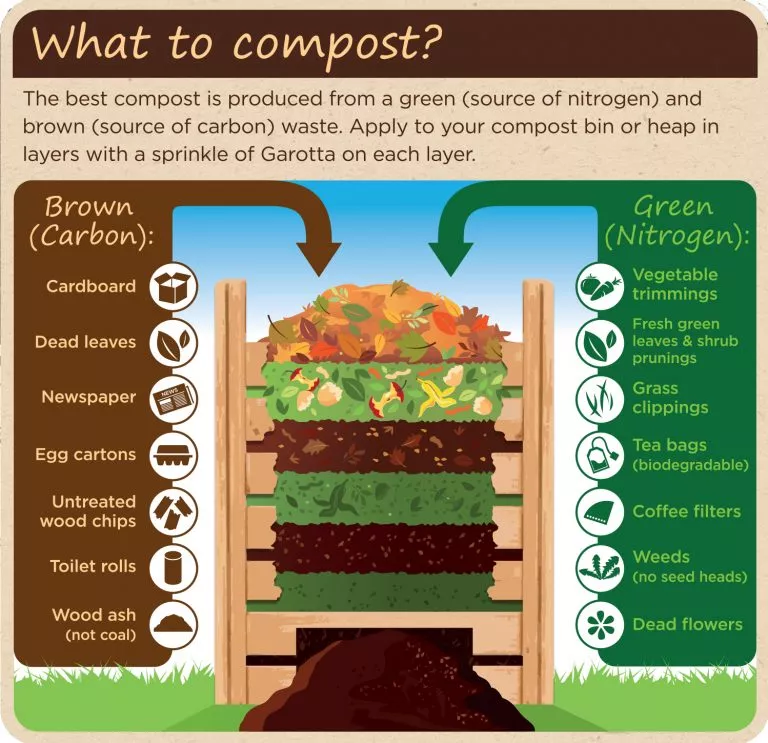
After learning the art of home composting in your garden or on your balcony, the question remains: what do we do with the compost? The answer is relevant because after every cycle of composting organic waste, you’re left with a significant amount of material in your composter, and not everyone knows how to use it correctly.
Why does home composting make sense if we don’t know how to use the compost? In reality, it’s just that: knowing how to use compost makes home composting really valuable. What truly makes home composting worthwhile is not only avoiding sending organic waste from your household to landfills but also transforming it into nutritious food for new life forms.
Composting is the most basic mechanism of regenerating nature because it produces excellent fertilizer and fresh soil in the form of compost, starting from vegetable scraps. And can be done at home, in the garden, on the balcony, as long as you have an idea of how to use the compost. So here are some tips.
Don’t Produce More Compost Than You Can Use
The advice is particularly relevant for those who make composting at home and sacrifice part of their space to the composter, leaving them with excess compost that they can’t use. The sacrifice has meaning if the compost produced ends up in vases and planters: if you’re instead left with ejection problems or no end to use your compost for, the operation loses its significance. Of course, you can give some away to friends, but it’s unclear if they’ll be happy about it.
People who have a composter in their garden or yard don’t have this problem; even so, pay attention not to overwatering or underusing the soil. Too much compost can damage the soil and lead to nutrient imbalances.
Not All Compost Is Created Equal
The result depends on the “ingredients” and time of maturity. If you want to avoid burning delicate flower roots and fertilize your lawn properly, use mature compost between 8-10 months old. If, instead, your goal is to fertilize trees, shrubs, and vegetables that require good nutrition, use fresh compost between 4-6 months old.
In the composter, you can put all organic vegetable waste from the garden and house (no animal-based or dairy waste) but it’s best to chop them up. The composter must be loaded alternating layers of waste with soil, and the contents should be kept dry and shaded: not too wet and not too dry.
Using Fresh Compost (4-6 months old)
For trees and fruit-bearing shrubs, sprinkle compost in autumn in a 2 cm layer around the base of the tree, lightly spreading it on top. In the garden for cabbage, spinach, carrots, potatoes, beets, celery, corn, squash, and tomatoes, use 3-4 kg/mq in autumn, burying it up to a depth of 5 cm; cover with mulch in winter.
Using Mature Compost (8-10 months old)
For young plants and potted plants, mix compost with 80-50% soil by hand using a tool with large mesh openings. For legumes, carrots, turnips, radish, and salad, use 1-3 kg/mq in autumn or spring, burying them superficially but often in small quantities. For lawns, 1 kg/mq, in spring or early summer, distributing it evenly.
Frequently Asked Questions
Q: Can I compost meat, fish, and dairy products?
A: No, these should not be composted at home as they attract pests and create unpleasant odors.
Q: How often should I add fresh compost to my soil?
A: It depends on the type of plants you’re growing. As a general rule, it’s best to start with a small amount (about 1/4 cup per plant) and gradually increase the quantity as needed.
Q: Can I use mature compost if it’s too old?
A: Yes, but be aware that its effectiveness may decrease over time.
Q: How do I determine the right balance of compost and soil?
A: Start by mixing 10% compost with 90% soil. Gradually increase the proportion of compost as needed based on plant responses.
Q: Can I use compost from a composter to fertilize my lawn?
A: Yes, but it’s best to mix it with other organic matter like manure or peat moss to avoid over-fertilizing.
Q: How do I prevent pests and diseases when using compost in my garden?
A: Use proper sanitation techniques, rotate crops regularly, and ensure good air circulation around plants.
Q: Can I compost everything at home?
A: No, some materials like plastics, glass, and metal should not be composted as they don’t break down naturally.
Compost as a Soil Amendment
Compost is an excellent natural soil amendment that can improve soil structure, fertility, and overall health. By incorporating compost into your garden or yard, you can create a thriving ecosystem that supports plant growth and biodiversity.
One of the most significant benefits of using compost as a soil amendment is its ability to improve soil structure. Compost can help to break up clay soils, improve drainage, and reduce compaction. This makes it easier for plants to grow, reducing the risk of waterlogged or compacted soil.
Compost also provides essential nutrients to plants, promoting healthy growth and development. It’s rich in organic matter, which is slowly released into the soil as microorganisms break it down. These microorganisms help to create a balanced ecosystem, supporting beneficial insects, fungi, and other organisms that contribute to plant health.
In addition to improving soil structure and fertility, compost can also help to mitigate soil erosion. By incorporating compost into the soil, you can improve its water-holding capacity, reducing the risk of erosion and runoff.
Compost Tea: A Liquid Fertilizer
Compost tea is a liquid fertilizer that’s made by steeping compost in water. This process releases the beneficial microorganisms present in the compost, creating a nutrient-rich solution that’s perfect for plants.
To make compost tea, simply add 1-2 cups of compost to a bucket of water (typically 5 gallons), and let it steep for 24-48 hours. Strain the liquid and use it as a foliar spray or add it to the soil around your plants.
Compost tea is an excellent way to provide beneficial microorganisms to your plants, supporting healthy growth and development. It’s also a natural pest control method, helping to suppress disease-causing pathogens and insects.
Using Compost in Container Gardening
If you’re a container gardener, you can use compost to improve soil structure and fertility. Simply mix 1-2 cups of compost into the potting mix before planting your favorite flowers or vegetables.
Compost can also be used as a mulch for containers, helping to retain moisture and suppress weeds. This is especially beneficial in hot weather, when plants need extra protection from drought stress.
Composting on a Small Scale
If you live in an urban area or have limited space, composting on a small scale may be the best option for you. You can start by using a small composter, such as a worm composter or a bokashi bin, to process your organic waste.
Using these small-scale composters can help you reduce your waste output and create a nutrient-rich fertilizer for your plants. They’re perfect for apartments, balconies, or patios, where space is limited.
Tips for Composting on a Small Scale
- Start with small amounts of organic waste to get the hang of it.
- Choose compact composters that fit your space requirements.
- Keep your composter clean and well-maintained to avoid pests and odors.
- Use the compost produced regularly, as it will quickly break down into nutrient-rich fertilizer.
By following these tips and using compost in a variety of ways, you can enjoy the benefits of home composting while also reducing your waste output. Whether you’re a seasoned gardener or just starting out, compost is an essential tool for creating a thriving ecosystem that supports plant growth and biodiversity.


