
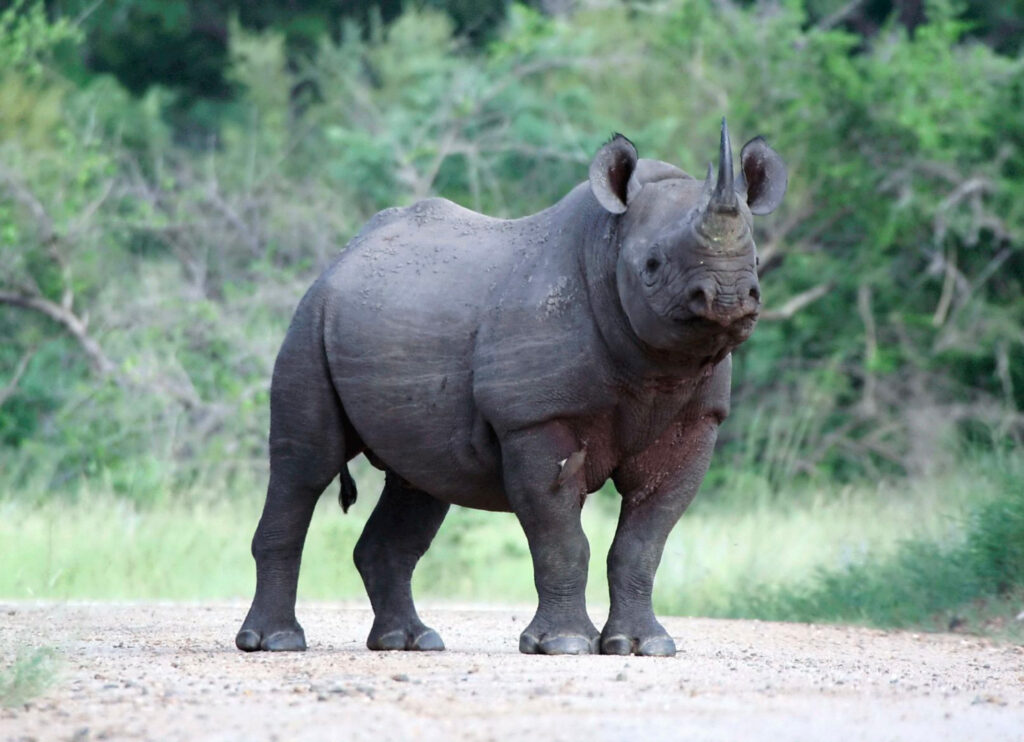
The Sumatran Rhino, also known as the Sunda Rhino, is one of the five species of rhinoceros and is considered an extremely rare and endangered species. With only 75 individuals remaining in the wild, conservation efforts are crucial to ensure its survival.
Classification and Description
Physical Appearance
The Sumatran Rhino is smaller than the Indian Rhino, but larger than the Bornean Rhino. Its height can reach up to 2-4 meters (6-13 feet) and the shoulder height of 140-170 centimeters (55-67 inches). The Rhino’s skin is covered in folds that resemble armor, but these folds are shorter than those of the Indian Rhino.
Differences from Other Species
The Sumatran Rhino has a unique set of characteristics that distinguish it from other rhino species. For example, its head is longer and narrower than those of other rhinos. Additionally, the Rhino’s neck has only one fold, whereas other rhinos have two folds.
One of the most distinctive features of the Sumatran Rhino is its horn, which is made up of keratin, a protein found in animal skin and hair. The horn is long and thin, and can grow up to 1 meter (3.3 feet) in length. The horn serves as a defense mechanism, as well as a means of attracting mates.
Habitat and Distribution
Protected Areas
The majority of Sumatran Rhinos can be found within the Ujung Kulon National Park on the island of Java. This protected area was established in 1980 and declared a UNESCO World Heritage Site in 1991.
Remaining Population
According to recent data, there are approximately 70 individuals remaining in the wild, with most living within the Ujung Kulon National Park. However, there are also isolated populations in other protected areas throughout Indonesia.
The Sumatran Rhino is critically endangered due to habitat loss, poaching, and reduced genetic diversity. Conservation efforts are essential to protect this unique species.
Conservation Efforts
International Collaborations
Several international organizations are working together to conserve the Sumatran Rhino. For example, the World Wildlife Fund (WWF) is promoting habitat protection and combating wildlife trafficking.
Additionally, the Sumatran Rhino has been listed on the Convention on International Trade in Endangered Species of Wild Fauna and Flora (CITES), which regulates international trade in endangered species.
Breeding Programs
To increase the population of Sumatran Rhinos, breeding programs have been established in captivity. These programs involve selecting healthy individuals and breeding them under controlled conditions to preserve genetic diversity.
In addition, conservation centers have been created where Sumatran Rhinos can live safely and be bred, away from external threats.
Research and Monitoring
Researchers are working to understand the behavior, habitat needs, and population dynamics of the Sumatran Rhino. This research is crucial for developing effective conservation strategies.
Monitoring programs are also in place to track the movement and behavior of individual rhinos, as well as to detect poaching activity and habitat loss.
Threats and Risks
Poaching
Poaching is one of the primary threats to the Sumatran Rhino’s survival. The demand for rhino horn, which is made from keratin, a protein found in animal skin and hair, has led to widespread poaching.
Despite international laws prohibiting the trade in rhino horn, poaching continues to be a significant threat.
Habitat Loss
Habitat loss due to deforestation and agricultural expansion has also contributed to the Sumatran Rhino’s decline. The construction of roads and infrastructure has further fragmented habitats, isolating remaining populations.
In addition, the Sumatran Rhino is vulnerable to climate change, which can alter its habitat and make it more difficult for the species to survive.
Conservation Success Stories
Despite the many challenges facing the Sumatran Rhino, there are several conservation success stories that offer hope for the future of this endangered species.
One notable example is the reintroduction of rhinos from captivity into the wild. This program has been successful in increasing the population of Sumatran Rhinos and providing a safe haven for breeding and rearing young animals.
Another success story is the establishment of protected areas, such as national parks and wildlife reserves, which provide a safe habitat for the Sumatran Rhino to live and breed.
Frequently Asked Questions
- Q: What is the main threat to the Sumatran Rhino’s survival?
A: The main threats to the Sumatran Rhino’s survival are poaching and habitat loss due to deforestation and agricultural expansion. - Q: How many individuals of the Sumatran Rhino remain in the wild?
A: There are approximately 70 individuals remaining in the wild, with most living within the Ujung Kulon National Park. - Q: What is being done to protect the Sumatran Rhino’s habitat?
A: Conservation efforts include protecting and expanding protected areas, as well as promoting sustainable land-use practices. - Q: Are there any breeding programs in place for the Sumatran Rhino?
A: Yes, breeding programs are established in captivity to increase the population of Sumatran Rhinos. -
Q: Why is it important to conserve the Sumatran Rhino?
A: The Sumatran Rhino is an endangered species that plays a vital role in maintaining its ecosystem. Its loss could have significant impacts on biodiversity and ecosystem health. -
Q: What can individuals do to help protect the Sumatran Rhino?
A: Individuals can support conservation efforts by donating to reputable organizations, spreading awareness about the species’ plight, and promoting sustainable practices. - Q: How long will it take for the Sumatran Rhino population to recover?
A: The recovery of the Sumatran Rhino population is a long-term process that requires continued conservation efforts and support. - Q: Are there any success stories from conservation efforts aimed at protecting the Sumatran Rhino?
A: Yes, there have been successes in conserving the Sumatran Rhino through habitat protection and breeding programs, leading to an increase in the population of this endangered species.
Conclusion
The Sumatran Rhino is a unique and fascinating species that requires our attention and support. Through conservation efforts, research, and education, we can help protect this endangered species and preserve its place in our ecosystem.
By working together, we can make a difference for the Sumatran Rhino and other endangered species around the world.


