
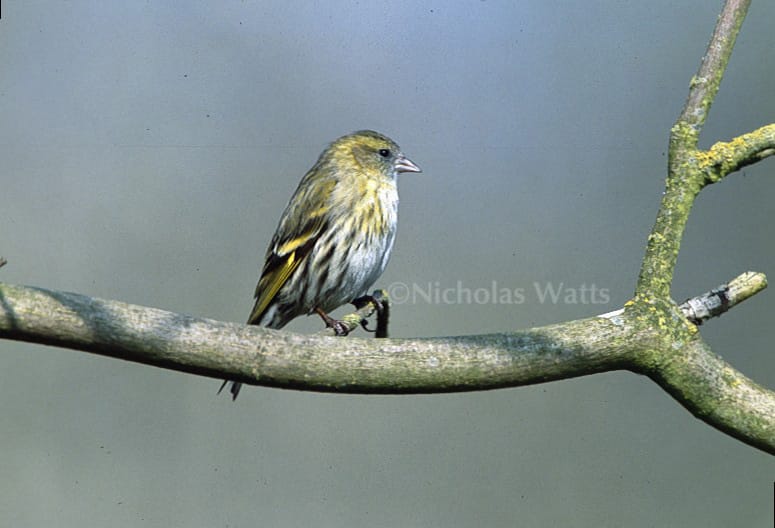
As we delve into the world of birds, one species that stands out for its unique characteristics is the Lucherino. In this article, we will explore the key features of this small bird, its habitat, and how to care for it. Let’s embark on a journey to discover the wonders of the Lucherino.
Characteristics of the Lucherino
The Lucherino measures approximately 10 centimeters in length and weighs up to 15 grams. Its wingspan is just over 20 centimeters. The two sexes can be distinguished by their distinct features: males have a black forehead, calotta, and throat patch, while females lack these markings. Males also exhibit a more pronounced yellow pigment on their plumage.
The young Lucherinos resemble females until they reach maturity, at which point they develop the characteristic male coloration. This bird’s diet consists mainly of seeds, with a preference for oily seeds, as well as insects and small invertebrates.
Habitat of the Lucherino
The Lucherino is found throughout Europe, except for the harsh northern regions of Scandinavia and Iceland. During colder months, they migrate to North Africa, southern Europe, and the Middle East. In Italy, it is a breeding species, with sedentary colonies mostly located in the plains.
For the Lucherino, Italy serves as a crucial crossroads for European migratory routes. These birds are adaptable and can be found in both temperate forests and mountainous regions.
Allevamento del Lucherino
In Italy, the Lucherino is protected, which might lead one to believe it’s easy to care for in captivity. However, this species presents some challenges. Providing ample space is crucial, as they have a high metabolism and tend to overeat if not given sufficient exercise. A well-balanced diet is also essential.
Riproduzione del Lucherino
Lucherino breeding typically begins in April, when females lay three to five eggs. The male’s courtship involves preening his feathers and displaying his yellow coloration on his tail. During this time, the pair isolates themselves, forming small groups of up to 12 birds.
The female is solely responsible for incubating the eggs for about two weeks. Once hatched, the young pulicins receive food from both parents and are able to fly autonomously by the end of their first month.
Canto del Lucherino
The Lucherino’s song retains some characteristics of the Canarino’s call but has distinct variations. The species is known for its distinctive lamenting cry, often accompanied by a melodious chorus when in groups.
To listen to the Lucherino’s song, click here: [insert link]
Conservation Status
The Lucherino is listed as Least Concern on the International Union for Conservation of Nature (IUCN) Red List. However, their populations are declining due to habitat loss and fragmentation, as well as climate change.
Interesting Facts About the Lucherino
- The Lucherino’s unique song can be heard in various regions, including Europe, North Africa, and the Middle East.
- In some parts of Italy, the Lucherino is considered a symbol of good luck.
- These birds are known for their intelligence and have been observed using tools to extract food from hard-to-reach places.
- The Lucherino’s diet consists mainly of seeds, but they also consume insects and small invertebrates.
How to Attract Lucherinos to Your Garden
Attracting Lucherinos to your garden can be challenging due to their specific dietary needs. However, by providing the following features, you may increase the chances of attracting these birds:
- Native Plants: Plant native trees and shrubs that produce seeds, such as olive trees and rosemary.
- Insect-Friendly Plants: Incorporate plants that attract insects, such as lavender and marigolds.
- Water Source: Provide a shallow water source, such as a birdbath or pond, with fresh water and minimal disturbance.
- Shelter: Create sheltered areas, such as native grasslands or shrublands, to provide protection from harsh weather conditions.
Tips for Caring for Lucherinos in Captivity
- Provide Ample Space: Ensure that your cage or enclosure is large enough to accommodate the bird’s wingspan and flight activity.
- Balanced Diet: Offer a balanced diet that includes seeds, insects, and small invertebrates.
- Fresh Water: Provide fresh water at all times, changed daily to prevent bacterial growth.
- Social Interaction: Spend time with your Lucherino daily, engaging in playtime activities and providing mental stimulation.
Conclusion
In conclusion, the Lucherino is a fascinating bird that deserves our attention and care. Its unique characteristics, adaptability, and interesting behavior make it an ideal subject for study and appreciation.
By following this guide and understanding the unique characteristics and habits of the Lucherino, we can work towards preserving these amazing birds for future generations.
Frequently Asked Questions (FAQs)
- What is the average lifespan of a Lucherino?
The Lucherino can live up to 10 years in the wild, making it one of the longer-lived bird species. - How do I care for a Lucherino in captivity?
Provide ample space and a balanced diet that includes seeds, insects, and small invertebrates. - What is the typical habitat of the Lucherino?
The Lucherino can be found in temperate forests and mountainous regions throughout Europe. - Can I have multiple Lucherinos as pets?
Due to their social nature, it’s recommended to keep them in pairs or small groups under close supervision. - How do Lucherinos reproduce?
Lucherinos breed from April to June, with males engaging in courtship displays and females laying 3-5 eggs per clutch. - Can I attract a Lucherino to my garden?
While possible, attracting these birds can be challenging due to their specific dietary needs. - What is the typical lifespan of a Lucherino in captivity?
With proper care, Lucherinos can live up to 10 years in captivity.
By answering these questions and understanding the unique characteristics and habits of the Lucherino, we can work towards preserving these amazing birds for future generations.


