
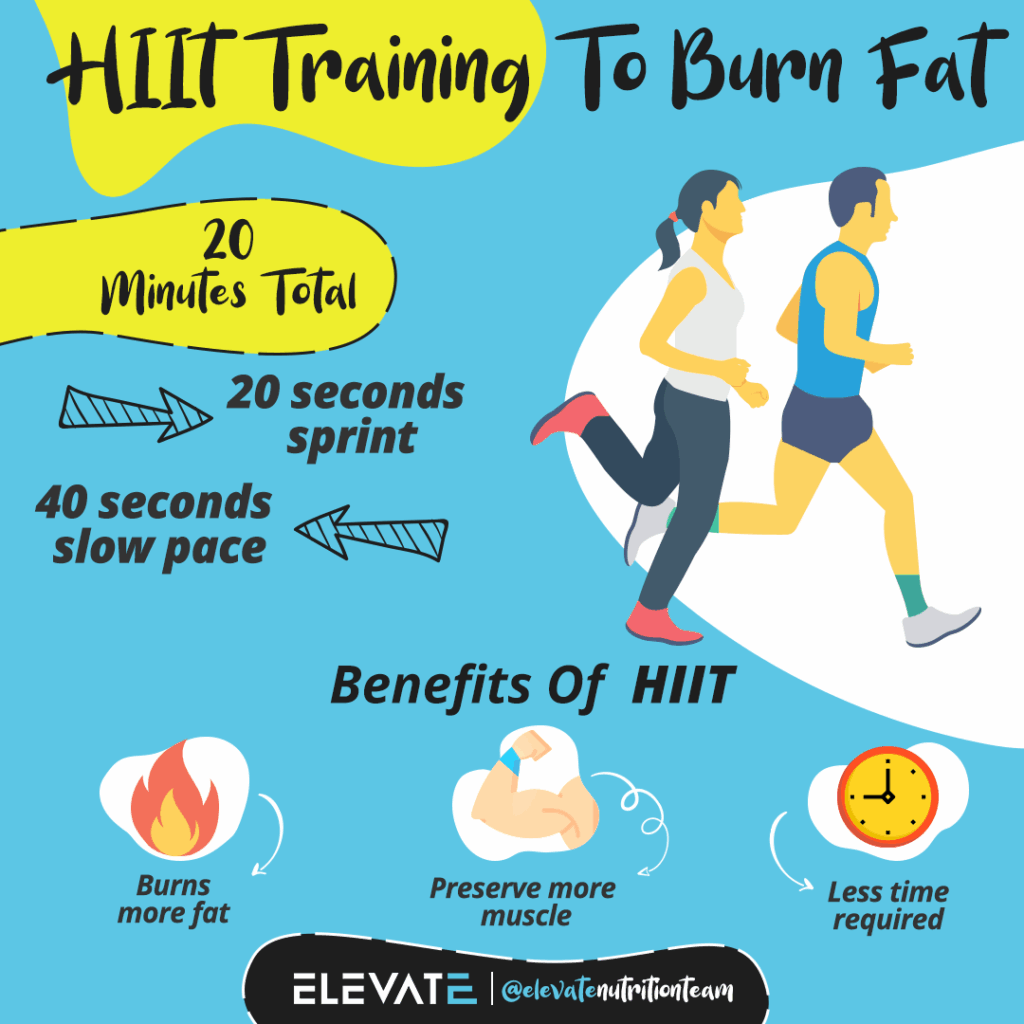
As a fitness enthusiast, you might have come across the term “interval training” but wondered what it’s all about. In this article, we’ll delve into the world of interval training, its benefits, and how to incorporate it into your fitness routine.
What is Interval Training?
Interval training is an exercise technique that involves alternating between periods of high-intensity exercise and periods of low-intensity exercise. This type of training is also known as HIIT (High-Intensity Interval Training) and has become a popular trend in the fitness world. The goal of interval training is to push your body to its limits, improve cardiovascular health, and increase muscle strength.
How Does Interval Training Work?
During an interval training session, you’ll alternate between high-intensity exercises like sprints or burpees and low-intensity exercises like jogging or cycling. The intensity of the exercises will determine the amount of oxygen your body uses, which in turn affects your heart rate and breathing. By alternating between these two states, your body adapts to the stress and becomes more efficient at delivering oxygen and nutrients to your muscles.
Benefits of Interval Training
Interval training offers numerous benefits for fitness enthusiasts, including:
- Improved cardiovascular health: Interval training increases heart rate and blood flow, which can help reduce the risk of heart disease and stroke.
- Increased muscle strength: High-intensity interval training can help build muscle mass and improve overall physical strength.
- Enhanced endurance: As you get more comfortable with interval training, your body adapts to the stress and becomes more efficient at delivering oxygen and nutrients to your muscles, which can improve your overall endurance.
- Weight loss: Interval training can help burn calories and aid in weight loss, especially when combined with a healthy diet.
- Improved mental clarity and focus: The intense bursts of exercise can help increase dopamine levels in the brain, which can improve mood and reduce stress.
But interval training isn’t just limited to weight loss. It can also improve your overall athletic performance, increase your stamina, and boost your mood.
How to Get Started with Interval Training
If you’re new to interval training, it’s essential to start slowly and gradually build up your endurance. Here are some tips to get you started:
- Begin with short intervals (20-30 seconds) of high-intensity exercise followed by 1-2 minutes of low-intensity exercise.
- Gradually increase the duration and intensity of your intervals as you become more comfortable with the routine.
- Incorporate interval training into your existing workout routine, or start a new program that includes HIIT workouts.
- Use a timer to track your intervals and keep yourself motivated.
Real-Life Examples of Interval Training
Interval training can be applied to various sports and activities, including:
- Running: Alternate between sprints and jogging to improve cardiovascular health and endurance.
- Cycling: Incorporate high-intensity interval training into your cycling routine to boost muscle strength and endurance.
- Swimming: Use interval training to improve your swimming technique and increase your overall fitness level.
Tips for Success
Here are some additional tips to help you succeed with interval training:
- Listen to your body: If you’re feeling tired or experiencing pain, take a break and rest.
- Stay hydrated: Drink plenty of water before, during, and after your workout to stay hydrated and avoid dehydration.
- Warm up and cool down: Take the time to warm up before starting your interval training session, and cool down afterwards to prevent injury.
Frequently Asked Questions
Here are some frequently asked questions about interval training:
- Is interval training safe for everyone?
Answer: Interval training can be modified to suit individual fitness levels, but it’s essential to consult with a healthcare professional before starting any new exercise program. - How often should I do interval training?
Answer: Aim to do interval training at least 2-3 times per week, allowing for rest days in between. - What are the best exercises for interval training?
Answer: The best exercises for interval training vary depending on your fitness goals and preferences, but common options include sprints, burpees, jump squats, and mountain climbers. - Can I do interval training at home?
Answer: Yes, you can do interval training at home with minimal equipment or no equipment at all. Simply find a safe space to move around, such as a living room or backyard, and get moving! - Is interval training suitable for beginners?
Answer: Interval training can be challenging for beginners, but it’s not impossible. Start slowly, listen to your body, and gradually increase the intensity and duration of your workouts.
Common Mistakes to Avoid
Here are some common mistakes to avoid when doing interval training:
- Not warming up properly before starting your workout.
- Not cooling down afterwards to prevent injury.
- Not listening to your body and taking breaks when needed.
- Doing too many intervals in a row without adequate rest time.
Conclusion
Interval training is a game-changer for fitness enthusiasts looking to improve their cardiovascular health, increase muscle strength, and enhance endurance. By incorporating interval training into your existing workout routine or starting a new program, you can experience the many benefits of this exercise technique. Remember to listen to your body, stay hydrated, warm up and cool down, and consult with a healthcare professional before starting any new exercise program.
FAQs
- Is interval training safe for everyone?
Interval training can be modified to suit individual fitness levels, but it’s essential to consult with a healthcare professional before starting any new exercise program. - How often should I do interval training?
Aim to do interval training at least 2-3 times per week, allowing for rest days in between. - What are the best exercises for interval training?
The best exercises for interval training vary depending on your fitness goals and preferences, but common options include sprints, burpees, jump squats, and mountain climbers. - Can I do interval training at home?
Yes, you can do interval training at home with minimal equipment or no equipment at all. Simply find a safe space to move around, such as a living room or backyard, and get moving! - Is interval training suitable for beginners?
Interval training can be challenging for beginners, but it’s not impossible. Start slowly, listen to your body, and gradually increase the intensity and duration of your workouts.
Interval Training Programs
Here are some popular interval training programs that you can try:
- HIIT (High-Intensity Interval Training): This program involves alternating between high-intensity exercises like sprints or burpees and low-intensity exercises like jogging or cycling.
- Tabata: This program involves 20 seconds of all-out effort followed by 10 seconds of rest. Repeat for a total of 8 rounds.
- Circuit training: This program involves completing a series of exercises in rapid succession, with minimal rest time between each exercise.
Conclusion
Interval training is a game-changer for fitness enthusiasts looking to improve their cardiovascular health, increase muscle strength, and enhance endurance. By incorporating interval training into your existing workout routine or starting a new program, you can experience the many benefits of this exercise technique. Remember to listen to your body, stay hydrated, warm up and cool down, and consult with a healthcare professional before starting any new exercise program.
Additional Resources
Here are some additional resources that you can use to learn more about interval training:
- American Council on Exercise (ACE) Fitness: This organization provides a wealth of information on HIIT workouts and other fitness-related topics.
- National Academy of Sports Medicine (NASM): This organization offers fitness programs and workshops on HIIT workouts and other fitness-related topics.
- YouTube Fitness Channels: There are many fitness channels on YouTube that offer interval training workouts and tutorials.
Final Thoughts
Interval training is a powerful tool for improving your cardiovascular health, increasing muscle strength, and enhancing endurance. By incorporating interval training into your existing workout routine or starting a new program, you can experience the many benefits of this exercise technique. Remember to listen to your body, stay hydrated, warm up and cool down, and consult with a healthcare professional before starting any new exercise program.
Getting Started with Interval Training
If you’re new to interval training, it’s essential to start slowly and gradually build up your endurance. Here are some tips to get you started:
- Begin with short intervals (20-30 seconds) of high-intensity exercise followed by 1-2 minutes of low-intensity exercise.
- Gradually increase the duration and intensity of your intervals as you become more comfortable with the routine.
- Incorporate interval training into your existing workout routine, or start a new program that includes HIIT workouts.
- Use a timer to track your intervals and keep yourself motivated.
Tips for Success
Here are some additional tips to help you succeed with interval training:
- Listen to your body: If you’re feeling tired or experiencing pain, take a break and rest.
- Stay hydrated: Drink plenty of water before, during, and after your workout to stay hydrated and avoid dehydration.
- Warm up and cool down: Take the time to warm up before starting your interval training session, and cool down afterwards to prevent injury.
Common Mistakes to Avoid
Here are some common mistakes to avoid when doing interval training:
- Not warming up properly before starting your workout.
- Not cooling down afterwards to prevent injury.
- Not listening to your body and taking breaks when needed.
- Doing too many intervals in a row without adequate rest time.
Conclusion
Interval training is a game-changer for fitness enthusiasts looking to improve their cardiovascular health, increase muscle strength, and enhance endurance. By incorporating interval training into your existing workout routine or starting a new program, you can experience the many benefits of this exercise technique. Remember to listen to your body, stay hydrated, warm up and cool down, and consult with a healthcare professional before starting any new exercise program.
Additional Resources
Here are some additional resources that you can use to learn more about interval training:
- American Council on Exercise (ACE) Fitness: This organization provides a wealth of information on HIIT workouts and other fitness-related topics.
- National Academy of Sports Medicine (NASM): This organization offers fitness programs and workshops on HIIT workouts and other fitness-related topics.
- YouTube Fitness Channels: There are many fitness channels on YouTube that offer interval training workouts and tutorials.
Final Thoughts
Interval training is a powerful tool for improving your cardiovascular health, increasing muscle strength, and enhancing endurance. By incorporating interval training into your existing workout routine or starting a new program, you can experience the many benefits of this exercise technique. Remember to listen to your body, stay hydrated, warm up and cool down, and consult with a healthcare professional before starting any new exercise program.
Conclusion
Interval training is a powerful tool for improving cardiovascular health, increasing muscle strength, and enhancing endurance. By incorporating interval training into your existing workout routine or starting a new program, you can experience the many benefits of this exercise technique. Remember to listen to your body, stay hydrated, warm up and cool down, and consult with a healthcare professional before starting any new exercise program.
Additional Resources
Here are some additional resources that you can use to learn more about interval training:
- American Council on Exercise (ACE) Fitness: This organization provides a wealth of information on HIIT workouts and other fitness-related topics.
- National Academy of Sports Medicine (NASM): This organization offers fitness programs and workshops on HIIT workouts and other fitness-related topics.
- YouTube Fitness Channels


