
Understanding Conjunctivitis in Dogs: Causes, Symptoms, and Treatment
As a pet owner, there’s nothing more distressing than seeing your furry friend suffer from eye problems. One common issue that affects dogs is conjunctivitis, an inflammation of the conjunctiva that can cause discomfort, redness, and discharge. In this article, we’ll delve into the causes and symptoms of conjunctivitis in dogs, as well as effective treatment options to help your pet feel better.
What is Conjunctivitis in Dogs?
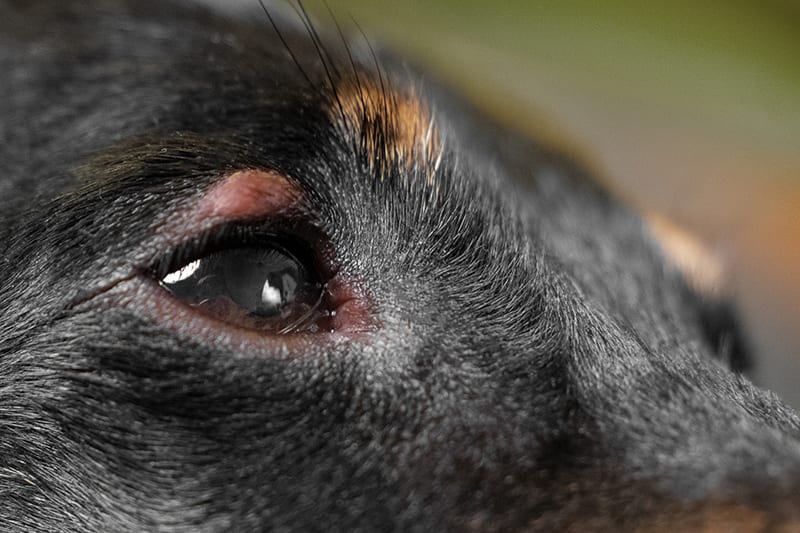
Conjunctivitis in dogs is an inflammation of the conjunctiva, a membrane that covers the white part of the eye and the inner eyelid. This delicate tissue plays a crucial role in protecting the eyes from foreign particles, bacteria, and other external irritants. When the conjunctiva becomes inflamed, it can lead to symptoms such as redness, discharge, and photophobia (sensitivity to light).
Types of Conjunctivitis in Dogs
Conjunctivitis can manifest in different forms, including:
- Neonatal Conjunctivitis: This type occurs shortly after birth and is usually caused by bacteria that enter the eye through the back of the eyelid. In this case, the puppy’s eyes may appear swollen or have protrusions, making it difficult for them to open properly.
- Allergic Conjunctivitis: This type is triggered by allergies, such as pollen, dust, or certain substances in the environment. Symptoms include redness, itching, and discharge.
- Infectious Conjunctivitis: This type is caused by a bacterial or viral infection, which can lead to symptoms like discharge, redness, and swelling.
Causes of Conjunctivitis in Dogs
Conjunctivitis can be triggered by various factors, including:
- Environmental irritants: Dust, pollen, sand, and long fur can irritate the eyes and cause inflammation.
- Foreign objects: Insects, debris, or other foreign particles can enter the eye and cause an inflammatory response.
- Infections: Bacterial or viral infections can lead to conjunctivitis.
Symptoms of Conjunctivitis in Dogs
The symptoms of conjunctivitis in dogs can vary depending on the type and severity of the condition. Common signs include:
- Redness: The affected eye may appear red, pink, or purple due to inflammation.
- Discharge: A thick, yellowish discharge may be present, especially in cases of infectious conjunctivitis.
- Photophobia: Dogs with conjunctivitis may exhibit sensitivity to light, avoiding bright environments or closing their eyes when exposed to direct sunlight.
Diagnosing Conjunctivitis in Dogs
To diagnose conjunctivitis in dogs, a veterinarian will perform a thorough examination of the affected eye. They may use:
- Visual inspection: A careful examination of the eye to check for signs of inflammation and discharge.
- Tear culture: A sample of tears is collected to check for bacterial or viral infections.
- Biopsy: A small tissue sample may be taken from the conjunctiva to rule out other conditions.
Treatment Options for Conjunctivitis in Dogs
Depending on the type and severity of conjunctivitis, treatment options may include:
- Antibiotics: Prescription antibiotics may be necessary to treat bacterial infections.
- Antihistamines: Antihistamines can help alleviate symptoms of allergic conjunctivitis.
- Cauterization: In severe cases, a cauterization procedure may be performed to remove infected tissue.
Preventing Conjunctivitis in Dogs
To prevent conjunctivitis in dogs, follow these tips:
- Regular veterinary check-ups: Schedule regular appointments with your veterinarian to monitor your dog’s eye health.
- Keep the environment clean: Regularly clean and disinfect surfaces and toys to reduce exposure to environmental irritants.
- Avoid sharing personal items: Refrain from sharing food, water bowls, or other personal items with your dog to prevent the spread of infections.
Conclusion
Conjunctivitis is a common eye problem that can affect dogs. By understanding its causes, symptoms, and treatment options, you can help your pet feel better. Remember to consult with a veterinarian if you suspect conjunctivitis in your dog, as prompt action can make all the difference in preventing further complications.
FAQs
- What are the signs of conjunctivitis in dogs?
- Redness
- Discharge
- Photophobia
- How is conjunctivitis diagnosed in dogs?
- Visual inspection
- Tear culture
- Biopsy
- What are the treatment options for conjunctivitis in dogs?
- Antibiotics
- Antihistamines
- Cauterization
- How can I prevent conjunctivitis in my dog?
- Regular veterinary check-ups
- Keeping the environment clean
- Avoiding sharing personal items
- Can I treat conjunctivitis in dogs at home?
- No, it’s essential to consult with a veterinarian for proper treatment and diagnosis.
- How long does conjunctivitis in dogs last?
- The duration of conjunctivitis varies depending on the type and severity of the condition.
- Can I give my dog over-the-counter medication for conjunctivitis?
- No, it’s best to consult with a veterinarian for proper treatment and diagnosis.
- Is conjunctivitis contagious in dogs?
- No, conjunctivitis is not contagious between dogs.


