
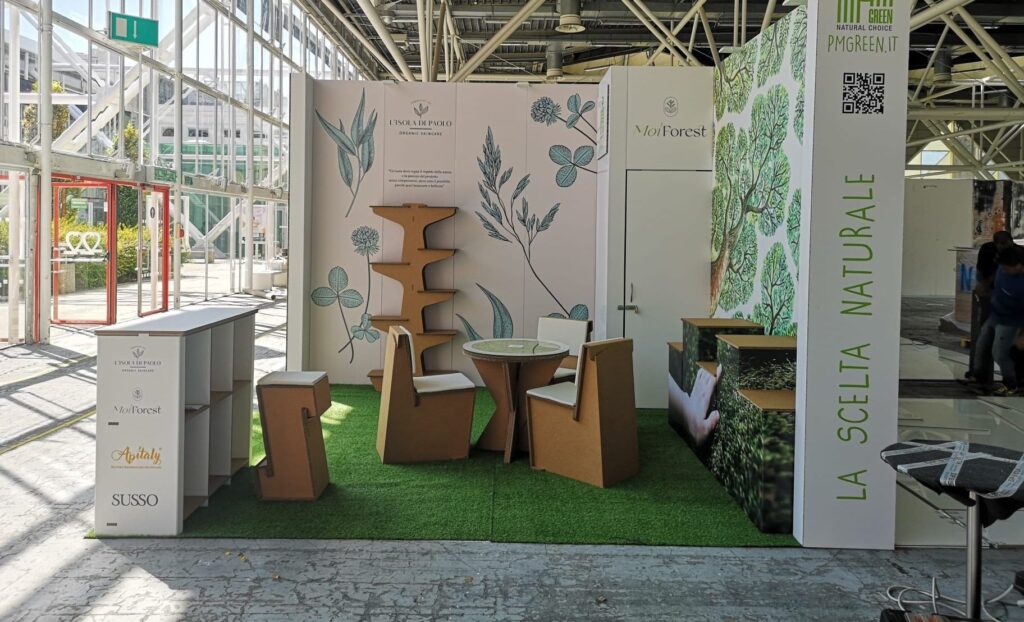
As I stepped into the Salone del Mobile 2012 in Milan, I couldn’t help but notice a sea of green that seemed to permeate every corner of the show. From the modern design studios to the traditional manufacturers, it was clear that this year’s edition was all about embracing the eco-friendly and sustainable lifestyle. But what sparked this sudden fascination with the color green? Was it just a passing trend, or was something more profound at play?
The Rise of Sustainable Design
As I wandered through the halls, I saw designs that were both functional and environmentally conscious. Sgabelli a bicicletta (bicycle stools) for a morning coffee break, walls adorned with vases filled with fresh herbs – it was as if nature had taken over. The concept of “green” seemed to be woven into every aspect of the exhibition, from the materials used to the overall aesthetic.
But where was this emphasis on sustainability coming from? Was it just a marketing gimmick or a genuine movement towards a more environmentally friendly future?
A Missing Piece: The Green Section
As I explored the Salone del Mobile 2012, I couldn’t help but wonder why there wasn’t a dedicated section for sustainable design. It seemed that every manufacturer was already incorporating eco-friendly elements into their products – from natural materials to water-efficient appliances.
But where did this “green” trend begin? Was it a result of changing consumer behaviors or a response to growing environmental concerns?
A Conversation with the Experts
To get to the bottom of these questions, I spoke with some of the experts in the field. Marta Abbà, one of the curators of the Salone del Mobile 2012, shared her insights on the rise of sustainable design.
“For us, the green trend is not just about aesthetics; it’s about creating products that are both functional and environmentally responsible,” she said. “We’re seeing a shift in consumer behavior, where people are becoming more aware of the impact of their purchasing decisions on the environment.”
The Future of Sustainable Design
As I looked around the Salone del Mobile 2012, I couldn’t help but feel a sense of excitement about the future of sustainable design. The show was a testament to the power of innovation and creativity in driving positive change.
But what does this mean for consumers? How can we incorporate more eco-friendly elements into our daily lives?
The Impact of Sustainable Design on the Environment
Sustainable design has the potential to significantly reduce waste, energy consumption, and environmental pollution. By incorporating eco-friendly materials and practices into product design, manufacturers can minimize their carbon footprint and contribute to a more sustainable future.
One of the most significant benefits of sustainable design is its ability to promote recycling and upcycling. By designing products with recyclability in mind, manufacturers can reduce waste and encourage consumers to reuse and repurpose items instead of discarding them.
The Role of Technology in Sustainable Design
Technology plays a crucial role in sustainable design. From energy-efficient appliances to smart home systems, technology can help reduce energy consumption and promote sustainability.
For example, companies like IKEA are using advanced technologies like LED lighting and solar panels to power their stores and manufacturing facilities. These efforts not only reduce energy consumption but also contribute to a more sustainable future.
The Importance of Education
Education is crucial in promoting sustainable design. By educating consumers about the benefits of eco-friendly products and practices, manufacturers can encourage behavioral change and promote sustainability.
Incorporating sustainability into education curricula can also help shape future generations’ attitudes towards the environment. By teaching children about the importance of sustainability and the impact of their purchasing decisions on the environment, we can foster a more sustainable future.
The Impact of Sustainable Design on Business
Sustainable design is not just good for the environment; it’s also beneficial for businesses. By incorporating eco-friendly practices into their operations, companies can reduce costs associated with waste management and energy consumption.
Additionally, sustainable design can help companies differentiate themselves from competitors and attract environmentally conscious consumers. In today’s market, sustainability has become a key factor in driving consumer choice.
The Challenge of Scaling Sustainable Design
While the benefits of sustainable design are clear, scaling up eco-friendly practices can be challenging. One of the biggest hurdles is cost – many manufacturers struggle to balance the high costs associated with sustainable materials and practices with the need to remain competitive.
To overcome this challenge, companies must invest in research and development, seeking out innovative solutions that reduce costs without compromising on sustainability.
The Role of Policy and Regulation
Policy and regulation play a critical role in promoting sustainable design. Governments can create incentives for manufacturers to adopt eco-friendly practices by offering tax breaks or subsidies for companies that prioritize sustainability.
Additionally, regulations like the EU’s Waste Electrical and Electronic Equipment (WEEE) Directive can help reduce electronic waste and promote recycling.
The Future of Sustainable Design: A Call to Action
As I looked around the Salone del Mobile 2012, I couldn’t help but feel a sense of excitement about the future of sustainable design. The show was a testament to the power of innovation and creativity in driving positive change.
But what does this mean for us? How can we contribute to a more sustainable future?
Conclusion
The Salone del Mobile 2012 was a turning point in the world of sustainable design. It showed us that the future is green, and that it’s not just a trend – but a way of life.
As we move forward, it’s essential to continue pushing boundaries and exploring new ways to reduce our environmental footprint. The future of sustainability depends on our collective efforts.
Frequently Asked Questions
- What sparked the green trend at Salone del Mobile 2012?
The rise of sustainable design was driven by a growing awareness of environmental concerns and a shift in consumer behavior. - Why wasn’t there a dedicated section for sustainable design?
The concept of “green” was already woven into every aspect of the exhibition, making it unnecessary to dedicate a separate section. - What does the future hold for sustainable design?
The future of sustainability depends on our collective efforts and continued innovation in eco-friendly product design. - How can consumers incorporate more eco-friendly elements into their daily lives?
By adopting sustainable practices, such as reducing energy consumption and using environmentally friendly products. - What role does education play in promoting sustainable design?
Education is crucial in raising awareness about environmental concerns and inspiring behavioral change. - Can sustainable design be achieved without sacrificing style or functionality?
Absolutely – many eco-friendly designs are not only functional but also aesthetically pleasing. - How can manufacturers balance sustainability with profitability?
By incorporating eco-friendly elements into products while maintaining affordability and quality. - What is the impact of sustainable design on the environment?
Sustainable design has the potential to significantly reduce waste, energy consumption, and environmental pollution.
Additional Resources
- The Green Building Council: A global network of businesses working together to create a more sustainable built environment.
- The Ellen MacArthur Foundation: A leading charity that aims to create a circular economy where waste is minimized and resources are kept in use for as long as possible.
- The Sustainable Design Institute: A leading organization dedicated to promoting sustainable design practices.
Conclusion
The Salone del Mobile 2012 was a showstopping celebration of eco-friendly design. As we move forward, it’s essential to continue pushing boundaries and exploring new ways to reduce our environmental footprint.
By incorporating sustainable design principles into our daily lives, we can create a more environmentally friendly future for generations to come.


