
Are you tired of lying awake at night, unable to catch a wink of sleep? Do you find yourself stuck in a cycle of anxiety and stress that makes it impossible to drift off? You’re not alone. Millions of people around the world struggle with insomnia, and it can have serious consequences for our physical and mental health.
But what if I told you that there are ways to overcome this common problem? That with the right techniques and strategies, you can learn to fall asleep quickly and sleep soundly? In this article, we’ll explore some of the most effective methods for falling asleep fast, from relaxation techniques to lifestyle changes.
Understanding the Science Behind Insomnia
Before we dive into the tips and tricks, it’s essential to understand why people get insomnia in the first place. It’s not just about being “tired” or feeling stressed; there are underlying physiological mechanisms at play. When our body temperature rises, for example, our brain produces more adrenaline, making it harder to fall asleep.
Additionally, exposure to screens before bed can suppress melatonin production, leading to a vicious cycle of anxiety and stress that makes it difficult to wind down. And let’s not forget about the impact of social media on our sleep habits – endless scrolling through our feeds can activate our brain’s reward system, making us feel wired and awake.
Consistency is Key: Tips for Improving Sleep
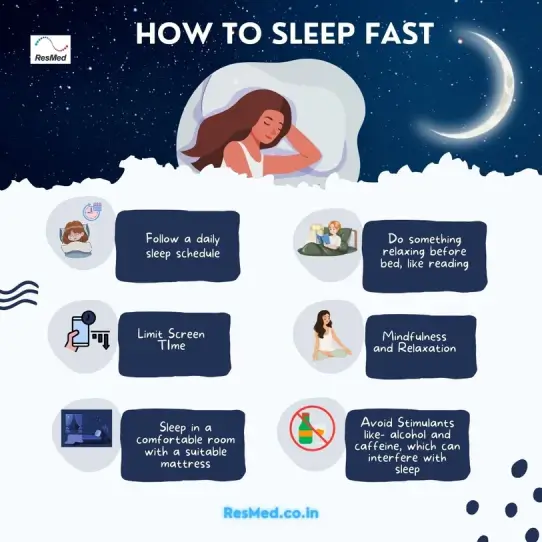
So, what can you do to improve your sleep? Here are some practical tips that might help:
- Establish a bedtime routine: Develop a calming pre-sleep routine that signals to your body that it’s time to wind down. This could include activities like reading, meditation, or a warm bath.
- Regular exercise is essential for overall health and can also improve sleep quality. Aim for at least 30 minutes of moderate-intensity exercise per day, but avoid vigorous exercise within 3 hours of bedtime.
- Avoid screens for at least an hour before bed, and use blue light filtering glasses or apps if you must stay up late.
- Create a sleep-conducive environment by keeping your bedroom cool, dark, and quiet.
Tricks for Falling Asleep Quickly
Now that we’ve covered some of the basics, let’s dive into some more advanced techniques for falling asleep quickly. Here are a few:
- The “4-7-8” Technique: This breathing exercise involves inhaling through your nose for a count of four, holding your breath for a count of seven, and exhaling through your mouth for a count of eight. Repeat this cycle several times to calm your mind and body.
- Progressive Muscle Relaxation: This technique involves tensing and relaxing different muscle groups in your body, starting with your toes and moving up to your head. This can help release physical tension and promote relaxation.
Advanced Techniques for Sleep
For those who struggle with insomnia or anxiety-related sleep issues, there are some more advanced techniques that might be worth exploring:
- Mindfulness Meditation: Regular mindfulness practice has been shown to improve sleep quality by reducing stress and increasing self-awareness.
- Yoga and Breathwork: Certain yoga poses and breathing exercises can help calm the nervous system and promote relaxation.
- Cognitive Behavioral Therapy for Insomnia (CBT-I): This type of therapy helps individuals identify and challenge negative thought patterns that contribute to insomnia.
Frequently Asked Questions
- How long does it take to train your brain to fall asleep?
Training your brain to fall asleep takes time and consistency. It’s not something you can learn overnight, but with regular practice and patience, you can develop new sleep habits. - Can I use medication to help me sleep?
While medication might seem like an easy solution, it’s essential to address the underlying causes of insomnia rather than just treating the symptoms. This approach may take longer, but it’s more likely to lead to long-term success. - What are some natural sleep aids that can help me relax?
There are several natural sleep aids you can try, such as melatonin supplements, valerian root tea, or a warm bath with Epsom salts. However, always consult with a healthcare professional before trying new remedies.
Falling asleep quickly and sleeping soundly is within reach. By understanding the science behind insomnia, implementing practical tips, and exploring advanced techniques, you can develop healthy sleep habits that improve your overall well-being.
Additional Strategies for Success
In addition to the strategies mentioned earlier, here are some more ideas to help you achieve a good night’s sleep:
- Keep a Sleep Diary: Tracking your sleep patterns can help you identify common issues and areas for improvement. Write down your bedtime routine, wake-up time, and any notable events or stressors that may be affecting your sleep.
- Experiment with Different Bedtimes: If you’re struggling to fall asleep due to irregular schedules, try establishing a consistent bedtime routine that works for you. This might mean going to bed earlier on weekends or later in the week.
Conclusion
Mastering the art of falling asleep is not just about finding a quick fix; it’s about cultivating healthy sleep habits and addressing underlying issues. By combining these strategies with patience and persistence, you can take control of your sleep and improve your overall quality of life.
Sleep is essential for our physical and mental health, so don’t let insomnia get the best of you. Take the first step towards a healthier, happier you by exploring these techniques and tips, and start sleeping soundly tonight.


