
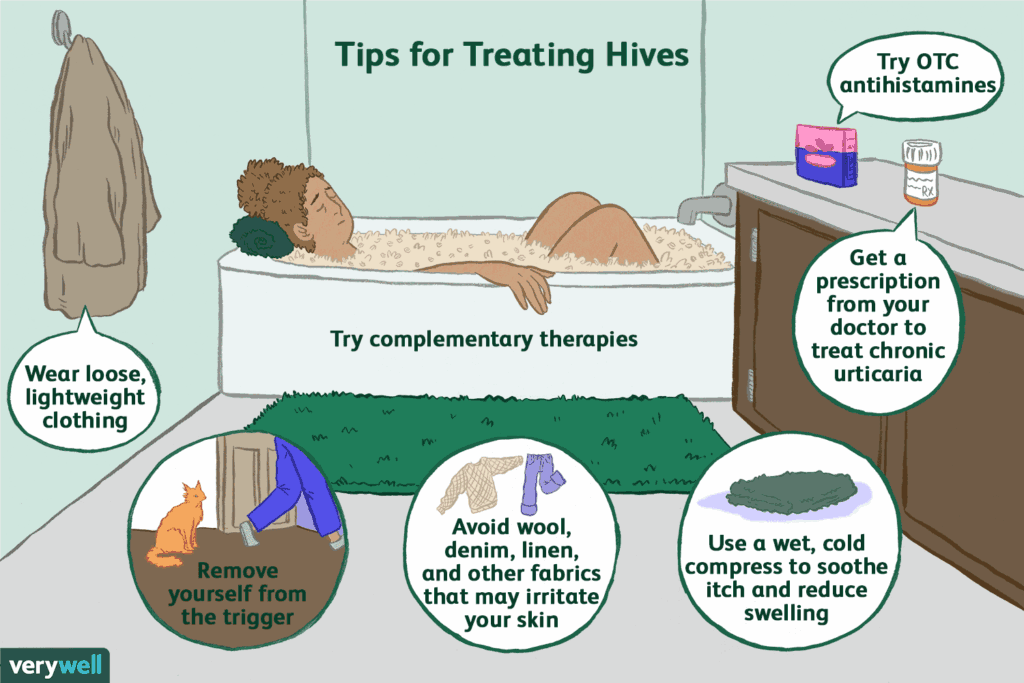
Introduction to Urticaria
Urticaria, also known as hives or allergic reactions, is a common skin condition characterized by the appearance of itchy, red, and swollen patches on the skin. These patches can be localized or widespread, and their symptoms can range from mild discomfort to severe pain. In this article, we’ll explore the causes, symptoms, and treatment options for urticaria, as well as some effective remedies to alleviate its symptoms.
Understanding Urticaria: Causes and Symptoms
Urticaria is caused by an allergic reaction or an immune response to a specific substance, such as pollen, dust mites, or certain foods. The most common allergen responsible for urticaria is the poison ivy plant. When you come into contact with this plant, your skin responds by releasing histamine, leading to the characteristic symptoms of urticaria.
The symptoms of urticaria can vary in severity and may include:
- Redness and swelling of the affected area
- Itching or pruritus
- Blisters or vesicles
- Hives that can be localized or widespread
When to Seek Medical Attention
While most cases of urticaria are mild and temporary, it’s essential to seek medical attention if you experience any of the following:
- Severe itching or pain
- Difficulty breathing or swallowing
- Swollen lymph nodes
- Fever
- Prolonged duration of symptoms
Natural Remedies for Urticaria
Fortunately, there are several natural remedies that can help alleviate the symptoms of urticaria. Here are some effective options:
Removing Irritants and Cleaning the Skin
To alleviate the symptoms of urticaria, it’s essential to remove any potential irritants from your skin. This means washing your hands, clothes, and accessories thoroughly with soap and water.
- Wash your hair regularly, especially if you’ve come into contact with poison ivy or other allergens.
- Clean your clothing and bedding as soon as possible after exposure.
- Wear gloves when handling plants or other potential allergens.
Home Remedies for Urticaria
Here are some effective home remedies to alleviate the symptoms of urticaria:
Cold Compresses
Apply a cold compress to the affected area to reduce itching and inflammation. Soak a cloth in cold water, wring it out, and apply it to the skin.
- Alternate between warm and cold compresses to achieve optimal relief.
- Repeat the process as needed throughout the day.
Aloe Vera Gel
Aloe vera gel has anti-inflammatory and soothing properties that can help alleviate itching and inflammation. Apply a thin layer of aloe vera gel to the affected area and massage it gently into the skin.
- Look for pure aloe vera gel without any additives or chemicals.
- Repeat as needed throughout the day.
Olive Oil
Olive oil has anti-inflammatory properties that can help reduce itching and inflammation. Mix equal parts olive oil and water to create a paste, and apply it to the affected area.
- Gently massage the paste into the skin.
- Repeat as needed throughout the day.
Tea Tree Oil
Tea tree oil has antifungal and antibacterial properties that can help reduce inflammation and itching. Mix a few drops of tea tree oil with olive oil or coconut oil, and apply it to the affected area.
- Dilute the tea tree oil with a carrier oil first.
- Repeat as needed throughout the day.
Calamine Loction
Calamine lotion is a natural remedy that can help soothe itching and inflammation. Apply a thin layer of calamine lotion to the affected area and massage it gently into the skin.
- Look for calamine lotion without any additives or chemicals.
- Repeat as needed throughout the day.
Medical Treatment Options
While natural remedies can be effective, medical treatment options are often necessary to alleviate severe symptoms of urticaria. Here are some common treatment options:
- Antihistamines: Over-the-counter antihistamines such as diphenhydramine or loratadine can help reduce itching and inflammation.
- Corticosteroids: Topical corticosteroids can be applied to the affected area to reduce inflammation and itching.
- Immunotherapy: In severe cases, immunotherapy may be necessary to desensitize you to specific allergens.
Understanding Urticaria: Underlying Causes
While urticaria is often triggered by an allergic reaction or immune response, there are also underlying causes that can contribute to its development. Some of these underlying causes include:
- Autoimmune disorders: Certain autoimmune disorders, such as lupus or rheumatoid arthritis, can increase the risk of developing urticaria.
- Hormonal changes: Hormonal changes during pregnancy or menopause can trigger urticaria in some individuals.
- Medications: Certain medications, such as antibiotics or NSAIDs, can cause urticaria as a side effect.
- Infections: Infections such as strep throat or chickenpox can trigger urticaria.
Urticaria and Skin Conditions
Urticaria can occur in conjunction with other skin conditions, including:
- Eczema: Urticaria is a common symptom of eczema, particularly during flare-ups.
- Psoriasis: Urticaria can be a secondary symptom of psoriasis, particularly if the condition is severe or widespread.
- Acne: Urticaria can occur in conjunction with acne, particularly if the condition is inflammatory or causes scarring.
Urticaria and Mental Health
While urticaria is primarily a skin condition, it can also have an impact on mental health. Some individuals may experience:
- Anxiety: The unpredictable nature of urticaria can cause anxiety in some individuals.
- Depression: The emotional distress caused by frequent or severe urticaria episodes can lead to depression.
Conclusion
Urticaria is a common skin condition that can be alleviated with natural remedies and medical treatment options. By understanding the causes, symptoms, and underlying causes of urticaria, you can take steps to prevent its occurrence and alleviate its symptoms. Remember to consult a healthcare professional if your symptoms persist or worsen over time.
Recommended Reading
- “The Skin Book” by David L. Bauman
- “Urticaria: A Review of the Literature” by the Journal of Allergy and Clinical Immunology
Note: This article is for informational purposes only and should not be considered as a substitute for professional medical advice. If you have any concerns about urticaria or other skin conditions, please consult a healthcare professional.
Urticaria and Pregnancy
While pregnancy can trigger urticaria in some individuals, it’s essential to note that the condition is generally less common during this time. However, if you experience urticaria symptoms during pregnancy, it’s crucial to consult your healthcare provider for guidance.
- Allergens: Some allergens that may exacerbate urticaria symptoms during pregnancy include:
- Pollen
- Dust mites
- Latex
- Certain foods
- Medications: Certain medications that may trigger urticaria in pregnant women include:
- Antibiotics
- NSAIDs
- Corticosteroids
Urticaria and Skin Pigmentation
In some cases, urticaria can cause changes in skin pigmentation. This is often due to the inflammation caused by the condition.
- Hyperpigmentation: The inflammation caused by urticaria can lead to hyperpigmentation, particularly if the affected area is exposed to sunlight.
- Hypopigmentation: In some cases, urticaria may cause hypopigmentation, particularly if the condition involves an allergic reaction to a specific substance.
Urticaria and Skin Infections
While rare, urticaria can occur in conjunction with skin infections. This is often due to the immune system’s response to the infection, which can trigger urticaria symptoms.
- Strep throat: Strep throat can cause urticaria in some individuals.
- Chickenpox: Chickenpox can cause urticaria in some individuals, particularly if they have a weakened immune system.
Urticaria and Medications
While medication is often necessary to alleviate severe symptoms of urticaria, it’s crucial to note that certain medications can trigger the condition. These include:
- Antibiotics: Certain antibiotics, such as penicillin or tetracycline, can cause urticaria in some individuals.
- NSAIDs: Nonsteroidal anti-inflammatory drugs (NSAIDs), such as ibuprofen or aspirin, can cause urticaria in some individuals.
Conclusion
Urticaria is a complex skin condition that requires a comprehensive approach to manage its symptoms and alleviate its impact on daily life. By understanding the causes, symptoms, and underlying causes of urticaria, you can take steps to prevent its occurrence and alleviate its symptoms. Remember to consult a healthcare professional if your symptoms persist or worsen over time.
Additional Resources
- National Eczema Association
- American Academy of Dermatology
- Skin Cancer Foundation


