
Introduction
The automotive industry is under pressure to reduce its carbon footprint. With the rise of electric vehicles, it’s time for companies like Nissan to think outside the box and explore new ways to minimize their impact on the environment. Enter the Nichioh Maru, a solar cargo ship that’s revolutionizing the way we transport cars. This innovative design is not just a symbol of sustainability; it’s also a critical step towards reducing carbon emissions from the shipping industry.
The Problem: The Impact of Traditional Cargo Ships
Traditional cargo ships are a significant contributor to greenhouse gas emissions. With millions of tons of CO2 being released into the atmosphere every year, it’s clear that something needs to change. The Nichioh Maru is a step in the right direction, but how does it work? To understand the impact of traditional cargo ships, we need to look at their carbon footprint.
Traditional cargo ships are massive vessels that travel long distances across oceans, carrying goods and materials from one place to another. These ships are often powered by diesel engines, which emit significant amounts of CO2 and other greenhouse gases. The emissions from these ships come not just from the engines themselves but also from the fuel used to power them, as well as from the production of that fuel.
According to the International Maritime Organization (IMO), the shipping industry is responsible for around 3% of global carbon emissions. This may seem like a small percentage, but when you consider that there are over 90,000 ships in operation worldwide, the impact becomes more apparent. The Nichioh Maru is just one example of how innovative designs can make a real difference in reducing our carbon footprint.
Meet the Nichioh Maru: A Solar-Powered Cargo Ship
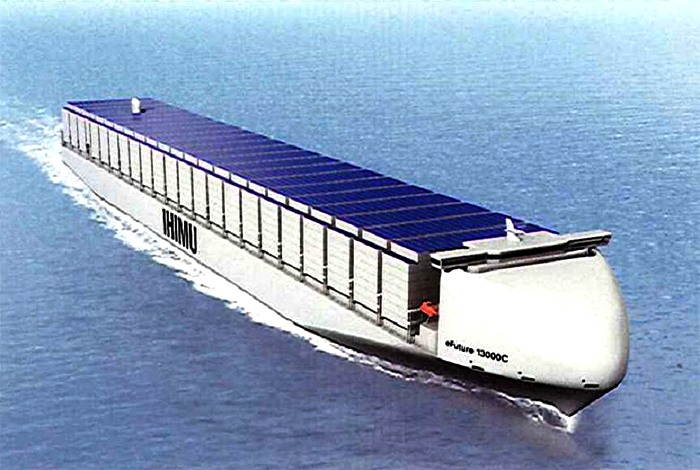
The Nichioh Maru is a Japanese cargo ship designed by Nissan to reduce its carbon footprint. With a fleet of 281 solar panels generating 50 kilowatts of electricity, this ship is equipped with everything it needs to sail the seas without harming the environment.
The Nichioh Maru’s design is innovative and efficient. Its onboard power system harnesses energy generated by its solar panels, reducing fuel consumption and emissions. The solar panels are strategically placed on the roof of the cargo hold, providing maximum exposure to sunlight. This allows the ship to generate electricity during the day, which is then stored in batteries for use at night or during periods of low sunlight.
The Nichioh Maru’s advanced design combines traditional diesel engines with an onboard power system that harnesses energy generated by its solar panels. This synergistic approach allows the ship to optimize fuel consumption and reduce emissions, making it a more sustainable option for cargo transportation.
How It Works: A Synergistic Approach
The Nichioh Maru’s innovative design uses a combination of traditional diesel engines and onboard power systems to generate electricity from its solar panels. The ship’s onboard power system is designed to optimize fuel consumption and reduce emissions.
Here’s how it works:
- Solar Power Generation: The 281 solar panels on the roof of the cargo hold generate electricity during the day.
- Battery Storage: The generated electricity is stored in batteries for use at night or during periods of low sunlight.
- Diesel Engine Power: When needed, the ship’s diesel engines provide power to meet energy demands.
- Optimized Fuel Consumption: The onboard power system optimizes fuel consumption by using the most efficient engine settings and reducing idling time.
The Nichioh Maru’s synergistic approach allows it to reduce emissions while still providing enough power for cargo transportation. This innovative design is a critical step towards reducing carbon emissions from the shipping industry.
Reducing Carbon Emissions: A Critical Goal
The Nichioh Maru is not just a symbol of innovation; it’s also a crucial step towards reducing carbon emissions from the shipping industry. With its advanced design and efficient energy system, this ship has the potential to make a significant impact on the environment.
According to Nissan, the Nichioh Maru can reduce carbon emissions by up to 80% compared to traditional diesel-powered cargo ships. This is a significant reduction, especially when you consider that the shipping industry is responsible for around 3% of global carbon emissions.
A New Era for Sustainable Transportation
As the automotive industry continues to evolve, companies like Nissan are leading the charge towards sustainable transportation. The Nichioh Maru is just one example of how innovative designs can make a real difference in reducing our carbon footprint.
The Nichioh Maru’s design is not just a step forward for sustainable transportation; it’s also an opportunity for Nissan to raise awareness about the importance of sustainability. By showcasing this eco-friendly cargo ship, they aim to educate consumers about the benefits of sustainable transportation and encourage them to make more environmentally friendly choices.
Cost and Practicality: A Concerning Factor?
While the Nichioh Maru’s advanced design and solar panels come at a significant cost, Nissan sees it as an opportunity to raise awareness about sustainability. The company believes that by highlighting its commitment to sustainability, it can expand its market share in the eco-friendly segment.
However, there are concerns about the practicality of this design. Will it be cost-effective for Nissan to produce and operate the Nichioh Maru? Can it compete with traditional diesel-powered cargo ships?
These questions are valid, but they also highlight the need for innovative solutions to reduce carbon emissions from the shipping industry. The Nichioh Maru is a step forward towards sustainable transportation, even if it comes at a higher cost.
A Strategic Move: Increasing Electric Vehicle Sales
Nissan’s goal is not just to reduce emissions but also to increase sales of electric vehicles. The company believes that by highlighting its commitment to sustainability, it can expand its market share in the eco-friendly segment.
By showcasing the Nichioh Maru, Nissan aims to educate consumers about the benefits of sustainable transportation and encourage them to make more environmentally friendly choices. This strategic move is a critical step towards increasing electric vehicle sales and reducing carbon emissions from the automotive industry.
Conclusion
The Nichioh Maru is a groundbreaking example of innovation in sustainable transportation. As the automotive industry continues to evolve, companies like Nissan will play a crucial role in shaping the future of transportation. With its advanced design and synergistic approach, this solar-powered cargo ship has the potential to make a significant impact on reducing carbon emissions.
The Nichioh Maru is not just a symbol of innovation; it’s also a critical step towards sustainable transportation. Its advanced design combines traditional diesel engines with an onboard power system that harnesses energy generated by its solar panels, making it a more sustainable option for cargo transportation.
As we look to the future, it’s clear that innovative solutions like the Nichioh Maru are needed to reduce carbon emissions from the shipping industry. By showcasing this eco-friendly cargo ship, Nissan aims to educate consumers about the benefits of sustainable transportation and encourage them to make more environmentally friendly choices.
Frequently Asked Questions
- What is the Nichioh Maru?
The Nichioh Maru is a Japanese solar-powered cargo ship designed by Nissan. - How does it work?
The Nichioh Maru uses its onboard power system to harness energy generated by its 281 solar panels, reducing fuel consumption and emissions. - What is the impact of traditional cargo ships on the environment?
Traditional cargo ships contribute significantly to greenhouse gas emissions, with millions of tons of CO2 being released into the atmosphere every year. - Is the Nichioh Maru a cost-effective solution?
While the Nichioh Maru’s advanced design and solar panels come at a significant cost, Nissan sees it as an opportunity to raise awareness about sustainability and increase electric vehicle sales. - What is Nissan’s strategy for increasing electric vehicle sales?
Nissan aims to expand its market share in the eco-friendly segment by highlighting its commitment to sustainability and showcasing innovative designs like the Nichioh Maru. - How does the Nichioh Maru reduce carbon emissions?
The Nichioh Maru reduces carbon emissions by optimizing fuel consumption and using an onboard power system that harnesses energy generated by its solar panels. - What is the potential impact of the Nichioh Maru on the shipping industry?
The Nichioh Maru has the potential to make a significant impact on reducing carbon emissions from the shipping industry with its advanced design and efficient energy system. - Will the Nichioh Maru be used for commercial purposes?
Yes, the Nichioh Maru is designed to transport cars and other cargo across Japan’s coastlines, showcasing its practicality and efficiency in real-world scenarios.
Future Developments
The Nichioh Maru is just one example of how innovative designs can make a real difference in reducing our carbon footprint. As the automotive industry continues to evolve, we can expect to see more sustainable transportation solutions emerge.
Some future developments that we can expect include:
- Increased adoption of solar power: As solar panels become more efficient and affordable, we can expect to see more ships adopt this technology.
- Development of new energy storage systems: Advances in battery technology will allow for more efficient energy storage and reduced emissions from ships.
- Improved fuel efficiency: Manufacturers are working on developing more fuel-efficient engines and propulsion systems that can reduce emissions and increase performance.
These developments are crucial steps towards reducing carbon emissions from the shipping industry. As we look to the future, it’s clear that innovative solutions like the Nichioh Maru will play a critical role in shaping the future of transportation.
Conclusion
The Nichioh Maru is a groundbreaking example of innovation in sustainable transportation. Its advanced design combines traditional diesel engines with an onboard power system that harnesses energy generated by its solar panels, making it a more sustainable option for cargo transportation.
As we look to the future, it’s clear that innovative solutions like the Nichioh Maru will play a critical role in shaping the future of transportation. With its potential to reduce carbon emissions and increase electric vehicle sales, this solar-powered cargo ship is a crucial step towards a more sustainable transportation sector.



