
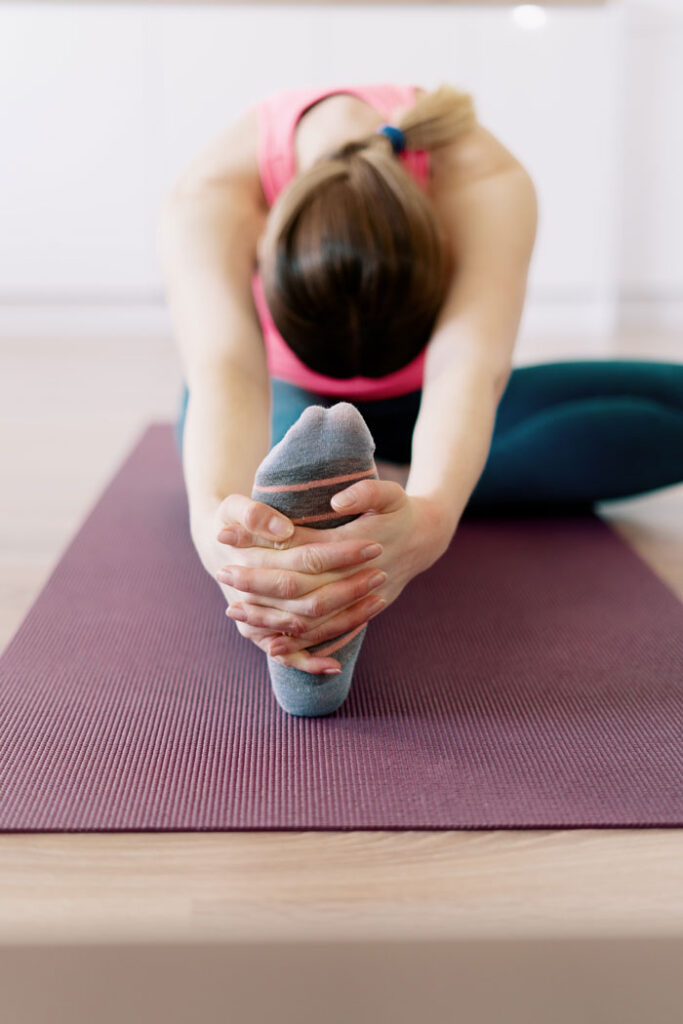
As we go about our daily lives, it’s easy to neglect one aspect of our overall health and wellbeing: our posture. Poor posture can lead to a range of problems, from back pain and neck strain to shoulder tension and stress. But the good news is that there are simple exercises you can do at home to improve your posture and alleviate these issues.
What is Postural Exercises?
Postural exercises, also known as proprioceptive exercises, are designed to strengthen the muscles that support our spine and improve our overall posture. These exercises can be done at home, without any special equipment or training, and can make a big difference in how we feel and move.
Why is Good Posture Important?
Good posture is essential for maintaining good health and preventing a range of problems. When we slouch or hunch over, our muscles become imbalanced, leading to strain on our back, neck, and shoulders. This can lead to pain, discomfort, and even long-term damage.
Common Problems Caused by Poor Posture
Poor posture can cause a range of problems, including:
- Back pain: Strain on the muscles in the lower and upper back, leading to pain and stiffness
- Neck strain: Muscle tension in the neck and shoulders, causing headaches and discomfort
- Shoulder tension: Tightness and strain in the shoulder blades, leading to fatigue and pain
- Stress: Poor posture can lead to increased stress levels, as our body is working harder to compensate for the imbalance
- Sciatica: Compression of the sciatic nerve, leading to pain, numbness, and tingling in the legs
- Tendinitis: Inflammation of the tendons, leading to pain and stiffness in the affected areas
How Can You Improve Your Posture?
The good news is that improving your posture is easier than you think. By incorporating some simple exercises into your daily routine, you can start to see improvements in just a few weeks.
Stretching for the Neck with Mente de Lato
This exercise targets the muscles in the neck and shoulders, helping to improve our overall posture. To do this exercise:
- Sit or stand with your feet parallel to your hips
- Bring your chin towards your shoulder, keeping your head level
- Hold for 5 seconds and then release
- Repeat on the other side
This exercise can help to strengthen the muscles in the neck and shoulders, reducing strain and improving our posture.
Stretching for the Shoulders with Mente de Lato
This exercise targets the muscles in the shoulders, helping to improve our overall posture. To do this exercise:
- Stand or sit with your feet parallel to your hips
- Bring your arm across your body, keeping it straight
- Hold for 5 seconds and then release
- Repeat on the other side
This exercise can help to stretch out tight muscles in the shoulders, improving our posture and reducing strain.
Stretching for the Shoulders Against a Wall
This exercise targets the muscles in the shoulders, helping to improve our overall posture. To do this exercise:
- Stand with your back against a wall
- Reach up towards the ceiling, keeping your arm straight
- Hold for 10 seconds and then release
- Repeat on the other side
This exercise can help to stretch out tight muscles in the shoulders, improving our posture and reducing strain.
Stretching for the Adductors
This exercise targets the muscles in the hips and legs, helping to improve our overall posture. To do this exercise:
- Lie on your back with your knees bent and feet flat on the floor
- Bring one knee towards your chest, keeping your foot flexed
- Hold for 20 seconds and then release
- Repeat on the other side
This exercise can help to stretch out tight muscles in the hips and legs, improving our posture and reducing strain.
Strengthening Exercises for the Core
A strong core is essential for maintaining good posture. Here are some exercises you can do at home to strengthen your core:
- Plank: Hold a plank position for 30-60 seconds, rest for 30 seconds, and repeat for 3-5 sets
- Russian twists: Lie on your back with your knees bent and feet flat on the floor, twist your torso from side to side, holding for 10 seconds each time
- Leg raises: Lie on your back with your arms extended overhead, raise one leg towards the ceiling, hold for 5 seconds, and then lower it back down. Repeat on the other side.
Tips for Improving Your Posture
Here are some tips to help you improve your posture:
- Make sure to sit or stand with good posture, keeping your shoulders back and head level
- Take regular breaks to stretch and move around
- Avoid slouching or hunching over, as this can lead to strain on the muscles
- Use a supportive pillow or cushion to maintain good posture while sleeping
- Practice good posture throughout the day, especially when sitting at work or watching TV
How Often Should You Do Postural Exercises?
It’s recommended to do postural exercises at least once a day, ideally in the morning and evening when you are most aware of your posture. Start with short sessions (10-15 minutes) and gradually increase the duration as you become more comfortable with the exercises.
Can Anyone Benefit from Postural Exercises?
Yes, anyone can benefit from postural exercises, regardless of age or fitness level. However, it’s recommended to consult with a healthcare professional before starting any new exercise program.
What if I Have a Pre-existing Medical Condition?
If you have a pre-existing medical condition, it’s recommended to consult with your doctor or physical therapist before starting a postural exercise program. They can help you determine the best exercises for your specific needs and abilities.
Can Postural Exercises Help with Stress and Anxiety?
Yes, postural exercises can help to reduce stress and anxiety by improving posture, reducing muscle tension, and promoting relaxation.
How Long Will it Take to See Results from Postural Exercises?
It’s normal for it to take some time to see noticeable improvements in posture. Aim to do the exercises regularly for at least 4-6 weeks before expecting significant changes. Be patient and consistent, as improving your posture takes time and effort.
Common Mistakes to Avoid When Doing Postural Exercises
Here are some common mistakes to avoid when doing postural exercises:
- Don’t bounce or force your way into a stretch, as this can lead to injury
- Don’t ignore pain or discomfort, as this can indicate an underlying issue that needs attention
- Don’t skip warm-up and cool-down exercises, as this can lead to muscle strain and injury
- Don’t neglect to breathe deeply and naturally while doing postural exercises
Conclusion
Improving our posture is easier than we think, and with just a few simple exercises, you can start to see improvements in just a few weeks. By incorporating these exercises into your daily routine, you can reduce strain on your back, neck, and shoulders, and improve your overall health and wellbeing.
Frequently Asked Questions
Q: What are the benefits of postural exercises?
A: Postural exercises can help to improve posture, reduce strain on the muscles, and alleviate a range of problems including back pain, neck strain, and shoulder tension.
Q: How often should I do postural exercises?
A: Aim to do postural exercises at least once a day, ideally in the morning and evening when you are most aware of your posture.
Q: Can anyone benefit from postural exercises?
A: Yes, anyone can benefit from postural exercises, regardless of age or fitness level. However, it’s recommended to consult with a healthcare professional before starting any new exercise program.
Q: What if I have a pre-existing medical condition?
A: If you have a pre-existing medical condition, it’s recommended to consult with your doctor or physical therapist before starting a postural exercise program.
Q: Can postural exercises help with stress and anxiety?
A: Yes, postural exercises can help to reduce stress and anxiety by improving posture, reducing muscle tension, and promoting relaxation.


